Translate
Overview
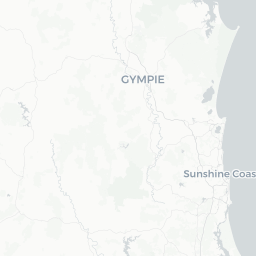
Caloundra sits at the southern tip of the Sunshine Coast, roughly 90 km north of Brisbane's CBD. It is one of Queensland's older coastal towns, retaining a quieter character compared to busier Sunshine Coast centres like Mooloolaba or Noosa. The headland location gives Caloundra an unusual variety of beach conditions within a compact area: ocean-facing surf beaches on its eastern side and the sheltered tidal flats of Pumicestone Passage on its western flank.
The town has grown substantially in recent decades, with the broader Caloundra statistical area now home to nearly 100,000 people. Despite this growth, the central area around Bulcock Street and the foreshore retains a low-rise, walkable feel. Families, retirees, and weekend visitors from Brisbane make up the bulk of visitors. Serious surfers, paddlers, and walkers also come specifically for what the geography offers.
Caloundra is part of the Sunshine Coast Council local government area and sits adjacent to the northern edge of Moreton Bay Marine Park, which directly shapes the ecology of the Pumicestone Passage and influences what activities are possible there.
Before You Go
Visas
Australia requires a valid visa or electronic travel authority for almost all international visitors. Requirements vary significantly by nationality. Check the TravelerPulse Visas section and the Australian Department of Home Affairs website for current, authoritative information before booking.
What to Pack
- Reef-safe sunscreen is strongly recommended; Queensland UV levels are high year-round
- Rashguard or sun shirt if you plan to swim or paddle for extended periods
- Insect repellent for estuary and passage-side walks, particularly at dusk
- Water shoes are useful for rocky headland access points
Health
No vaccinations are specifically required for travel within Australia, but routine vaccines should be up to date. Australia has a reciprocal healthcare agreement with several countries; verify whether yours is included. Travel insurance with medical coverage is advisable for international visitors.
Seasonal Notes
Summer (December–February) brings the highest temperatures and occasional severe thunderstorms. Surf can be powerful at the ocean beaches during this period. Winter is reliably mild and sunny, with water temperatures still comfortable for swimming by most standards. Stinger (jellyfish) season is less of a concern here than in tropical Queensland, but always check local signage.
Getting There
By Air
The closest major airport is Sunshine Coast Airport (MCY) at Marcoola, approximately 30–35 km north of central Caloundra. It handles direct domestic flights from several Australian cities. Brisbane Airport (BNE) is a larger international hub about 90 km south and is often the entry point for international visitors. Verify current airline routes and schedules directly with carriers, as these change.
By Road
Caloundra is accessible from Brisbane via the Bruce Highway (M1) north, then the Caloundra Road exit. The drive takes roughly 60–90 minutes depending on traffic, which can be heavy on Friday afternoons and public holidays. From Noosa Heads, allow approximately 50–60 minutes via the Sunshine Motorway.
By Bus
Translink operates coach services between Brisbane and Caloundra, with connections at Landsborough railway station. Journey times and frequency should be confirmed on the Translink website or journey planner before travel.
By Rail
There is no direct rail service to Caloundra itself. The nearest Queensland Rail station is Landsborough, from which local bus connections run to Caloundra. Check Translink for current timetables.
Getting Around
Caloundra's central area—the headland, Bulcock Beach, and Bulcock Street—is compact and walkable. The various beaches, however, are spread across several kilometres of headland and foreshore, so some form of transport is needed to move between them.
Local Sunshine Coast Transit buses operate within Caloundra and connect to surrounding areas. Routes and frequencies should be verified on the Translink journey planner. A Translink go card (reloadable smart card) works on these services.
Renting a car or driving your own vehicle gives the most flexibility, particularly for reaching Currimundi, Dicky Beach, or the northern beaches. Parking is generally available near the major beaches but can fill quickly on summer weekends and public holidays. Cycling is feasible along sections of the foreshore path. Bike hire options are available locally—verify current operators on arrival.
Things to See & Do
Beaches
Caloundra's beaches each have a distinct character. Kings Beach is the most central and is patrolled by surf lifesavers during designated hours. Bulcock Beach faces the Pumicestone Passage and is calmer, popular with families and stand-up paddleboarders. Shelly Beach and Moffat Beach are favoured by surfers and tend to be less crowded. Golden Beach stretches along the passage side and is very sheltered. Always swim between the flags at patrolled beaches.
Pumicestone Passage and Bribie Island
The passage between Caloundra and Bribie Island is a significant estuarine waterway within Moreton Bay Marine Park. Kayaking and stand-up paddleboarding are popular here. The passage is a noted spot for observing migratory shorebirds and marine life including dolphins and dugongs. Several local operators offer guided tours and equipment hire—verify current operators and availability locally.
Caloundra Coastal Pathway
A shared pedestrian and cycling path runs along much of the Caloundra foreshore, connecting several beaches and offering good views of the headland and passage. It is accessible and suitable for most fitness levels.
Caloundra Surf School and Water Sports
Learning to surf is a popular activity, and surf schools operate at the patrolled beaches. Verify current operators and lesson availability on arrival or through the Sunshine Coast Council's visitor information resources.
Queensland Air Museum
Caloundra is home to the Queensland Air Museum, located near Caloundra Airport. It holds a collection of historical aircraft. Opening hours, admission fees, and current exhibition details should be verified directly with the museum before visiting.
Sunshine Coast Hinterland Day Trips
The Glass House Mountains are visible from parts of Caloundra and are roughly 20–30 km inland. The national park surrounding them offers walking tracks and distinctive volcanic plug scenery. Maleny and Montville, both in the hinterland, are accessible for day trips.
Food & Drink
Bulcock Street is the main commercial spine and has a concentration of cafes, restaurants, and takeaway options. The foreshore near Kings Beach also has several dining choices with ocean views. The dining scene is casual and reflects the coastal Queensland style: seafood, relaxed cafe breakfasts, and unpretentious bistro meals are well represented.
Fresh seafood is a highlight—look for locally caught prawns, reef fish, and Moreton Bay bugs (a type of flathead lobster regional to the area). Fish and chip shops near the beach are a long-standing local tradition worth engaging with.
Caloundra does not have a notable cocktail bar or fine dining scene to the extent that Noosa does, but quality coffee culture is well established, and several cafes are worth seeking out. For anything more upscale, most visitors head north along the coast toward Mooloolaba or Alexandra Headland. Specific venue recommendations should be verified locally, as the hospitality industry changes frequently.
Practical Information
Emergency Services
In any emergency in Australia, call 000 for police, fire, or ambulance. For non-emergency police matters, call 131 444.
Medical
Caloundra has medical centres and pharmacy facilities. Sunshine Coast University Hospital at Birtinya (a short drive north) is the major regional public hospital. Verify its location and services before travel.
Money
ATMs are available in the Bulcock Street area and near major shopping centres. Card payment is widely accepted. Tipping is not customary in Australia but is appreciated for good service.
Connectivity
Mobile coverage from the major Australian carriers (Telstra, Optus, Vodafone) is generally good in central Caloundra. International visitors should check roaming arrangements or purchase a local SIM. Free public Wi-Fi is available in some areas—verify current availability locally.
Visitor Information
Sunshine Coast Council and Tourism Noosa (for the broader region) maintain visitor information resources. A physical visitor information centre may be available locally—confirm its location and hours on arrival.
Safety
Caloundra is generally a low-risk destination. Standard precautions apply: secure your belongings at the beach, do not leave valuables visible in parked vehicles, and be aware of your surroundings after dark.
Ocean swimming carries the most meaningful safety risk. Rips and currents are present at the surf beaches, and conditions can change. Always swim between the red and yellow flags at patrolled beaches during patrol hours. If you are caught in a rip, float calmly and signal for help rather than swimming against it. Check current surf conditions through Surf Life Saving Australia's BeachSafe app or website before entering the water.
Sun safety is important year-round. The UV index regularly reaches extreme levels in Queensland. Apply SPF 50+ sunscreen, reapply after swimming, wear a hat and protective clothing, and seek shade during the middle of the day.