Overview
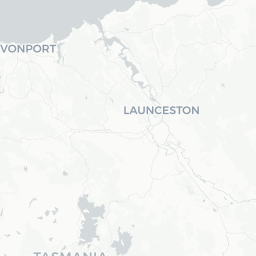
Launceston is Tasmania's second-largest city, situated at the confluence of the North Esk and South Esk rivers where they form the Tamar River. With a population of around 90,000, it functions as the commercial and service hub for northern Tasmania while retaining a distinctly unhurried character.
The city is widely regarded as one of Australia's best-preserved examples of early colonial architecture. Streets in the central precinct are lined with sandstone and brick buildings dating from the 19th century, and the broader urban fabric feels more intimate than many mainland Australian cities of comparable size.
Launceston is also a genuine food and drink destination. The surrounding Tamar Valley is one of Australia's southernmost and coolest wine-growing regions, producing respected pinot noir, chardonnay, and riesling. The city's restaurant scene punches above its weight, drawing on exceptional Tasmanian produce including seafood, dairy, and cool-climate vegetables.
For visitors, Launceston works well both as a destination in its own right and as a practical base for day trips into the Tasmanian wilderness, along the wine trail, and across to the east and west coasts.
Before You Go
Visas
Australia requires most international visitors to hold a visa or Electronic Travel Authority (ETA) before arrival. Requirements vary significantly by nationality. Check the TravelerPulse Visas section and the Australian Department of Home Affairs website for current, authoritative guidance.
Health
No unusual vaccinations are required for travel to mainland Australia or Tasmania beyond standard recommendations. Tasmania's outdoor environments present typical bushwalking risks — always carry water, sun protection, and appropriate layers regardless of season, as conditions can change rapidly. Verify any health requirements with your own physician before travel.
What to Pack
Launceston's weather is famously variable. Even in summer, temperatures can drop sharply in the evenings and during rain events. Layering is essential year-round. Waterproof outer layers, sturdy footwear for walking trails, and a light fleece are advisable in all seasons. In winter (June–August), temperatures regularly fall to near freezing and snow occasionally dusts higher elevations nearby.
Getting There
By Air
Launceston Airport (LST) receives direct flights from several Australian mainland cities including Melbourne, Sydney, and Brisbane. Flight times from Melbourne are approximately one hour. Confirm current routes and schedules directly with airlines or through a booking platform, as services can change seasonally.
By Sea and Road via Hobart
Many visitors arrive in Tasmania via the Spirit of Tasmania ferry service, which operates between Melbourne (Port Melbourne) and Devonport on Tasmania's north coast. Devonport is roughly 100 km west of Launceston by road — about an hour's drive. Check the Spirit of Tasmania website for current schedules and booking. Hobart, Tasmania's capital, is approximately 200 km south of Launceston via the Midland Highway, a drive of around two hours in good conditions.
Getting from the Airport
Launceston Airport is located at Evandale Road, Western Junction, approximately 15 km south of the city centre. Taxi and ride-share services operate from the terminal. Car rental companies have desks at or near the airport — booking in advance is recommended during peak periods. Verify current shuttle or bus options locally, as these services can change.
Getting Around
On Foot
The central city is compact and walkable. Most of the main attractions, restaurants, and shops are within comfortable walking distance of each other. Cataract Gorge, one of the city's defining features, is reachable on foot from the CBD in around 15–20 minutes.
By Car
A car is strongly recommended if you plan to explore the Tamar Valley wineries, Freycinet, the Overland Track area, or other regional highlights. Roads in and around Launceston are generally well-maintained. Note that some rural roads can become hazardous in wet weather or after snow — check conditions before heading into the hills in winter.
Public Transport
Metro Tasmania operates bus services within Launceston and to some surrounding areas. Services are limited compared to major mainland cities, so relying solely on public transport for regional exploration is not practical. Verify current routes and timetables at the Metro Tasmania website.
Taxis and Ride-Share
Taxi services and major ride-share platforms operate in Launceston. Availability may be more limited late at night or in quieter suburbs compared to mainland capitals.
Where to Stay
Launceston's accommodation ranges from heritage hotels and boutique B&Bs in historic buildings to modern serviced apartments and budget-friendly hostels. The central city and the Seaport waterfront precinct offer the most convenient bases for visitors without a car. Properties in the surrounding countryside and Tamar Valley suit travellers who have their own transport and want a more rural experience.
Demand can be high during major events, summer holidays (December–January), and the Easter long weekend. Booking well in advance is advisable for these periods. Verify current listings and rates through accommodation platforms or the visitor centre, as availability and pricing shift regularly.
For extended regional exploration, self-contained apartments or cottages — available throughout the Tamar Valley and nearby rural areas — offer good value and proximity to wineries and farms.
Things to See & Do
Cataract Gorge Reserve
Less than two kilometres from the city centre, Cataract Gorge is Launceston's most iconic attraction. A dramatic rocky chasm carved by the South Esk River, it contains walking tracks on both its north and south sides, formal gardens, a swimming pool (open seasonally — verify locally), and a chairlift spanning the First Basin. Entry to the reserve itself is free; check the Launceston City Council website for current chairlift fees and seasonal hours.
Tamar Valley Wine Region
The Tamar Valley stretches north from Launceston to the river mouth near George Town. It hosts numerous small wineries, many of which are open to visitors for tastings and cellar-door purchases. Cool-climate varieties — particularly pinot noir, chardonnay, and riesling — are the region's strengths. Confirm individual winery opening hours before visiting, as many operate on reduced or seasonal schedules.
Queen Victoria Museum and Art Gallery (QVMAG)
Launceston's major museum and gallery operates across two sites: the Inveresk Precinct (former railway yards) and the Royal Park site in the city centre. The collection spans Tasmanian natural history, colonial and contemporary art, and social history. Admission policies and hours should be confirmed directly with QVMAG.
City Park and Macquarie House
City Park is a well-maintained 19th-century public park in the heart of Launceston, featuring a Japanese macaque monkey enclosure donated by the city's sister city, Ikeda, Japan. The adjacent Macquarie House is one of the city's notable heritage buildings.
Walking and Cycling
Beyond Cataract Gorge, the broader region offers extensive options. The Hollybank Wilderness Adventures site north of the city offers treetop walks and zip-line experiences (verify availability and booking requirements locally). The Tasmanian Trail and various day-walk options are accessible within an hour's drive.
Food & Drink
Launceston has developed a reputation as one of Australia's more interesting regional food cities, a status built on the quality of Tasmanian produce rather than large-city scale. Seafood — particularly oysters, abalone, and Atlantic salmon — features prominently, alongside King Island dairy products, organic meats, and cool-climate vegetables.
Where to Eat
The city centre and the Inveresk/Seaport precinct along the Tamar waterfront have the highest concentration of restaurants, cafés, and wine bars. The CBD's main streets also host a range of informal options including bakeries and casual lunch spots. The local restaurant scene skews toward produce-focused, unfussy cooking rather than formal fine dining, though several venues do offer degustation-style menus. Specific restaurant recommendations should be verified locally or through current review platforms, as the hospitality scene in smaller cities changes frequently.
Drinking
Beyond the wine region, Tasmania has a lively craft brewing and whisky distilling scene. Several distilleries with Tasmanian connections distribute widely through local bottle shops and bars. The Tasmanian whisky industry in particular has attracted international attention — some producers offer cellar-door experiences, though these should be booked in advance and verified for current availability.
Markets
The Harvest Market, held periodically in the Inveresk Precinct, is a well-regarded producers' market. Check current dates and hours, as market schedules can vary seasonally.
Practical Information
Emergency Services
In Australia, dial 000 for police, fire, or ambulance in an emergency. The Launceston General Hospital is the main public hospital serving northern Tasmania.
Money
ATMs are widely available throughout the city centre. Credit and debit card payments are accepted at virtually all businesses. Some smaller rural producers and markets may prefer cash — it is worth having some on hand.
Connectivity
Mobile coverage from major Australian carriers (Telstra, Optus, Vodafone) is generally reliable within Launceston and along main regional highways. Coverage can drop significantly in remote areas, national parks, and some mountain terrain. Telstra typically offers the broadest rural coverage in Tasmania.
Visitor Information
The Launceston Visitor Information Centre (operated by Launceston City Council) is located in the city centre and can assist with maps, accommodation referrals, and event information. The official Tourism Tasmania website is also a useful planning resource.
Opening Hours
Many businesses in Launceston operate on traditional hours and may not keep extended evening or Sunday trading hours common in larger cities. Plan shopping and service needs accordingly, particularly on Sundays and public holidays.
Safety
Launceston is generally a safe city for travellers. Petty crime — opportunistic theft from vehicles and inattentive tourists — occurs as in any urban environment; standard precautions apply.
The main safety considerations in the region relate to the natural environment. Tasmania's wilderness can be dangerous for the unprepared. Weather at altitude changes rapidly, and trails can be remote. Always register your intentions if undertaking overnight or remote walks, carry adequate supplies, and do not underestimate conditions in winter.
Bushfire risk exists in the warmer months across rural Tasmania. Monitor warnings through the Tasmanian Fire Service and the Fires Near Me Tasmania app during the fire season (roughly November–March). Follow all official advice regarding road closures and evacuations.