Translate
Overview
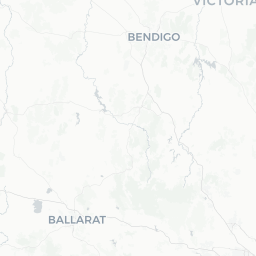
Bendigo is a regional city of around 100,000 people in central Victoria, roughly 150 km north-west of Melbourne. It rose to prominence during the Victorian gold rush of the 1850s, and the wealth generated during that era is still visible across the city in its grand civic buildings, ornate streetscapes, and well-funded cultural institutions.
Far from being a museum piece, Bendigo is a functioning, lively regional centre with a strong arts scene, a respected university campus (La Trobe University), excellent restaurants, and a nationally significant art gallery. It draws visitors who want a taste of regional Victoria without the crowds of the Grampians or the Great Ocean Road.
The city also has a meaningful Chinese-Australian history — Chinese miners arrived in large numbers during the gold rush, and that community's story is told with care at the Golden Dragon Museum. Bendigo's Confucian joss house, Ieu Kwong Miau (also known as the Bendigo Joss House Temple), is one of the oldest surviving Chinese temples in Australia and is listed on the Victorian Heritage Register.
Before You Go
Visas
Australia requires most international visitors to hold a valid visa or travel authority before arrival. Entry rules vary significantly by passport. For current requirements, check TravelerPulse's Visas section and the Australian Department of Home Affairs website.
Climate
Bendigo has a semi-arid continental climate. Summers (December–February) are hot and can exceed 40 °C; carry sun protection and stay hydrated. Winters (June–August) are cool and sometimes frosty at night, though rarely severe. Spring and autumn bring moderate temperatures and are generally the most comfortable seasons to visit.
What to pack
- Sun hat, SPF50+ sunscreen, and sunglasses year-round
- A light layer for cool evenings even in summer
- Comfortable walking shoes — the historic city centre rewards exploration on foot
- Insect repellent if you plan to visit parks or the goldfields reserves outside town
Getting There
By Train
V/Line operates regular train services between Melbourne's Southern Cross Station and Bendigo. Journey time is approximately 1.5–2 hours depending on the service. Bendigo Station is centrally located and within walking distance of most attractions. Verify current timetables and fares at vline.com.au.
By Car
Bendigo is accessed via the Calder Freeway (A79) from Melbourne, a straightforward drive of roughly 1.5 hours under normal traffic conditions. Parking in the city centre is generally available, with both metered on-street spaces and off-street car parks. Check local signage for current time limits.
By Coach
Coach services also connect Bendigo with Melbourne and some regional centres. Verify current operators and schedules locally or through the V/Line network, as some routes use coach-rail interchanges.
Nearest Airport
Bendigo Airport handles limited charter and some regional air services; it does not operate regular scheduled passenger flights at the scale of a major hub. Most visitors fly into Melbourne Airport (Tullamarine) and travel onward by train or car.
Getting Around
Bendigo operates a local bus network (Bendigo Transit) covering the city and many suburbs. Route maps and timetables are available at Public Transport Victoria (ptv.vic.gov.au). Myki cards — the same contactless smart card used on Melbourne's public transport — are valid on Bendigo buses, and can be topped up at the station and some retail outlets.
The historic Bendigo Talking Tram is a tourist tram service that runs a commentary loop connecting key attractions including the Central Deborah Gold Mine, the Joss House, and the Tramways Museum. It is a practical and enjoyable way to cover significant ground. Verify current operating days and fares on the official site before visiting, as schedules can vary seasonally.
The central city precinct — including the art gallery, Pall Mall, and the central market — is compact and very walkable. Rideshare apps (Uber and others) operate in Bendigo. Taxis are available but fewer in number than in a major city; verify availability locally.
Where to Stay
Bendigo offers accommodation across a broad spectrum — from large hotel-style properties near the city centre through to boutique B&Bs and self-contained cottages in the surrounding countryside. Several historic buildings have been converted into accommodation, reflecting the city's Victorian architectural heritage.
For most travellers, staying within or immediately adjacent to the city centre is the most practical choice, as it puts the main attractions, restaurants, and the train station within easy walking distance. If you are primarily visiting for the wine region, accommodation in or near Heathcote may be worth considering.
During major events — particularly the Bendigo Easter Festival (which includes the famous Easter Fair procession) and major touring exhibitions at the art gallery — demand spikes and rooms book out well in advance. Search and book early if your travel coincides with these periods. Verify current properties and availability via standard booking platforms.
Things to See & Do
Bendigo Art Gallery
One of Australia's oldest and most significant regional galleries, with a collection spanning Australian and international works from the 19th century to the present. The gallery is particularly well regarded for its major touring exhibitions, which have attracted substantial national attention. Admission fees and hours — verify on bendigoartgallery.com.au.
Central Deborah Gold Mine
A genuine underground gold mine offering guided tours into the historic shaft. Visitors descend underground and learn about the realities of gold mining in the 1850s through to the mine's closure in 1954. The experience is hands-on and well suited to a range of ages. Verify tour availability, pricing, and booking requirements directly with the attraction.
Golden Dragon Museum
Dedicated to the Chinese-Australian story in Bendigo, this museum houses significant artefacts including the imperial dragons Sun Loong and Loong — the latter considered one of the longest imperial dragons in the world. The museum contextualises the Chinese community's contribution to Bendigo with seriousness and depth.
Sacred Heart Cathedral
A Gothic Revival cathedral begun in 1896, with construction continuing well into the 20th century. It is one of the most architecturally ambitious Catholic cathedrals in Australia and is worth visiting both inside and out.
Rosalind Park and the Cascades
A large, well-maintained public park in the heart of the city, featuring a fernery, a historic fountain (the Cascades), and extensive lawns. A good spot to decompress between attractions.
Goldfields Region Wineries
The area surrounding Bendigo — including the Heathcote wine region to the south-east — produces Shiraz that is respected nationally and internationally. A number of cellar doors operate within driving distance. Verify which are open and whether bookings are required before visiting.
Food & Drink
Bendigo's food scene has matured considerably over the past decade and now offers a range of dining options beyond what one would expect of a regional city of its size. The city centre around View Street and the precinct near the art gallery have clusters of cafés, wine bars, and restaurants drawing on local and regional produce.
The Bendigo Community Farmers' Market and the Bendigo Marketplace are good starting points for locally sourced produce. Saturday and weekend mornings tend to have the strongest market activity — verify current market dates locally.
Regional Victorian wine, particularly Shiraz from the Heathcote and Bendigo wine regions, is well represented across the better restaurants and bottle shops. If you are interested in local wine, ask staff at a specialist bottle shop for guidance on current producers, as the landscape of small wineries changes.
Bendigo has a range of café options suited to most dietary requirements, and plant-based dining has grown. That said, options thin out quickly once you leave the city centre, so plan meals accordingly if you are exploring the outer suburbs or goldfields reserves.
Practical Information
Emergency Services
In any emergency in Australia, call 000 for police, fire, or ambulance.
Health
Bendigo Health is the regional hospital. For non-emergency medical needs, there are GP clinics and pharmacies in the city centre — verify locations and opening hours locally.
Money
ATMs are widely available in the city centre. Card payments (including contactless) are accepted almost universally at retailers, restaurants, and accommodation. Carrying some cash remains useful for smaller markets and some regional cellar doors.
Connectivity
Mobile coverage from major Australian carriers (Telstra, Optus, Vodafone) is reliable throughout the city. Free public Wi-Fi is available at the Bendigo Library and some civic spaces — verify availability locally.
Accessibility
Bendigo's flat central precinct and well-maintained footpaths make it relatively accessible. The Bendigo Art Gallery and major attractions have accessibility provisions. Contact individual venues to confirm specific requirements before visiting.
Safety
Bendigo is a safe regional city by any reasonable standard. Normal urban precautions apply: be aware of your surroundings, secure valuables in your accommodation, and avoid poorly lit areas late at night.
Summer bushfire risk in inland Victoria is real and should not be dismissed. During declared fire danger periods, check the Victorian Emergency website (emergency.vic.gov.au) and the Country Fire Authority (CFA) for alerts before travelling on rural roads or visiting reserves outside the city. Download the VicEmergency app for real-time alerts if you are in the region during summer.
Local Culture & Etiquette
Bendigo sits on the traditional Country of the Dja Dja Wurrung people. Visitors are encouraged to take time to acknowledge this connection and to seek out opportunities to learn about Dja Dja Wurrung culture and history, including through the Djaara (Dja Dja Wurrung Clans Aboriginal Corporation), which manages country and cultural programs in the region.
The Easter Festival and Easter Fair are Bendigo's largest annual events, drawing visitors from across Australia for the long weekend. The procession features the imperial dragon Loong and has historical roots going back to the 1870s. If attending, book accommodation months in advance.
Bendigo's cultural identity is shaped by its gold rush past, and it carries that heritage without excessive romanticisation — the city's institutions engage with both the prosperity and the hardship that characterised the era, including the discrimination faced by Chinese miners under colonial law.