Overview
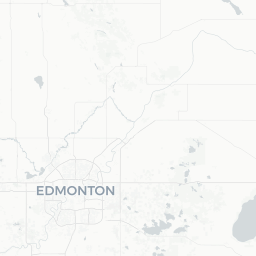
Edmonton is Alberta's capital city and sits on the banks of the North Saskatchewan River at roughly 53°N latitude, making it one of the northernmost major cities in North America. With a population just over one million in the city proper, it functions as the province's administrative, cultural, and service hub, particularly for industries tied to northern Alberta's oil sands and agricultural regions.
The city has a well-earned nickname — Festival City — earned through a dense calendar of public events that runs from spring through fall and continues in a quieter way through winter. Fringe theatre, folk music, jazz, street performance, and heritage celebrations all draw visitors and locals alike.
Edmonton's river valley is one of its most underappreciated assets: a continuous urban parkland stretching more than 160 km of maintained trails, which is frequently cited as one of the largest urban park systems in North America. This green corridor cuts through the city and is genuinely accessible by foot or bicycle from most central neighbourhoods.
Before You Go
Visas and Entry
Entry requirements for Canada depend on your nationality, travel document, and how you arrive. For accurate, current information, visit TravelerPulse's Visas section and the official Immigration, Refugees and Citizenship Canada (IRCC) website. Do not rely on third-party summaries for visa decisions.
Climate
Edmonton has a semi-arid continental climate with four distinct seasons. Summers (June–August) are warm and long-daylight, with temperatures regularly reaching the mid-20s Celsius and occasional stretches into the low 30s. Winters are cold and can be severe: temperatures below −20 °C are common from December through February, and wind chill can push feels-like temperatures significantly lower. Spring and fall are short and variable — snow can fall in both May and September. Pack layers regardless of the season you visit.
What to Pack
- Summer: Light clothing, sunscreen, a light jacket for evenings, insect repellent for river valley trails
- Winter: Thermal base layers, a heavyweight insulated coat, waterproof boots rated for cold temperatures, hat and gloves rated for −25 °C or lower
- Year-round: Comfortable walking shoes; the city is more walkable in its core than many Canadian cities of similar size
Health
No vaccinations are specifically required for travel to Edmonton. Canada has a public healthcare system, but it does not cover visitors — travel health insurance is strongly recommended. Verify coverage specifics with your insurer before departing.
Getting There
By Air
Edmonton International Airport (IATA: YEG) is the main commercial airport serving the city. It is located south of the city centre and handles domestic connections across Canada as well as a range of international and transborder routes. Check current airline schedules and fares directly with carriers or through a booking platform, as routes and frequencies change.
Ground Transfer from YEG
Several options connect the airport to the city. Shared shuttle services, ride-hail apps, and taxis operate from the terminal. A dedicated transit connection also links YEG to the city's light rail network — verify current routes and schedules with Edmonton Transit Service (ETS) before travel, as service details can change.
By Road
Edmonton sits along major highway corridors. Highway 2 (also marketed as the QEII Highway) connects Edmonton to Calgary roughly 300 km to the south, and is one of the busiest intercity routes in the province. Coach bus services operate between Edmonton and Calgary and other Alberta centres — check operators such as Red Arrow or Rider Express for current schedules and fares.
By Rail
VIA Rail does not currently serve Edmonton on its main transcontinental corridor. The nearest major VIA station on the Canadian route is in Jasper, roughly 370 km west. Verify the current state of passenger rail options at viarail.ca.
Getting Around
Light Rail Transit (LRT)
Edmonton operates an LRT system with multiple lines crossing the city. The network is useful for reaching the downtown core, the university area, and several major shopping destinations. Fares and schedules are managed by Edmonton Transit Service — check the ETS website or app for current route maps, fares, and hours.
Bus Network
A comprehensive bus network supplements the LRT and reaches neighbourhoods the rail lines do not. The same fare payment works across LRT and bus. Transit passes and single-ride options are available; verify current fare structures on the ETS website.
Driving and Parking
Edmonton is a car-oriented city and many visitors rent a vehicle, particularly if they plan to explore areas outside the city or day-trip to Jasper National Park. Parkades and surface lots are available downtown, though costs and availability vary. Street parking rules differ by neighbourhood — check posted signs carefully.
Cycling
The river valley trail system is excellent for cycling. The city also has a growing network of on-street bike lanes, and a bike-share program has operated in Edmonton — verify current availability and pricing locally, as programs can change seasonally.
Ride-Hail and Taxis
Major ride-hail apps operate in Edmonton. Licensed taxis are also available. Both options are useful for late-night travel when transit frequency decreases.
Things to See & Do
West Edmonton Mall
West Edmonton Mall is one of the largest shopping and entertainment complexes in North America. Beyond retail, it houses an indoor water park, an ice rink, a mini-golf course, an amusement park, an aquarium, a hotel, and a range of dining options — all under one roof. It is a genuinely unusual attraction regardless of one's interest in shopping, and worth at least a few hours. Verify current hours and admission costs for individual attractions on the mall's official website, as these change.
River Valley Parks
The North Saskatchewan River valley park system is free to access and spans the length of the city. Hiking and cycling trails, picnic areas, off-leash dog areas, and seasonal programming make this a year-round destination. Rundle Park, Hawrelak Park, and Emily Murphy Park are among the most visited sections. In winter, portions of the trail system are groomed for cross-country skiing.
Festivals
- Edmonton International Fringe Festival (August): One of the largest fringe theatre festivals in North America, centred on the Old Strathcona neighbourhood
- Edmonton Folk Music Festival (August): A long-running outdoor festival at Gallagher Park
- K-Days (July): A large summer fair and midway at Northlands
- Winterfest / Ice on Whyte (January–February): Winter celebrations including ice carving competitions
Verify dates and details for any festival on its official website, as scheduling can shift year to year.
Museums and Galleries
- Royal Alberta Museum: One of the largest museums in western Canada, covering natural history and human history of Alberta
- Art Gallery of Alberta: A striking building in the downtown Arts District housing both permanent collections and rotating exhibitions
- Fort Edmonton Park: A large living history museum representing different eras of Edmonton's past, set along the river valley
- Telus World of Science Edmonton: Science and technology museum with an IMAX dome, popular with families
Verify current admission fees and hours directly with each institution.
Old Strathcona
The Old Strathcona neighbourhood, on the south side of the High Level Bridge, is a walkable area of heritage commercial buildings housing independent restaurants, cafes, vintage shops, bookstores, and live music venues. Whyte Avenue is the main commercial strip. This neighbourhood is also the hub for the Fringe Festival each August.
Food & Drink
Edmonton's dining scene has matured considerably and now reflects the city's multicultural population. South Asian, East Asian, Middle Eastern, Ukrainian, and West African cuisines all have authentic representation across different parts of the city, not just in the downtown core.
Neighbourhoods to Explore
- Old Strathcona / Whyte Avenue: Independent restaurants, pubs, brunch spots, and coffee shops in a walkable heritage setting
- Chinatown / Little Italy / Little Vietnam (95th Avenue area): Concentrated ethnic dining, grocery stores, and bakeries — some of the best-value meals in the city
- Downtown and the Ice District: A growing concentration of restaurants tied to the Rogers Place arena development, skewing toward upscale and sports-bar formats
- Millwoods and Southeast Edmonton: Some of the city's best South Asian and Filipino restaurants are in suburban commercial strips in this area — worth seeking out
What to Try
- Alberta beef in any form — the province is a major beef producer and quality is generally high
- Perogies (varenyky), reflecting Edmonton's substantial Ukrainian heritage; a number of restaurants and community events feature them
- Bison, elk, and other game meats appear on menus at restaurants positioning themselves around regional cuisine
Drinking
Edmonton has a craft brewery scene with a number of local producers operating taprooms. The legal drinking age in Alberta is 18. Liquor is sold through private retailers (Alberta privatised its liquor retail system), and a wide selection is generally available.
Shopping
West Edmonton Mall is the city's dominant retail destination and genuinely one of the largest retail complexes in the world by floor area. For visitors primarily interested in independent, locally owned retail, Old Strathcona's Whyte Avenue corridor is the better choice, with vintage clothing stores, independent bookshops, specialty food retailers, and craft and gift shops.
Edmonton's downtown has standard urban retail, though like many North American downtowns the retail mix has shifted toward food and services. Kingsway Mall, Southgate Centre, and several other suburban malls serve the broader city but are primarily oriented to local shoppers.
Note that Alberta has no provincial sales tax (PST), meaning retail purchases are taxed only at the federal GST rate of 5% (as of the time of writing — verify current rates). This makes Edmonton and Alberta generally attractive for larger purchases compared to most other Canadian provinces.
Practical Information
Emergency Services
In any emergency in Canada, dial 911 for police, fire, or ambulance. This number works from any phone including mobile phones.
Electricity
Canada uses 120V / 60Hz electricity with Type A and Type B plugs (the same standard as the United States). Most devices from Europe, Australia, and the UK will need a voltage converter and plug adapter.
Tipping
Tipping is standard practice in Edmonton and across Canada. In restaurants, 15–20% of the pre-tax bill is typical for sit-down service. Tipping is also common for taxis, ride-hail drivers, and personal services. Some payment terminals now suggest tip amounts automatically — you can adjust these.
Connectivity
Free Wi-Fi is available in most hotels, cafes, libraries, and many public spaces. Canadian mobile data can be expensive for visitors on foreign SIM plans — consider a local prepaid SIM from one of Canada's carriers if you need reliable mobile data during your stay.
Banking
ATMs are widely available throughout the city. Major international cards (Visa, Mastercard, American Express) are accepted almost everywhere. Notify your home bank of travel plans to avoid card blocks. Contactless payment is broadly accepted.
Safety
Edmonton is a generally safe city for travelers exercising normal urban awareness. The city's core, Old Strathcona, and most visitor-facing areas are low-risk environments during daytime and evening hours.
As in many Canadian cities, some areas around the downtown core — particularly near certain transit hubs and the area sometimes referred to as the Boyle Street or McCauley neighbourhoods — have visible concentrations of people experiencing homelessness and substance use challenges. This does not make these areas dangerous for a traveler passing through, but it is useful context for understanding the urban environment. Exercise standard situational awareness.
Winter weather presents practical safety considerations. Cold exposure can be dangerous very quickly at −20 °C and below — dress appropriately and know where you can warm up. Roads can be icy; drive cautiously and ensure any rental vehicle is equipped with winter tires, which are not legally mandatory in Alberta but are strongly advisable.
For non-emergency police matters in Edmonton, contact Edmonton Police Service through their non-emergency line — verify the current number on the Edmonton Police Service website.
Local Culture & Etiquette
Edmonton has a notable Ukrainian-Canadian heritage, reflecting late 19th and early 20th-century immigration patterns to the prairies. This history is visible in community institutions, food traditions, and events such as the Ukrainian Cultural Heritage Village east of the city.
Indigenous history and culture are a significant part of Edmonton's context. The city sits on Treaty 6 territory and the homeland of the Métis Nation. The Royal Alberta Museum addresses Indigenous history substantively, and several community organisations support Indigenous arts and cultural programming. It is respectful to be aware of this history.
Edmonton has a genuinely strong arts and live music culture for a city of its size, partly driven by the university presence (the University of Alberta is one of Canada's major research universities) and the festival infrastructure built up over decades. Theatre, independent film, visual arts, and spoken word all have active communities.