Translate
Overview
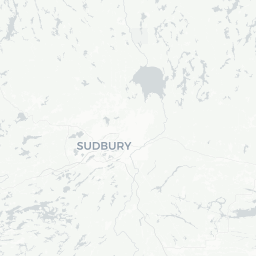
Greater Sudbury is a mid-sized northern Ontario city of roughly 166,000 people situated about 400 km north of Toronto. It occupies an unusually large geographic footprint — one of the largest municipalities by area in Canada — encompassing dense boreal forest, Canadian Shield bedrock, and more than 330 lakes within city limits.
The city's identity was shaped by more than a century of nickel and copper mining. The Sudbury Basin, a massive ancient meteorite impact crater, holds one of the world's richest concentrations of nickel ore. That industrial history is visible across the landscape but does not define the entire experience: decades of aggressive environmental reclamation have returned green cover to hills that were once barren from smelter emissions.
Today Sudbury functions as a regional hub for northern Ontario — home to Laurentian University, a bilingual French-English community, a genuine science attraction in Science North, and a gateway to wilderness recreation. It is a practical, unpretentious destination that rewards curious travelers willing to look beyond the highway.
Before You Go
Visas and entry: Canada's entry requirements vary by nationality and may include an Electronic Travel Authorization (eTA) or a visitor visa. Do not rely on any single source for current rules. Check TravelerPulse's Visas section and the official Immigration, Refugees and Citizenship Canada (IRCC) website before booking.
When to go: Summer (June–August) is the most popular season, with warm temperatures suited to lake swimming, hiking, and paddling. September brings fall foliage across the Shield. Winter is long and snowy; if you visit between December and March, pack for genuine cold and expect temperatures well below freezing. Spring (April–May) can be muddy and unpredictable — less ideal for first-time visitors.
Health and insurance: Canada has a publicly funded health system, but it does not cover international visitors. Comprehensive travel health insurance is strongly advised. Verify coverage details with your insurer before departure.
What to pack: Layers are essential year-round. In summer, bring insect repellent — blackflies in late May and June and mosquitoes through August are a real nuisance outdoors. Sunscreen matters even in northern latitudes.
Getting There
By air
Greater Sudbury Airport (YSB) receives scheduled service from select Canadian cities. Verify current routes and carriers directly with the airport or an airline booking tool, as regional service changes frequently.
By road
Sudbury sits at the junction of Highway 69/400 (from the south, toward Toronto) and the Trans-Canada Highway (Highway 17), making it a natural stopping point for cross-country road travelers. Drive time from Toronto is approximately four hours under normal conditions.
By train and bus
VIA Rail operates a long-distance route that stops at Sudbury Junction (note: the station is not in the city centre — verify the exact stop and ground transport options before booking). Intercity bus services also connect Sudbury to other Ontario cities; confirm current operators and schedules locally or through their official websites, as schedules change.
By RV or camper
Many visitors arrive self-contained, particularly those touring northern Ontario. Fuel and services are widely available in the city.
Getting Around
Greater Sudbury is a sprawling municipality and, like most northern Ontario cities, is designed primarily around private vehicle use. A rental car is the most practical option for visitors who want to explore the lakes, trails, and attractions spread across the area.
Greater Sudbury Transit operates bus routes covering the main urban core and some surrounding communities. Frequency is lower than in larger Canadian cities, so plan around schedules if you rely on public transit. Route and schedule information is available through the City of Greater Sudbury's official website.
Ride-hailing apps have had variable availability in northern Ontario cities — verify locally before depending on them. Taxis operate in the city. For downtown and Science North visits, some areas are walkable, but distances between key sights generally require transportation.
Things to See & Do
Science North
Science North is Sudbury's signature attraction — a legitimate science centre built into the Canadian Shield bedrock on the shore of Ramsey Lake. It includes interactive exhibits, an IMAX-style theatre, a butterfly gallery, and a second facility, the Dynamic Earth museum, focused on geological and mining history. The Big Nickel — a nine-metre replica of a 1951 Canadian nickel — stands at Dynamic Earth and is probably the city's most photographed landmark. Admission fees apply; verify current prices and hours on the Science North website.
SNOLAB
Located 2 km underground in the active Creighton Mine, SNOLAB is a world-class particle physics and astrophysics laboratory. It is not a standard tourist attraction — access is restricted and requires advance arrangement. The lab occasionally participates in public science outreach events; check their official site if this interests you.
Lakes and outdoor recreation
With over 330 lakes within city limits, Sudbury offers swimming, kayaking, canoeing, and fishing close to the urban core. Ramsey Lake, Bell Lake, and several conservation areas provide public access. Killarney Provincial Park, roughly 100 km southwest, is a more remote wilderness destination worth a dedicated day trip or overnight.
Bell Park
A popular waterfront park along Ramsey Lake in the city's south end, Bell Park has walking paths, picnic areas, and a beach. It is a good low-key option for an afternoon.
Trails and cycling
Sudbury has a growing network of multi-use trails. The Trans Canada Trail passes through the region. Conditions and access points are best confirmed through the city's parks department or local trail organizations.
Food & Drink
Sudbury's restaurant scene reflects a working northern city — hearty, practical, and increasingly varied. The downtown core along Elgin and Durham Streets has a concentration of independent restaurants, pubs, and cafés. Franco-Ontarian culinary traditions are present alongside standard Canadian and international options.
Local craft beer has grown in visibility in recent years, with a handful of breweries operating in and around the city. Verify current locations and hours locally, as small operations can change.
For self-catering, major grocery chains operate multiple locations across the municipality. Local markets and seasonal farmers' markets offer regional produce in summer and early fall — check the city's events listings for current market schedules.
One regional food note: poutine and Quebecois-influenced comfort food appear frequently on northern Ontario menus, reflecting the region's francophone community.
Practical Information
Emergency services: In any emergency in Canada, dial 911.
Electricity: Canada uses 120V / 60Hz with Type A and Type B outlets (North American standard).
Tipping: Tipping 15–20% is customary in restaurants and for taxi or rideshare drivers. Some businesses add a service charge — check your bill.
Cell coverage: Major Canadian carriers (Rogers, Bell, Telus and their subsidiaries) cover the urban area. Coverage can degrade quickly in rural and wilderness areas outside the city.
Banking and ATMs: Major bank branches and ATMs are available throughout the city. Inform your home bank of your travel dates to avoid card blocks.
Pharmacies: Multiple pharmacy chains operate in Sudbury; hours vary by location.
French language services: As a bilingual city, many municipal services, some businesses, and a portion of the population operate in French. English is universally understood in commercial settings.
Safety
Greater Sudbury is generally a safe destination by Canadian and international standards. Normal urban precautions apply in the city centre, particularly at night.
Outdoor safety deserves attention for visitors heading beyond the urban core. Northern Ontario wilderness carries genuine risks: black bears are present in the region and around lakeside areas, so follow standard food storage and encounter protocols. If you plan backcountry camping or extended paddling, inform someone of your itinerary, carry a means of communication, and check conditions with Ontario Parks or local outfitters.
Winter driving on northern Ontario highways can be hazardous. If renting a car in winter, ensure the vehicle is fitted with winter tires and check Environment and Climate Change Canada road and weather alerts before travel.
Local Culture & Etiquette
Sudbury has a distinct cultural identity rooted in its working-class mining history and its bilingual French-English character. The francophone community — largely descended from Quebec settlers who came for mining and forestry work — maintains French-language schools, media, and institutions. Visitors may notice French signage and services across the city.
Indigenous heritage is also present in the broader region. The Robinson-Huron Treaty territory encompasses this area, and several First Nations communities are located in and around Greater Sudbury. The city has been working to develop stronger relationships with Indigenous communities; travelers are encouraged to approach this context with awareness and respect.
Sudbury hosts various cultural events through the year, including the Northern Ontario celebration circuit. The Cinéfest Sudbury International Film Festival, held in September, is one of the larger cultural events on the annual calendar and draws films and guests from across Canada and internationally. Verify the current schedule on the Cinéfest website.