Translate
Overview
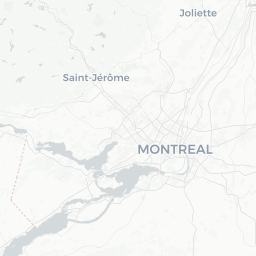
Mercier–Hochelaga-Maisonneuve (commonly called HoMa or Hochelaga) is a large borough in the east end of Montreal, Quebec. With a population of roughly 143,000, it is one of the city's most historically significant working-class districts, shaped by waves of industrial growth in the late 19th and early 20th centuries. Today it balances that gritty heritage with a lively cultural scene, independent businesses, and some of Montreal's most recognizable landmarks.
The borough is divided into several distinct neighbourhoods. Hochelaga-Maisonneuve is the most visited sub-area, anchored by the massive Olympic Park complex built for the 1976 Summer Games. The Mercier sector to the east is quieter and more residential, offering a more local, unhurried pace.
HoMa has undergone gradual gentrification since the 2000s without fully losing its authentic character. Murals cover building facades, small-batch breweries sit alongside corner dépanneurs, and community markets remain central to neighbourhood life. It is not a typical tourist destination, which is precisely what draws independent travellers seeking a lived-in Montreal experience beyond the Plateau or Old Port.
Before You Go
Visas and Entry
Canada has its own entry requirements that vary significantly by nationality, including the Electronic Travel Authorization (eTA) for visa-exempt travellers arriving by air. Do not rely on this guide for visa details. Check TravelerPulse's Visas section and the official Immigration, Refugees and Citizenship Canada (IRCC) website for current requirements before booking.
When to Visit
Summer (June–August) is the most comfortable season. Outdoor terrasses open, Parc Maisonneuve fills with locals, and the Olympic Park grounds host events. Spring and autumn offer mild temperatures and fewer crowds. Montreal winters are cold and snowy — manageable if you dress appropriately, but some outdoor attractions see reduced programming.
What to Know Before You Arrive
- The neighbourhood is francophone-dominant. Basic French phrases are appreciated and often necessary in smaller shops and restaurants.
- HoMa is a genuine residential borough, not a polished tourist zone. Signage, menus, and staff may not default to English as readily as in downtown Montreal.
- Cell coverage and Wi-Fi are widely available. A Canadian SIM or roaming plan with your provider is advisable.
- The borough is fully accessible via Montreal's STM metro and bus network, making a car unnecessary for most visitors.
Getting There
By Air
The primary gateway is Montréal–Trudeau International Airport (YUL), located in the western suburb of Dorval. From the airport, travellers can reach HoMa by taxi, rideshare, or a combination of the 747 express bus to downtown followed by the metro. Verify current transit options and fares directly with the STM or the airport authority, as schedules change.
By Train and Bus
VIA Rail trains serve Gare Centrale (Montreal Central Station) in downtown Montreal. Long-distance bus carriers including Greyhound Canada and Flixbus have also served Montreal; verify current routes before travel. From either terminus, the metro provides straightforward onward connections to HoMa.
By Metro
The Orange and Green lines of the STM metro are your main connectors. Stations relevant to HoMa include Pie-IX, Viau, Joliette, Préfontaine, Frontenac, and Honoré-Beaugrand on the Green Line. Journey times from downtown are generally 15–25 minutes. Verify current fares and schedules at stm.info.
Getting Around
Mercier–Hochelaga-Maisonneuve is a walkable borough for anyone comfortable covering moderate distances. The main commercial arteries — Ontario Street East (Rue Ontario Est) and Adam Street — are easily explored on foot.
The STM bus network covers the borough thoroughly, supplementing the Green Line metro. BIXI, Montreal's public bike-share system, has docking stations throughout HoMa and is one of the most practical ways to move between attractions, especially in summer. Verify BIXI station locations and current pricing at bixi.com.
Rideshare apps (Uber operates in Montreal) and taxis are available but rarely necessary within the borough. Driving and parking are manageable compared to downtown, though street parking rules require attention — read signs carefully to avoid fines.
Things to See & Do
Olympic Park (Parc Olympique)
The 1976 Summer Olympics left HoMa with an extraordinary legacy: the Olympic Stadium (Stade olympique), the Biodôme, Planétarium Rio Tinto Alcan, the Insectarium, and the Montreal Botanical Garden (Jardin botanique) are all clustered in this complex. The Botanical Garden in particular is internationally regarded, spanning roughly 75 hectares with dozens of themed gardens. Admission fees, opening hours, and seasonal closures for each venue should be verified at espacepourlavie.ca before visiting.
Marché Maisonneuve
This public market on Ontario Street East is one of Montreal's neighbourhood markets, operating in a historic Beaux-Arts building. It sells local produce, prepared foods, and seasonal goods. Hours vary by season — confirm before visiting.
Street Art and Murals
HoMa has become a canvas for large-scale murals, concentrated particularly around Ontario Street East, Adam Street, and surrounding residential blocks. Walking or cycling through the neighbourhood to discover these works is a rewarding low-cost activity. No guided tour is required, though local art-focused walking tours do operate — search locally for current offerings.
Local Brewery Scene
The borough has a notable concentration of craft breweries and brew pubs. Establishments have included well-regarded names in Montreal's craft beer community; verify which are currently operating and their hours before visiting, as this sector changes frequently.
Parc Maisonneuve
Adjacent to the Olympic complex, this large municipal park offers open green space, a public golf course, and cross-country skiing trails in winter. It is a genuinely local spot, popular with families and cyclists.
Food & Drink
Rue Ontario Est is the borough's main dining corridor. It features a range of options from traditional Québécois diners (known locally as casse-croûtes) and Portuguese-influenced spots to contemporary cafés and wine bars that have opened as the neighbourhood evolved. The density of independent, owner-operated restaurants is high relative to chain establishments.
For a specifically local experience, look for poutine at traditional casse-croûtes, smoked meat sandwiches, and seasonal Québécois comfort food. The market at Marché Maisonneuve is also a good source of prepared foods and local products.
The craft beer scene is a genuine draw. Several breweries offer taprooms where you can drink on-site and purchase bottles or growlers to go. Coffee culture is strong; independent cafés are plentiful, particularly near metro stations.
- Dining tip: Many smaller establishments operate on reduced hours or close one or two days per week — call ahead or check current hours online before making a trip.
- Language: Menus in smaller spots are frequently French-only. A translation app is a useful practical tool.
- Tipping: Standard in Quebec is 15–20% of the pre-tax bill at sit-down restaurants.
Shopping
Shopping in HoMa reflects the borough's independent, community-oriented character. Ontario Street East has vintage and second-hand clothing shops, record stores, bookshops (including French-language titles), and local artisan goods. This is not a neighbourhood for luxury retail or major shopping centres.
The Marché Maisonneuve is the go-to for edible souvenirs: local jams, maple products, cheeses, and seasonal produce. For larger or more mainstream shopping needs, neighbouring boroughs and downtown Montreal are easily reached by metro.
Practical Information
Emergency Services
In any emergency in Canada, dial 911 for police, fire, or ambulance.
Health
Quebec has a public health system; visitors without provincial health coverage should carry adequate travel insurance. Pharmacies (pharmacies or Jean Coutu, Pharmaprix chains) are accessible throughout the borough for minor medical needs.
Money
ATMs are widely available. Most businesses accept major credit and debit cards (Interac is the dominant debit network in Canada). Contactless payment is broadly accepted. Smaller independent cafés and market vendors may prefer cash — carry some.
Connectivity
Free Wi-Fi is available in many cafés and some public spaces. Canadian mobile carriers provide strong LTE/5G coverage. International visitors should check roaming costs with their home carrier or purchase a local prepaid SIM on arrival.
Electricity
Canada uses 120V/60Hz with Type A and B outlets (standard North American plug). European and other visitors will need an adapter and possibly a voltage converter for sensitive devices.
Accessibility
Montreal's metro stations vary in accessibility; not all Green Line stations serving HoMa have elevator access. Verify accessibility information at stm.info before planning a route.
Safety
Mercier–Hochelaga-Maisonneuve is a large, predominantly residential borough and is generally safe for travellers exercising normal urban awareness. Like any urban neighbourhood, some blocks have higher rates of petty crime than others; the area around certain metro stations has historically seen more street-level activity after dark.
Standard precautions apply: keep valuables out of sight, be aware of your surroundings at night, and avoid displaying expensive equipment unnecessarily. The borough is well-lit along main commercial streets.
For non-emergencies, the Service de police de la Ville de Montréal (SPVM) operates local stations; contact information is available at spvm.qc.ca. In any emergency, dial 911.
Local Culture & Etiquette
HoMa's identity is rooted in its working-class, francophone history. The neighbourhood was home to generations of factory workers and is still home to many long-term residents who take pride in that heritage. Visitors should approach the area with respect for its lived-in character — it is not a theme park version of Montreal.
French is the language of daily life. Making an effort to greet shopkeepers and servers in French (Bonjour, Merci, S'il vous plaît) is genuinely appreciated and reflects basic cultural respect. Quebec's language culture has specific social nuances; being polite and patient goes a long way.
The borough has a strong tradition of community organising, local festivals, and grassroots arts. Check community boards, local Facebook groups, and neighbourhood publications for events that may not appear on mainstream tourism platforms. Some of the most memorable HoMa experiences — a block festival, a pop-up market, a free outdoor concert — are found this way.