Translate


Overview
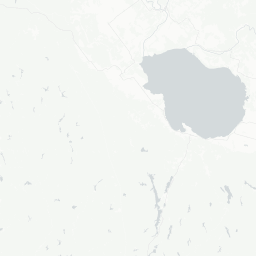
Saguenay is a mid-sized city of roughly 149,000 people in the Saguenay–Lac-Saint-Jean region of Quebec, situated where the Saguenay River cuts through one of the world's most southerly fjords before emptying into the St. Lawrence. The city was formed in 2002 through the merger of three former municipalities — Chicoutimi, Jonquière, and La Baie — each of which retains its own distinct character and neighbourhoods.
The city's identity is shaped by its dramatic natural setting, its strong francophone culture, and an industrial history rooted in aluminum smelting and pulp and paper. Visitors come primarily for the fjord — a UNESCO-designated region — and for access to year-round outdoor recreation: kayaking, hiking, skiing, snowmobiling, and whale watching along the nearby St. Lawrence.
Saguenay is not a heavily touristed city by international standards, which is part of its appeal. Travellers who make the effort to reach it tend to find an authentic, unhurried slice of Quebec life, with genuine local cuisine, a manageable pace, and landscapes that are difficult to find elsewhere in eastern Canada.
Before You Go
Visas and Entry
Entry requirements for Canada depend on your nationality and how you are travelling. Check TravelerPulse's Visas section for general guidance, and always verify current requirements directly with Immigration, Refugees and Citizenship Canada (IRCC) before booking.
Language
Saguenay is one of Quebec's most thoroughly francophone cities. Outside major hotels and some tourist attractions, English is not widely spoken. Learning a handful of French phrases — greetings, ordering food, asking directions — will be genuinely appreciated and practically useful. Translation apps can help in a pinch.
Climate and Packing
Summers (June–August) are warm and pleasant, with temperatures typically ranging from the mid-teens to the high twenties Celsius. Winters are cold and snowy, with temperatures frequently dropping well below −10 °C. Pack accordingly for the season. In any season, layers are sensible given the region's variable weather. Insect repellent is advisable for outdoor summer activities near the river and forest areas.
Health and Connectivity
No special vaccinations are required for travel to Canada. Tap water is safe to drink. Healthcare facilities are available in the city; travel insurance with medical coverage is strongly recommended for all visitors. Cell service and mobile data are generally reliable in the city core, though coverage can become patchy in remote fjord and backcountry areas.
Getting There
By Air
Saguenay–Bagotville Airport (YBG) serves the city with regional flights connecting to Montreal and other Quebec centres. Check current routes and schedules directly with airlines or the airport, as service levels on regional routes can change seasonally. Flying into Montreal (Pierre Elliott Trudeau International Airport, YUL) and continuing by road or bus is a common option for international travellers.
By Road
Saguenay is approximately 200 km north of Quebec City via Highway 175, which passes through Parc national de la Jacques-Cartier — a scenic drive in any season. Driving is the most flexible way to reach the region and is highly practical once there, given the city's spread-out geography. Car rentals are available at YBG and at Quebec City and Montreal airports.
By Bus
InterCity bus service connects Saguenay with Quebec City and Montreal. Verify current operators, schedules, and fares locally or through regional transit resources, as service details change. Journey times are several hours depending on origin.
Getting Around
Saguenay is a sprawling city spread across its three former municipal areas — Chicoutimi, Jonquière, and La Baie — connected by highway corridors. A rental car is the most practical way to move between neighbourhoods and to access outlying natural areas such as the fjord shoreline and provincial park.
The city operates a local bus network (Société de transport du Saguenay, STS). It covers urban routes adequately for residents but may not align well with tourist itineraries or timings. Verify current routes and schedules on the STS website before relying on it.
Ride-hailing availability is limited compared to larger Canadian cities. Taxis operate in the city; confirm availability and fares locally. Cycling infrastructure exists in some areas, and the city has invested in multi-use paths, though distances between attractions can be significant.
Things to See & Do
Fjord and River
The Saguenay Fjord is the centrepiece of the region. Parc national du Fjord-du-Saguenay (a Quebec provincial park) offers hiking trails along the fjord's steep walls, viewpoints, and camping. The park has visitor facilities in La Baie; verify current hours, fees, and reservation requirements through Sépaq (the provincial parks authority) before your visit.
Kayaking the fjord is a popular and memorable activity. Outfitters in the region offer guided day tours and multi-day expeditions. The fjord's cold, dark waters and towering cliffs make for dramatic paddling, but conditions can be challenging — guided tours are recommended for those without prior experience.
Whale Watching
Beluga whales are year-round residents where the Saguenay meets the St. Lawrence, and several migratory whale species pass through in summer. The town of Tadoussac, roughly 60 km east of the city, is the primary base for whale-watching excursions and is easily reached as a day trip. Boat tours operate seasonally; confirm schedules and book in advance in peak summer months.
Winter Activities
Winter transforms the region. Snowmobile trails are extensive and well-maintained. Cross-country and alpine skiing are available at local ski centres — verify current facilities and conditions locally. Ice fishing is a local tradition on regional lakes. The Carnaval de Jonquière and other winter festivals animate the colder months.
Culture and History
- La Pulperie de Chicoutimi: A heritage industrial complex built on the site of a former pulp mill, now housing a regional museum and art gallery. Verify hours and admission fees directly.
- Musée du Fjord: A natural science museum in La Baie focused on the fjord ecosystem. Verify opening times before visiting.
- Croix de Sainte-Anne: A large illuminated cross above Chicoutimi offering panoramic views of the city and river.
- The neighbourhood of Rivière-du-Moulin and the Vieux-Chicoutimi area offer a sense of the city's historic streetscape.
Food & Drink
Saguenay's food scene reflects its Québécois roots. Local staples include tourtière (meat pie), pea soup, and dishes featuring local dairy and game. The region is known for its blueberries (myrtilles or bleuets), harvested extensively in the surrounding area — look for blueberry products, jams, and wines at local markets and shops.
The city has a range of restaurants concentrated in the Chicoutimi area, from traditional Quebec diners (casse-croûtes and rôtisseries) to more contemporary spots. There is no notable fine-dining scene by metropolitan standards, but quality local ingredients are common. Poutine is ubiquitous, and local interpretations are worth trying.
Microbrewing has grown throughout Quebec, and Saguenay has a small but genuine craft beer presence. Local cideries and a regional wine-adjacent culture built around blueberry and fruit wines offer some unique tasting opportunities. Confirm current establishments locally, as the independent food and drink scene is subject to change.
Practical Information
Money
The Canadian Dollar (CAD) is the only currency accepted. Credit and debit cards are widely accepted in shops, restaurants, and hotels. ATMs are readily available in the city. Tipping customs follow standard Canadian norms: 15–20% at sit-down restaurants is customary.
Emergency Services
Dial 911 for police, fire, and medical emergencies throughout Canada.
Communication
Most urban areas have reliable mobile coverage. International visitors should check roaming charges with their carrier or consider a local SIM. Wi-Fi is available in most accommodation and many cafés.
Electricity
Canada uses 120V/60Hz with Type A and B plugs (the same as the United States). Visitors from Europe, Australia, and much of Asia will need an adapter and possibly a voltage converter for certain devices.
Accessibility
Park facilities, major attractions, and newer commercial areas have varying levels of accessibility. Contact specific venues in advance if mobility considerations are relevant to your visit.
Safety
Saguenay is a safe city by most measures, with crime rates typical of a mid-sized Canadian urban centre. Standard urban precautions apply: be aware of your surroundings, secure valuables, and avoid poorly lit areas at night.
Outdoor activities in the fjord and surrounding wilderness carry natural risks. Weather in the region can change quickly, water temperatures in the fjord are very cold year-round, and backcountry trails can be remote. Hikers and paddlers should inform someone of their plans, carry appropriate gear, and check conditions with park staff before setting out. In winter, driving on regional roads requires experience with snow and ice conditions — ensure your rental vehicle has winter tires, which are legally required in Quebec during winter months.
Local Culture & Etiquette
Saguenay is one of the most distinctly francophone cities in Quebec — and by extension, in North America. The local identity is strongly tied to language, Catholic heritage (visible in the region's many churches), and a working-class pride connected to the area's industrial past. Visitors should approach the city with genuine cultural curiosity and not assume that English will serve as a default.
The region has a tradition of humour and storytelling, and locals are generally warm toward visitors who make an effort. Festivals throughout the year celebrate music, winter culture, and local food. The Festival international des arts de la marionnette and other cultural events bring the city's arts scene to life — verify current programming through local cultural listings.
A note on pace: Saguenay moves more slowly than Montreal or Quebec City. Shops may close earlier, services may be less available on Sundays, and the overall rhythm of life is quieter. This is not a drawback — it is part of what makes the city feel genuine rather than tourist-facing.