Overview
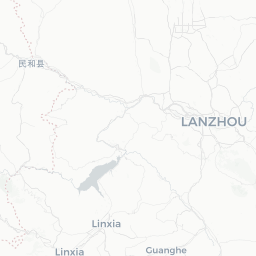
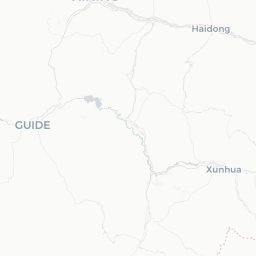
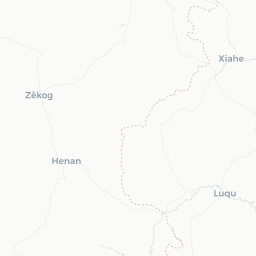
Guanghe Chengguanzhen is the urban seat of Guanghe County, situated in Linxia Hui Autonomous Prefecture in southeastern Gansu Province. Lying at roughly 35.5°N, it occupies a transitional zone between the Loess Plateau and the upper Yellow River valley, giving the surrounding countryside a distinctive mix of terraced farmland, eroded ravines, and river-cut valleys.
The town's population is predominantly Hui Chinese — a Muslim ethnic group with deep historical roots in this part of the Silk Road corridor. That heritage is reflected in the local architecture, food culture, and the rhythm of daily life, including the call to prayer and the presence of mosques in and around the county seat.
For most visitors, Guanghe Chengguanzhen functions as a transit or rest point on journeys between Lanzhou (roughly 130 km to the northeast) and Linxia City (a short distance to the west). It is not a major tourist destination in its own right, but travelers with an interest in everyday life in a small Hui-majority county town will find it authentic and unhurried.
Before You Go
Visas
China requires a visa for most foreign nationals. Requirements change and individual circumstances vary. Check TravelerPulse's Visas section and consult the official website of the Chinese embassy or consulate in your country before travel.
Health
No destination-specific vaccinations are mandated, but standard travel health precautions apply. Altitude in the surrounding county reaches moderate elevations; if you are arriving from lower elevations and plan to move into higher surrounding areas, allow time to acclimatize. Tap water is not reliably safe to drink — bottled water is widely available.
Connectivity
Foreign visitors should note that many international websites and apps (including Google, WhatsApp, and common social platforms) are blocked in China. Download and configure a VPN before you arrive, as installing one inside China can be difficult. WeChat and Alipay are the dominant payment tools; cash (RMB) remains essential as a backup in small towns like this one. Foreign cards are rarely accepted at local businesses.
Getting There
By Road
The most practical way to reach Guanghe Chengguanzhen is by road. Long-distance and regional buses connect it with Lanzhou (the provincial capital), Linxia City, and other county towns in the prefecture. Bus frequency and journey times should be verified locally or at the departure bus station, as schedules change seasonally.
From Lanzhou
Lanzhou Zhongchuan International Airport is the nearest major airport, serving domestic routes across China and a limited number of international connections. From Lanzhou, travelers typically take a coach or shared minibus into Linxia Prefecture; Guanghe is accessible en route or via onward local transport. Journey times by road are typically a few hours depending on traffic and route — verify current conditions locally.
No Rail Access
As of this writing, Guanghe County does not have a rail station directly serving the county seat. The nearest rail connections are in Lanzhou or at stations along the Lanzhou–Chengdu railway further afield. Confirm current infrastructure locally, as development in Gansu continues.
Getting Around
Within Guanghe Chengguanzhen, the county seat is compact and walkable for most day-to-day needs. Three-wheeled motorized taxis (commonly called 'miandi' or motorized tricycles) and standard taxis operate locally — negotiate the fare before setting off, as meters may not be used.
For visits to surrounding villages or countryside areas in the county, hiring a local driver or joining a shared minibus is the most realistic option. Ride-hailing apps such as Didi may have limited coverage in a county seat of this size; verify locally.
Things to See & Do
Explore the County Town
The daily life of a Hui-majority county seat is itself a draw for travelers interested in Muslim communities along the historic Silk Road. The local bazaar area, mosques, and market streets offer an unscripted window into regional culture that larger, more touristed cities often lack.
Local Mosques
Several mosques serve the town and surrounding villages. The architecture blends Chinese structural forms with Islamic ornamentation in a style typical of Linxia Prefecture. Visitors should dress modestly and ask permission before entering or photographing; prayer times are active daily.
Yellow River Valley Scenery
The upper Yellow River corridor runs through this part of Gansu, and the broader landscape — loess hillsides, river terraces, and agricultural valleys — rewards travelers who enjoy undeveloped natural scenery. Specific viewpoints or access routes should be asked about locally.
Day Trips into the County
Guanghe County contains rural areas, small villages, and farming communities largely off the tourist trail. A half-day or full-day excursion into the surrounding countryside can be arranged with a local driver.
Food & Drink
Food in Guanghe Chengguanzhen reflects Hui culinary traditions: all restaurants in the county seat are halal (qīngzhēn). Pork is absent from local menus. Lamb and beef dominate — expect dishes such as hand-pulled noodles (lāmiàn), braised lamb, and hearty noodle soups.
Linxia Prefecture is sometimes called the 'Little Mecca of China,' and the food culture carries that weight of tradition. Flatbreads, sesame pastries, and sweet teas are common accompaniments. Small noodle shops and canteens along the main streets are the most practical dining options; there are few if any internationally styled restaurants.
Alcohol is generally not served or consumed in Hui-majority establishments. If you drink, be aware that availability is very limited here compared with Han-majority cities.
Practical Information
Money
Branches of major Chinese banks (such as Agricultural Bank of China or Bank of China) are likely present in the county seat and may offer ATM services — verify on arrival whether your foreign card is accepted. Carry sufficient RMB cash before arriving, as options for foreign card transactions in small county towns are unreliable.
Communication
Mandarin is the language of commerce and government. English is rarely spoken. A translation app (downloaded for offline use) or a phrasebook is highly recommended. Chinese input and translation apps such as Pleco or Baidu Translate work offline once dictionaries are downloaded.
Emergency Contacts
China's national emergency numbers are: Police — 110; Fire — 119; Ambulance — 120. Local hospital and clinic capacity in county-level towns is basic; serious medical issues may require transfer to Linxia City or Lanzhou.
Religious Sensitivity
This is a predominantly Muslim community. Dress modestly (covered shoulders and knees is respectful), avoid eating or drinking in public during Ramadan if possible, and be mindful of photography around places of worship and of individuals.
Safety
Guanghe Chengguanzhen is a small county town with no particular safety concerns reported for travelers. Standard precautions apply: keep copies of your passport and visa separately from the originals, be aware of your belongings in crowded market areas, and keep a note of your accommodation address in Chinese characters to show to drivers.
Foreign visitors in less-touristed parts of Gansu may attract curiosity from locals, which is generally well-intentioned. Solo female travelers and LGBTQ+ travelers should be aware that social norms in this predominantly conservative religious community are more traditional than in major Chinese cities; discretion is advisable.
Local Culture & Etiquette
Guanghe County sits within Linxia Hui Autonomous Prefecture, one of the most significant centers of Hui Muslim culture in China. The Hui people are Chinese-speaking Muslims whose presence in this region traces back to the Tang and Song dynasties, deepening through the Yuan and Ming periods along Silk Road trade routes.
Islamic practice is central to public and private life. Friday prayers are observed seriously, and the rhythm of Ramadan and Eid al-Adha shapes the annual calendar. Visitors who arrive during these periods will witness a heightened sense of community and festivity, though some services may have altered hours.
Cultural expression here includes traditional Hui embroidery, distinctive mosque architecture, and a strong oral tradition of Islamic scholarship. Approaching these cultural elements with genuine curiosity and respect — rather than as a tourist spectacle — will be well received by locals.