Translate


Overview
A Note on This Destination
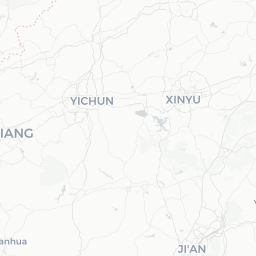
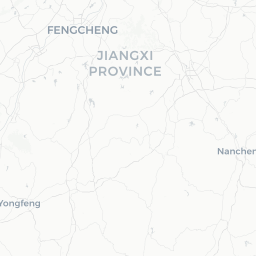
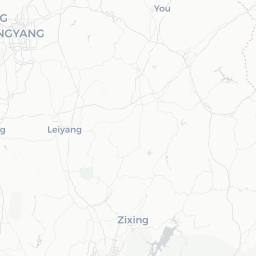
The place record for "Lijiang, Jiangxi" (coordinates approximately 27.84°N, 115.47°E) places this locality in central Jiangxi province, near the Ji'an prefecture area. This should not be confused with the internationally renowned Lijiang (丽江) in Yunnan province, which is an entirely different city famous for its Old Town UNESCO World Heritage Site.
Jiangxi province itself is a genuinely rewarding destination in inland southeastern China, known for its red-clay landscapes, significant revolutionary history, Buddhist mountain sites, and ceramics heritage. However, this specific "Lijiang" locality in Jiangxi does not appear in standard travel databases as an established tourist destination, and we cannot verify specific attractions, accommodation, or infrastructure at these exact coordinates.
If you have arrived at this page looking for the Yunnan Lijiang guide, please navigate to that listing. If you are researching travel in central Jiangxi more broadly, the information below covers the regional context honestly, and we encourage you to verify all details locally before traveling.
Before You Go
Visas
China has a visa system that changes periodically, including visa-free arrangements for citizens of certain countries that have been updated in recent years. We do not publish specific visa rules here because they change frequently and errors could affect your travel. Please check the TravelerPulse Visas section and consult the official website of the Chinese embassy or consulate in your country of residence for current, authoritative requirements.
Health & Vaccinations
Consult a travel medicine clinic or your doctor at least 4–6 weeks before departure. Central Jiangxi is a rural inland region; standard travel health precautions for China apply. Verify locally or with official health authorities whether any specific advisories are in effect at the time of your travel.
Connectivity
China maintains an internet filtering system (the "Great Firewall"). Many international services including Google, WhatsApp, Instagram, and others are inaccessible without a VPN. Research VPN options before you enter the country, as downloading them from within China is difficult. WeChat and local Chinese apps function normally and are widely used for payments, navigation, and communication.
Getting There
Regional Access
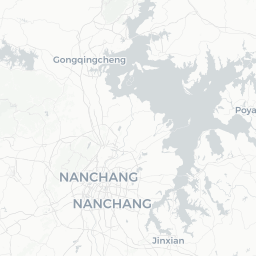
The coordinates for this locality fall within the general Ji'an area of Jiangxi province. The nearest major transport hub in the region is Ji'an, which has a railway station served by China's high-speed rail (CRH) network, connecting to Nanchang (Jiangxi's provincial capital) and other major cities. Nanchang Changbei International Airport is the main international and domestic air gateway to the province.
For travel to rural or smaller localities in Jiangxi, the typical route is to fly or take high-speed rail to Nanchang or Ji'an, then use local buses, taxis, or hired vehicles for onward travel. Specific schedules and fares for local transport should be verified through official rail booking platforms (such as 12306.cn) or locally upon arrival.
Practical Note
Because this specific locality is not a documented tourist destination, do not assume that English-language signage, tourist information offices, or international-facing transport services will be available. Traveling with a Mandarin-speaking companion or guide is strongly advisable if you need to reach a precise rural location in this area.
Getting Around
Local Transport in Rural Jiangxi
In rural and small-town areas of Jiangxi, the primary modes of transport are local buses (班车), motorcycle taxis (摩的), and hired cars or taxis. Ride-hailing apps — particularly Didi Chuxing — operate in larger towns and cities across China but coverage in smaller rural localities may be limited or absent.
Road conditions in central Jiangxi vary. Main provincial roads are generally paved and maintained, while smaller rural roads can be rougher. If you plan to drive, international visitors cannot use a foreign driving licence in China; a Chinese driving licence is required. Hiring a local driver with a vehicle is a common and practical option for rural areas.
Always confirm transport options with your accommodation or a local contact before traveling to or from remote localities.
Things to See & Do
Regional Jiangxi Attractions
Because this specific "Lijiang" locality in Jiangxi is not documented as a destination in its own right, we cannot list verified local attractions. However, the broader Jiangxi region contains several genuinely significant sites that travelers in the area may wish to incorporate into their itinerary:
- Jinggangshan (井冈山): A mountainous area in Ji'an prefecture with significant modern Chinese history, dense forest scenery, and hiking trails. It is one of Jiangxi's most visited destinations.
- Jingdezhen (景德镇): Often called the "Porcelain Capital," this city has produced ceramics for over a thousand years and has a thriving contemporary ceramics culture and museum scene.
- Mount Lu (庐山): A UNESCO World Heritage cultural landscape with dramatic cliff scenery, historical villas from the colonial era, and connections to classical Chinese poetry.
- Wuyuan (婺源): A county renowned for its preserved Huizhou-style whitewashed architecture, rapeseed flower fields in spring, and rural walking routes.
For any site in rural Jiangxi, verify opening hours, admission fees, and access conditions locally or through official Chinese tourism platforms before visiting.
Food & Drink
Jiangxi Cuisine
Jiangxi cuisine (赣菜, Gàncài) is not as internationally famous as Sichuan or Cantonese cooking, but it is distinctly flavored and worth exploring. The cuisine tends to be savory, moderately spicy, and makes frequent use of preserved and fermented ingredients, fresh river fish, pork, and locally grown rice.
Common dishes found across the province include braised pork with preserved vegetables, spicy stir-fried rice cakes, river fish preparations, and various tofu dishes. In rural areas, home-style cooking at small family restaurants (农家乐, nóngjiālè) is often the most authentic and affordable option.
Practical Notes on Eating Out
In smaller localities and rural Jiangxi, menus will almost certainly be in Chinese only, with no English translation. Having a translation app (such as Google Translate's camera function, or the Chinese equivalent Baidu Translate) that can read Chinese characters from a photo is extremely useful. Cash (RMB) is widely accepted; mobile payment via WeChat Pay or Alipay is the dominant payment method among locals and may be expected at some smaller establishments.
Practical Information
Money
China's currency is the Renminbi (RMB), denominated in Yuan (CNY). ATMs are available in larger towns and cities across Jiangxi, with Bank of China and ICBC branches most reliably handling international cards — though this should be verified, as card acceptance varies. In rural areas, cash is essential. Mobile payments (WeChat Pay, Alipay) are dominant in daily commerce; international visitors can now link foreign cards to these apps in some configurations, but this should be tested and set up before arriving in a rural area.
Communication
Mobile data SIM cards can be purchased at major Chinese mobile carriers (China Mobile, China Unicom, China Telecom) with a passport. Coverage in Jiangxi's rural areas is generally adequate on 4G networks along main roads, but may drop in remote highland or forested areas.
Emergency Contacts
China's general emergency numbers are publicly available and standardized nationally: police (110), fire (119), and ambulance (120). We recommend confirming these and any local hospital locations with your accommodation upon arrival. Travel insurance with medical evacuation coverage is strongly advised for travel to rural areas of China.
Safety
General Safety
Jiangxi province is generally considered safe for travelers in terms of petty crime, though standard precautions — securing valuables, being aware of surroundings — apply as they do anywhere. Rural areas present fewer safety concerns from crime but more practical challenges around medical access, language barriers, and transport reliability.
Natural Hazards
Central Jiangxi can experience significant rainfall and flooding, particularly during the rainy season (roughly April through June). Flash flooding and landslides can affect rural roads. Monitor local weather conditions and heed any official advisories, particularly if traveling in hilly or mountainous terrain.
Travel Insurance
Comprehensive travel insurance including medical coverage and emergency evacuation is strongly recommended for travel to rural parts of China where international-standard medical facilities may not be nearby.
Local Culture & Etiquette
Cultural Context
Jiangxi has a long history within Chinese civilization, with the region playing significant roles in Tang and Song dynasty cultural life, the development of Neo-Confucianism, and the early history of the Chinese Communist Party in the 20th century. The Gan people (赣人) have their own distinct dialect and cultural traditions that differ from neighboring Hunan, Fujian, and Zhejiang provinces.
Etiquette
Standard etiquette for rural China applies: greet people politely, ask before photographing individuals, be respectful at any temples or sites with religious or historical significance, and be aware that in small communities, foreign visitors may attract significant curiosity. A few basic phrases in Mandarin (greetings, thank you, excuse me) are warmly appreciated and go a long way.
Note that in rural areas of Jiangxi, the local Gan dialect may be the primary spoken language among residents, and even Mandarin speakers may find some communication gaps. Patience and goodwill are the most useful tools.