Translate


Overview
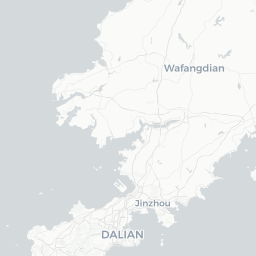
Dalian sits at the southern tip of the Liaodong Peninsula in Liaoning Province, where the Yellow Sea and Bohai Sea meet. With a population approaching five million, it is one of northeast China's most significant port cities and a major hub for shipping, petrochemicals, and finance.
The city has an unusually layered architectural heritage. Russian colonial planners laid out broad, spoke-and-wheel boulevards and European-style public squares in the late nineteenth century; Japanese occupation from 1905 to 1945 added another layer of low-rise civic buildings and orderly urban planning. Walking certain central districts, particularly around Zhongshan Square, feels noticeably different from a typical Chinese city.
Dalian is also one of the cleaner, greener cities in northeast China, consistently ranking well in domestic urban-environment indices. Its coastal position means the climate is moderated by the sea, making summers less brutal than inland cities at similar latitudes, though winters are cold and sometimes icy. Travelers come for beaches, seafood markets, city parks, and easy access to the wider Liaodong Peninsula.
Before You Go
Visas
Entry requirements for China depend on your nationality, passport, and the purpose and length of your visit. China has expanded visa-free access policies in recent years, but conditions change. Do not rely on any single source for current rules. Check TravelerPulse's Visas section and verify the exact requirements with the official Chinese immigration authority or the Chinese embassy or consulate serving your country before you travel.
Internet access
China maintains an extensive internet filtering system. Many services commonly used elsewhere — including certain search engines, social media platforms, and messaging apps — are inaccessible without a VPN. Research your options before departure; downloading and configuring any tools you need is strongly advised while you are outside China, as access to VPN provider websites may itself be restricted once you arrive.
Health and vaccinations
Consult a travel medicine clinic or your doctor at least four to six weeks before departure. Carry any prescription medications in their original labeled packaging with supporting documentation. Travel insurance that covers medical evacuation is recommended.
Weather and packing
- Spring (Mar–May): Cool to mild, occasional wind; a light jacket is useful well into May.
- Summer (Jun–Aug): Warm and humid with the bulk of annual rainfall; beach season peaks in July and August.
- Autumn (Sep–Nov): Often clear and pleasant; the most comfortable season for sightseeing.
- Winter (Dec–Feb): Cold, occasionally below freezing, with possible ice on streets; warm layers are essential.
Getting There
By air
Dalian Zhoushuizi International Airport (DLC) is the main gateway and handles domestic routes to most major Chinese cities as well as some international connections, including seasonal and year-round routes to destinations in Japan, South Korea, and Southeast Asia. Check current airline schedules and route availability directly with carriers, as services change.
By rail
Dalian is well connected to the Chinese high-speed rail network. Dalian North Station is the primary hub for high-speed services; trains run frequently to Shenyang, Harbin, Beijing, and other northeastern cities. Standard rail services also operate from Dalian Station in the city center. Travel times and frequencies should be verified on the official 12306 platform or through a ticketing agent.
By sea
Ferry services connect Dalian with Yantai and Penglai in Shandong Province across the Bohai Strait. Crossing times vary by vessel type. Confirm current schedules and operators locally or through a travel agent, as ferry services are subject to weather disruptions and seasonal timetable changes.
By road
Express highways link Dalian to Shenyang and other cities in Liaoning. Long-distance coach services operate from bus terminals in the city; journey times are considerably longer than rail for most destinations.
Getting Around
Metro
Dalian has a metro network with several lines covering key districts including the railway stations, the city center, and coastal areas. It is the most reliable and affordable way to move around the city. Maps and signs include pinyin and, on some lines, English. Verify current line extensions and fares on signage at stations or the operator's official channels, as the network has been expanding.
Tram
Dalian retains a historic tram system, one of the few still operating in China, running primarily along the waterfront and through older central districts. Trams are slow but characterful and useful for a few specific routes.
Buses
An extensive bus network covers the city and suburban areas, including beach destinations such as Xinghai Bay and the Golden Pebble Beach resort zone. Routes are generally marked in Chinese only; a translation app or downloaded map is helpful.
Taxis and ride-hailing
Metered taxis are widely available. Didi is the dominant ride-hailing platform in China and is generally the most convenient option for on-demand travel. A Chinese mobile number and local or international payment method is required to use the app; set this up before arrival if possible.
Walking
The central area around Zhongshan Square and the pedestrian shopping streets is very walkable. Coastal promenades are pleasant in good weather.
Things to See & Do
Architecture and city squares
Zhongshan Square is the most photographed urban space in Dalian — a circular plaza from which ten boulevards radiate, ringed by early twentieth-century bank and government buildings. The contrast with typical Chinese city centers is striking. The nearby Russian Street (Eluosi Fengqing Jie) preserves a cluster of Russian-era buildings now converted to shops and restaurants.
Coastal areas and beaches
Dalian's coastline is its main leisure draw for domestic visitors. Xinghai Square is a vast waterfront plaza with sea views and is frequently cited as one of the largest city squares in the world by area. The Golden Pebble Beach (Jinshitan) resort area to the north of the city has longer sandy beaches and a geological park with unusual wave-eroded rock formations. Bangchuidao Scenic Area near the city center combines rocky shoreline, trees, and sea views. Beach quality and crowd levels vary significantly by season; July and August are the busiest months.
Lüshun (Port Arthur)
Lüshun, formerly known internationally as Port Arthur, is a historically significant district at the southern tip of the peninsula, about 40 kilometers from central Dalian. It was the site of major military actions during the Russo-Japanese War (1904–05) and earlier conflicts. The area has several museums, memorials, and preserved fortifications. Access was for many years restricted; verify current visitor requirements and transportation options before going.
Tiger Beach Ocean Park
This coastal theme park and marine park in the southeastern part of the city is a popular family destination, featuring marine life displays and amusement rides. Verify current admission prices and opening hours on the official site before visiting.
Parks and green spaces
Dalian Botanical Garden (Shengjing Garden) and Laodong Park are well-maintained green spaces popular with locals. The hillside parks in central Dalian offer elevated views over the city and harbor.
Food & Drink
Seafood
Seafood is the defining element of Dalian's food culture. The city's position between two seas means fresh catch is abundant and central to local dining. Sea cucumber (hai shen), abalone, scallops, sea urchin, various clams, crab, and multiple varieties of fish appear throughout menus at every price point. The Shuangliu Seafood Market and various harbor-adjacent markets are places where locals buy fresh produce and where some vendors cook to order — worth a visit even if you only browse.
Local dishes and snacks
Northeast Chinese (dongbei) cuisine forms the backbone of everyday eating: hearty dishes featuring pork, cabbage, corn, and fermented vegetables. Local specialties include grilled oysters sold by street vendors near the waterfront, and various cold noodle preparations. Dalian's climate also historically supported Japanese food culture, and the city has a higher density of Japanese restaurants than many Chinese cities of comparable size.
Dining areas
Xinghai Square and the surrounding district, the Zhongshan Square area, and the pedestrian zone near the train station all have concentrations of restaurants. Prices range widely. Street food stalls operate in evening night markets in summer months.
Drink
Tea is universally available. The northeastern Chinese beer culture is robust; local and national brands are served cold in most restaurants. For non-alcoholic options, fresh fruit juice stalls are common in markets and near beaches in summer.
Shopping
Dalian has a mix of modern malls, pedestrian shopping streets, and markets. The Tianzhijie area and Xi'an Road are among the main retail corridors for clothing, electronics, and everyday goods. The Qingniwaqiao commercial district is a long-standing shopping hub.
For souvenirs and locally produced goods, look for dried or packaged seafood products (dried scallops, sea cucumber, kelp) in dedicated seafood shops and markets — these make practical gifts and are widely available in vacuum-packed, transportable formats. Verify customs regulations in your home country regarding importing food products before purchasing.
Large shopping malls such as those in the Xinghai and Zhongshan areas carry international brands alongside domestic Chinese retail chains. Bargaining is not generally expected in fixed-price retail shops but may be applicable in markets and smaller independent stalls.
Practical Information
Money
China is increasingly cashless; mobile payment platforms (Alipay and WeChat Pay) dominate everyday transactions, from restaurants to street vendors. International visitors can now link foreign credit cards to Alipay in many cases — check the current setup process before travel, as this has evolved rapidly. ATMs accepting foreign cards are available at major banks; verify your card's international withdrawal fees with your bank. Carrying some cash remains advisable as a backup, particularly outside central areas.
Connectivity
SIM cards for China can be purchased at the airport or from mobile carrier stores in the city with your passport. Major carriers offer prepaid tourist SIM plans. As noted in the Before You Go section, plan ahead for any internet filtering workarounds you may need.
Emergency contacts
In mainland China, the general emergency number for police is 110, fire is 119, and ambulance is 120. Verify these numbers remain current locally upon arrival.
Language
English signage is present in the metro system, at the airport, and at major tourist sites, but English is not widely spoken in daily life. A translation app with offline capability (downloaded before arriving in China) is a practical necessity for most non-Mandarin speakers.
Electricity
China uses 220V/50Hz. Socket types are predominantly Type A (two flat pins) and Type I (two angled flat pins); the Chinese standard GB 2099 socket accepts both. Verify your device compatibility and carry appropriate adapters.
Safety
Dalian is generally considered one of the safer large cities in northeast China. Petty crime such as pickpocketing can occur in crowded tourist areas, markets, and public transit; standard urban precautions apply — keep valuables secured and be attentive in busy spaces.
Traffic requires attention when crossing roads; vehicles including electric scooters often do not yield to pedestrians even at marked crossings. Coastal areas can have strong currents; observe any posted swimming warnings and flag positions at beaches. Winter ice on pavements and roads can be hazardous — footwear with adequate grip is advisable between December and February.
As in all travel to China, be aware of local laws and regulations. Activities that may be unremarkable elsewhere can carry significant legal consequences; research current advisories from your government's official foreign travel guidance before and during your trip.
Local Culture & Etiquette
Dalian's population is predominantly Han Chinese, with the cultural norms and social customs characteristic of northeast China. The local dialect has influences from Shandong Province, reflecting historical migration patterns, though Mandarin is universally used.
The city's colonial history has left a visible imprint on its urban landscape but is treated in a nuanced way locally — the built heritage is generally preserved and promoted for tourism without extensive ideological framing at street level. Lüshun's military history is a more sensitive topic and is commemorated through formal museum contexts.
Dining etiquette follows general Chinese customs: sharing dishes at the table is the norm, pouring drinks for others before yourself is polite, and refusing food outright can be considered impolite — a taste or a gracious partial acceptance is usually sufficient. Tipping is not customary in restaurants and may cause confusion in some establishments.
Dalian has a notable football (soccer) culture and was the home base of several successful Chinese Super League clubs historically. Checking whether any home fixtures coincide with your visit can offer an authentic local experience beyond the usual tourist itinerary.