Overview
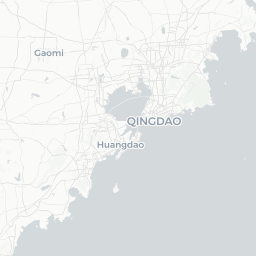
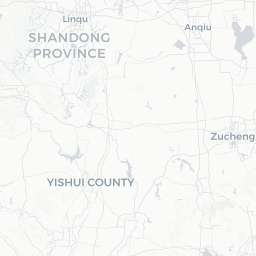
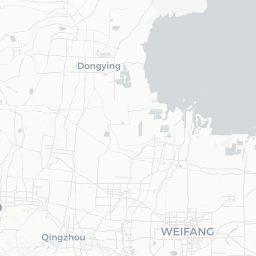
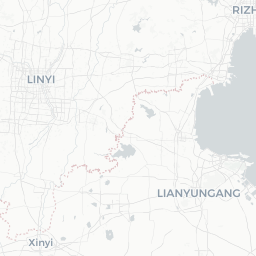
Qingdao sits on the southern coast of Shandong Province, facing the Yellow Sea. With a population of over seven million, it is one of China's more livable and visually distinctive coastal cities — a place where red-roofed German villas climb hillside lanes above sandy bays, and fishing boats share the harbor with container ships.
The city spent roughly two decades under German administration (1898–1914), a period that left a lasting imprint on the urban fabric: a brewery that became China's most recognized beer brand, stone churches, and a European-style street grid in the old district. That history sits alongside a thoroughly modern Chinese city of skyscrapers, high-speed rail links, and a busy port.
Qingdao rewards visitors who enjoy walking. The historic Badaguan villa quarter, the waterfront promenade, the old fishing village of Shazikou, and the lanes of Zhongshan Road each offer a different texture. The coastline stretches for many kilometers and includes several named public beaches, parks, and rocky headlands.
Before You Go
Visas
China has specific and frequently updated entry requirements. Do not rely on secondhand summaries. Check TravelerPulse's Visas section for general guidance, then verify current rules with the official Chinese immigration authority or your nearest Chinese embassy or consulate well before travel. Note that China operates a transit visa exemption policy for certain nationalities and qualifying itineraries — confirm whether it applies to your situation officially.
Internet access
China's internet is filtered. Many widely used platforms — including Google services, most Western social media, and some messaging apps — are inaccessible without a VPN. Research and download any tools you need before arrival, as app stores may also be restricted once inside the country. Domestic equivalents (WeChat, Baidu Maps, Alipay) function normally and are genuinely useful.
Payments
Cash and mobile payments dominate. WeChat Pay and Alipay are accepted almost universally, from street stalls to department stores; international credit cards are accepted at fewer places than travelers might expect. Linking an international card to a mobile payment app is possible with some effort — verify current procedures before arrival. Carry some cash as a backup.
Weather
Qingdao has a temperate maritime climate. Summers (July–August) are warm and humid with typhoon-season rainfall possible; the city is very busy with domestic tourists at this time. Spring and autumn are generally pleasant and drier. Winters are cold with occasional snow and strong winds off the sea.
Getting There
By air
Qingdao Jiaodong International Airport (IATA: TAO) opened in 2021 and handles both domestic and international routes. It is located in the Jiaodong area west of the city center; verify current transit options — rail link, bus, or taxi — locally or with your accommodation, as transport connections from the new airport continue to develop.
By high-speed rail
Qingdao is well connected to China's high-speed rail network. Frequent services run to Jinan, Beijing, Shanghai, and other major cities. Qingdao North Station and Qingdao Station (the older downtown station) serve different routes — confirm which station your service uses when booking. Tickets can be purchased through official rail platforms or at station ticket offices.
By ferry
International ferry services have historically operated between Qingdao and South Korea (Incheon and other ports). Routes and schedules change; verify current availability and booking procedures before travel.
Getting Around
Qingdao has an expanding metro (subway) system that is the most practical way to cover longer distances across the city. Maps and signage are available in both Chinese and English at stations. Purchase single-journey tickets at machines or use a transit card.
Buses cover areas the metro does not reach, though navigating the bus network without reading Chinese is more challenging. Taxi and ride-hailing apps (Didi is the dominant platform) are widely used, affordable by many international standards, and practical for reaching hilltop neighborhoods or beaches not directly on metro lines. Ensure your phone can run Didi and that you have a payment method set up before you need a ride.
The historic Badaguan and coastal areas are walkable and enjoyable on foot. Cycling infrastructure exists in some districts; shared bike apps (such as Meituan or Hello Bike) operate in the city — verify locally which are active.
Things to See & Do
Historic and architectural districts
- Badaguan Scenic Area — A quiet residential quarter of early-20th-century villas in varied European architectural styles, set among tree-lined streets. The area is open and walkable; it is particularly pleasant in spring when flowering trees bloom.
- Zhongshan Road historic area — The commercial spine of the old German-era city, with colonial-period buildings at street level and a busy, authentic urban character.
- St. Michael's Cathedral — A twin-spired Catholic church dating from the German period, a recognizable landmark on Zhejiang Road. Verify opening hours locally.
- Former German Governor's Residence (Yingbin Hall) — A hillside mansion that now operates as a museum. Verify admission fees and hours on-site or via official channels.
Coastline and parks
- No. 1 Beach (Zhanqiao area) — The city's most photographed beach, adjacent to Zhanqiao Pier. Very busy in summer.
- Zhanqiao Pier and Huilan Pavilion — A historic pier extending into the bay; the pavilion at its end is an iconic image of the city.
- Laoshan Scenic Area — A coastal mountain range east of the city center, associated with Taoist culture and offering hiking trails, temples, and sea views. This is a day trip or half-day trip; verify current entry procedures and ticket requirements.
- Xiaoyushan Park — A small hilltop park in the old district with panoramic views over the red-roofed neighborhoods toward the sea.
Beer and brewing history
- Tsingtao Brewery Museum — Located at the original 1903 brewery site on Dengzhou Road. The museum traces the history of the brewery and includes tasting areas. Verify current admission fees and hours before visiting.
Food & Drink
Qingdao's food culture is shaped by its location on the Yellow Sea coast. Seafood — clams, sea urchin, prawns, crab, squid, and various fish — is central to the local diet and widely available at different price points, from plastic-stool street stalls to sit-down restaurants.
Things to try
- Grilled seafood skewers — Street vendors near the waterfront and in the Taidong pedestrian area grill shellfish and other seafood to order, often seasoned simply.
- Ha (ha ren) — A local term for a small, inexpensive clam frequently served steamed or in noodle soups; considered a quintessential Qingdao street food.
- Jiaozi (dumplings) — Shandong-style dumplings are a regional staple; varieties with seafood fillings are common.
- Tsingtao beer — The local lager is ubiquitous and served very cold. Draught versions in old-quarter restaurants are popular.
- Shandong cuisine broadly — The province has one of China's oldest and most influential culinary traditions, emphasizing fresh ingredients, light seasoning, and techniques such as braising and stir-frying.
The Taidong pedestrian commercial area and the streets near the old fishing harbor at Pichaiyuan are well-known concentrations of food stalls and casual restaurants. As always in China, check that a restaurant displays a current hygiene rating if food safety is a concern.
Shopping
Zhongshan Road and the surrounding old-city streets offer a mix of local shops, street food, and some tourist goods. The Taidong pedestrian area is a major commercial hub for clothing, cosmetics, and everyday goods, with a younger, more contemporary character.
Local specialties worth considering as gifts or take-homes include Tsingtao beer (available in various packaging), local dried or packaged seafood, and Laoshan mineral water — water from the Laoshan springs has a long local reputation. Verify food import regulations for your home country before buying packaged food products to carry home.
Larger malls with international brands are present in the newer districts of the city. Verify opening hours locally.
Practical Information
Emergency numbers
China's national emergency numbers are: 110 (police), 120 (ambulance/medical), 119 (fire). Verify whether these connect reliably from a foreign SIM.
SIM cards and connectivity
Purchasing a local SIM card at the airport or a licensed telecom outlet (China Mobile, China Unicom, China Telecom) provides affordable data. Passport registration is required. A local SIM will give you fast access to domestic services; remember that many foreign apps remain inaccessible regardless of data connection.
Health
Travel with comprehensive health insurance that includes medical evacuation. Bring sufficient prescription medication for your entire trip, with a copy of the prescription. Tap water is not considered safe to drink; bottled or boiled water is standard.
Time and hours
All of China operates on a single time zone (UTC+8) regardless of geographic location. Business hours for attractions and shops vary; many popular sites are open daily but may close on certain holidays. Always verify hours directly before visiting.
Tipping
Tipping is not a cultural norm in China and is not expected in most contexts, including restaurants and taxis.
Safety
Qingdao is generally considered a safe city for travelers by Chinese urban standards. Petty crime — pickpocketing in crowded tourist areas, busy beaches, and public transport — warrants normal vigilance, particularly in summer when the city is at its most crowded.
Traffic in China moves on the right, but pedestrian crossings can be unpredictable; exercise caution at intersections even when signals indicate it is safe to cross. Swimming at public beaches carries standard ocean risks; observe any posted flags or lifeguard instructions, and be aware that beach crowding in summer can be extreme.
Check your government's current travel advisory for China before departure, as geopolitical and regulatory situations can change. Register with your embassy or consulate if your government offers that service.
Local Culture & Etiquette
Qingdao's layered identity — a Chinese port city with a distinct colonial-era footprint and a strong regional Shandong cultural character — makes it somewhat more internationally familiar in aesthetic terms than many Chinese cities of comparable size, but visitors should not mistake architectural familiarity for cultural similarity.
Shandong is the birthplace of Confucius, and Confucian values around respect for elders, social hierarchy, and hospitality remain culturally significant in the region. Locals tend to be direct in manner. When visiting temples or religious sites, dress modestly and follow any posted conduct guidelines.
WeChat is the dominant communication platform and is used for nearly everything: messaging, payments, business contacts, and local services. Having the app installed and functional before arrival is practically useful. Learning a handful of Mandarin phrases — greetings, numbers, and basic requests — is appreciated and practically helpful given limited English availability outside tourist-facing businesses.