Overview
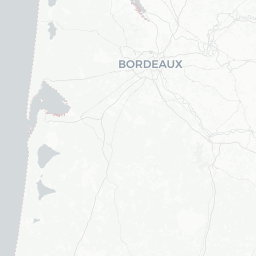
Bordeaux sits on a broad bend of the Garonne River in southwestern France, roughly 550 km from Paris. With a population of around 265,000 in the city proper and more than 900,000 in the metropolitan area, it is one of France's ten largest cities—yet it retains a walkable, human-scaled centre that rewards slow exploration on foot.
The city earned UNESCO World Heritage status in 2007, covering a remarkably intact ensemble of 18th-century neoclassical architecture that stretches along the waterfront and into the medieval street grid behind it. The port that once shipped wine to Britain, the Netherlands, and beyond now hosts a broad riverside promenade, cultural institutions, and outdoor spaces.
Beyond the stone facades and wine reputation, Bordeaux has invested heavily in urban renewal over the past two decades. A tram network, a cycling infrastructure overhaul, and the opening of the Cité du Vin museum in 2016 have repositioned the city as a contemporary European destination rather than merely a heritage stop. High-speed rail from Paris (roughly two hours on the LGV line) has significantly increased visitor numbers in recent years.
The surrounding Bordeaux wine region—divided into appellations such as Médoc, Saint-Émilion, Pomerol, Graves, and Sauternes—is one of the most studied and visited wine landscapes on Earth. Many châteaux are open to visitors for tastings and tours, though booking in advance is strongly recommended.
Before You Go
Visas
France is a Schengen Area member. Entry requirements vary considerably by nationality. Check TravelerPulse's Visas section for general guidance, and verify current rules with the official French immigration authority (france-visas.gouv.fr) or your nearest French consulate before booking.
Health
No destination-specific vaccinations are required for most travellers to France. European visitors should carry a European Health Insurance Card (EHIC or GHIC); travellers from outside the EU should ensure they have adequate travel health insurance. Pharmacies (marked with a green cross) are widely available and can advise on minor ailments.
When to Go
- Spring (April–June): Warm but not hot, long daylight hours, vineyards green and photogenic. Fewer crowds than summer.
- Summer (July–August): Peak tourist season; warmer temperatures, lively outdoor dining, but accommodation books up quickly.
- Harvest (September–mid-October): Arguably the most rewarding time for wine tourists; harvest activity at many châteaux.
- Winter (November–March): Quieter and cooler, with some reduced opening hours at attractions. Good for budget travellers.
Practical Prep
- Download the French national rail app (SNCF Connect) or the local Bordeaux transit app (TBM) before arrival.
- The city centre is largely cashless-friendly, but smaller markets and some rural producers still prefer cash.
- French is the working language; English is spoken in most hotels, tourist offices, and larger restaurants, but learning a few basic phrases is appreciated.
Getting There
By Air
Bordeaux-Mérignac Airport (BOD) is located approximately 12 km west of the city centre. It serves numerous European destinations with direct connections, and some intercontinental routes. Check current airline schedules directly; routes change seasonally. A tram link (Line A) connects the airport to the city centre; a journey of roughly 40–50 minutes depending on traffic and stop. Taxis and rideshare services are available outside arrivals; verify current fares locally.
By Train
Bordeaux-Saint-Jean is the main railway station, situated on the southern edge of the city centre. High-speed TGV services from Paris Montparnasse take approximately two hours. Connections exist to Toulouse, Nantes, Lyon, and beyond. Book through SNCF Connect; advance fares are substantially cheaper than walk-up prices.
By Road
Bordeaux is well served by the French autoroute network. The A10 links the city to Paris; the A63 runs south toward the Basque Country and the Spanish border. Driving into the city centre can be congested, and parking is limited and paid; a park-and-ride (relais-parkings) system exists on the periphery.
By Coach
Long-distance coach operators serve Bordeaux from several French and European cities. Bordeaux's coach station (Gare routière) is adjacent to the Bordeaux-Saint-Jean rail station. Verify current operators and schedules directly.
Getting Around
Tram and Bus
The TBM (Transports Bordeaux Métropole) network operates three tram lines (A, B, C) and an extensive bus network across the metropolitan area. Trams run frequently through the city centre and cover most major attractions, the railway station, and the airport. Tickets and day passes can be purchased at tram stops and from some tobacconists; verify current fares on the TBM website or app.
Cycling
Bordeaux has invested significantly in cycling infrastructure. The city's VCub bike-sharing scheme offers short-term rental at docking stations across the urban area; register via their app or at terminals. Dedicated cycle lanes cover much of the city centre and extend along the riverfront.
Walking
The UNESCO-listed historic core is compact and largely pedestrianised. Most central attractions—the Place de la Bourse, Cours du Chapeau-Rouge, Grand Théâtre, Saint-André Cathedral, and the main shopping streets—are within comfortable walking distance of each other.
Taxis and Rideshare
Licensed taxis can be hailed, found at designated ranks near the station and major squares, or booked by phone. Major rideshare apps operate in Bordeaux; confirm availability at time of travel.
Day Trips by Car or Organised Tour
Visiting wine châteaux in appellations like Médoc or Saint-Émilion typically requires a car or an organised tour, as public transport into the vineyards is limited. Several tour operators based in Bordeaux offer half-day and full-day château visits; the Bordeaux tourist office can provide current options.
Things to See & Do
Historic City Centre
The 18th-century riverfront, centred on the Place de la Bourse and its mirroir d'eau (water mirror), is Bordeaux's most photographed space. The reflective pool—one of the world's largest—is particularly striking at dusk. Nearby, the Porte Cailhau is a well-preserved 15th-century city gate. The Grand Théâtre, completed in 1780, is considered one of the finest neoclassical theatres in Europe; tours and performances are available (verify schedule locally).
Cité du Vin
Opened in 2016 on the northern riverfront, the Cité du Vin is a purpose-built cultural centre dedicated to the global history and culture of wine. It houses permanent and temporary exhibitions, a tasting area, a restaurant, and a panoramic belvedere. Admission fees and hours should be verified on their official website (laciteduvin.com).
Saint-André Cathedral and Pey-Berland Tower
The Cathédrale Saint-André, a Gothic structure with origins in the 11th century, sits at the heart of the medieval city. The adjacent Tour Pey-Berland is a free-standing bell tower that can be climbed for views over the rooftops; opening hours and admission should be confirmed locally or via the Centre des Monuments Nationaux.
Wine and Vineyard Visits
The Bordeaux tourist office (bordeaux-tourisme.com) coordinates château visits and wine tourism. The medieval town of Saint-Émilion, a UNESCO site in its own right, is about 40 km east and makes an excellent day trip combining wine tasting with heritage. The Médoc appellations (including Margaux, Pauillac, and Saint-Estèphe) lie north of the city along the Gironde estuary.
CAPC Musée d'Art Contemporain
Housed in a converted 19th-century warehouse, the CAPC is a respected contemporary art museum with a strong permanent collection and rotating exhibitions. Verify current opening hours and admission on capc-bordeaux.fr.
Marché des Capucins
Bordeaux's main covered market, the Marché des Capucins, operates most mornings and is a lively place to observe local food culture, buy regional produce, and eat breakfast or lunch at one of the market stalls. Hours vary; verify locally.
Food & Drink
Cuisine Overview
Bordelais cuisine draws on the Gascon tradition of southwestern France: duck confit, foie gras, lamb from the Pauillac area, oysters from the Arcachon Bay, and cèpe mushrooms in season. The city also has a strong brasserie culture inherited from its mercantile history.
Signature Dishes and Products
- Entrecôte à la bordelaise: Rib steak with a red wine, bone marrow, and shallot sauce—the city's most emblematic dish.
- Canelé: A small fluted pastry with a caramelised crust and custardy interior flavoured with rum and vanilla. Available from specialist bakeries throughout the city; quality varies significantly.
- Oysters: Flat and cupped varieties from the Arcachon Basin are served raw at restaurants and the Marché des Capucins.
- Macarons de Saint-Émilion: Almond-based biscuits from the nearby town; sold in dedicated shops.
Wine
Bordeaux produces some of the world's most studied red wines, primarily from Cabernet Sauvignon and Merlot blends. White wines (dry from Graves and Pessac-Léognan; sweet from Sauternes and Barsac) are less internationally prominent but well worth exploring. The city's wine bars (bars à vin) offer the opportunity to taste classified and lesser-known wines by the glass at more accessible prices than restaurants.
Neighbourhoods for Eating Out
- Chartrons: The former wine merchants' quarter, now gentrified, with wine bars, bistros, and weekend antique markets.
- Saint-Pierre: The medieval heart; dense with restaurants ranging from tourist-oriented to locally respected.
- Cours de l'Intendance and surroundings: Higher-end dining and established brasseries.
Book dinner reservations in advance during peak season, particularly at well-regarded restaurants.
Shopping
Overview
Bordeaux's main commercial streets run through the pedestrianised city centre, including the Rue Sainte-Catherine—one of the longest pedestrian shopping streets in France—where international chains predominate. For more distinctive shopping, the Chartrons neighbourhood offers antique dealers, independent wine merchants, and design boutiques.
Wine and Regional Products
- Specialist wine merchants (négociants) in the Chartrons district and near the Place des Grands-Hommes offer a wide selection of Bordeaux appellations, including vintages not easily found elsewhere.
- Canelés, Bordeaux macarons, and regional charcuterie make practical, food-safe gifts and are available from dedicated pastry shops and the Marché des Capucins.
Markets
- Marché des Capucins: Produce, cheeses, oysters, and prepared food; primarily morning hours.
- Marché du Chartrons: Sunday morning market with antiques, vintage goods, and local crafts along the Cours Xavier Arnozan.
Practical Notes
VAT refund (détaxe) is available to non-EU residents on qualifying purchases above a set threshold; ask retailers for a refund form and present it at the airport on departure. Thresholds and procedures should be verified with the retailer or French customs.
Practical Information
Tourist Information
The Office de Tourisme et des Congrès de Bordeaux Métropole operates a visitor centre near the Place de la Bourse. Their official website (bordeaux-tourisme.com) publishes current events, guided tour bookings, and transport information.
Emergency Numbers
- General emergency (all services): 112 (EU standard)
- Police: 17
- Medical emergencies (SAMU): 15
- Fire: 18
Money
Bordeaux is well-equipped with ATMs (DAB) throughout the city centre. Credit and debit cards (Visa and Mastercard) are widely accepted; American Express less so. Contactless payment is standard in most shops and restaurants.
Connectivity
Free public Wi-Fi is available in many public spaces, cafés, and the tourist office. French SIM cards and short-term data plans are available from telecom shops in the city centre; EU roaming rules apply for European visitors.
Accessibility
The tram network is step-free and generally accessible. Much of the historic centre is paved with flat stone, though some older streets have uneven surfaces. The Cité du Vin and major museums generally meet French accessibility standards; verify specific requirements directly with each venue.
Useful Apps
- SNCF Connect – national rail booking
- TBM – local bus and tram network
- VCub – city bike share
- Google Maps / Citymapper – both work well in Bordeaux
Safety
Bordeaux is generally considered a safe city for travellers. Standard urban precautions apply: be aware of your surroundings in crowded areas such as the Rue Sainte-Catherine, the train station, and busy tourist sites, where pickpocketing occasionally occurs.
The area around the Gare Saint-Jean can feel less comfortable late at night; take usual precautions if arriving or departing after dark. The riverside promenade and historic centre are well-lit and frequented by locals into the evening.
As in any French city, leave valuables out of sight in parked vehicles. The French emergency number is 112 (works from any mobile, including without a local SIM). The nearest hospital emergency department (urgences) can be located via the tourist office or your accommodation.
Local Culture & Etiquette
Bordeaux has a distinct civic identity shaped by its history as a major Atlantic port. The city grew wealthy through trade—wine, colonial goods, and, in the 18th century, involvement in the transatlantic slave trade, a history the city has engaged with more directly in recent years through museum exhibitions and public memorials.
The Grand Théâtre remains the centrepiece of the city's performing arts life, hosting opera, ballet, and classical concerts under the Opéra National de Bordeaux. Contemporary music and independent theatre venues are spread throughout the city; listings are published in the local press and via the tourist office.
French social customs apply: greet shopkeepers and restaurant staff with bonjour on entering; use merci and au revoir on leaving. This is considered standard courtesy rather than formality. Tipping is not obligatory in France—a service charge is included by law in restaurant bills—but leaving small change for good service is appreciated.
Bordeaux hosts several annual events worth noting, including the Fête du Vin (a large biennial wine festival held in even years on the riverfront) and the Fête le Fleuve (a maritime festival). Verify current dates and programmes with the tourist office, as scheduling changes.