Overview
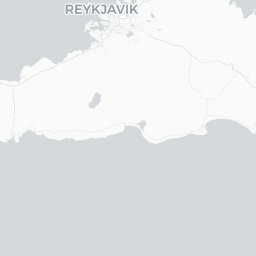
Reykjavík is the world's northernmost capital city, home to roughly 130,000 people in the greater urban area and situated on the southwestern shore of Iceland. Despite its small population it functions as the country's undisputed cultural, political, and economic center, containing the majority of Iceland's museums, restaurants, universities, and government institutions.
The city occupies a compact peninsula framed by the Atlantic Ocean on three sides and backed by volcanic highlands. On clear days the glacier-capped volcano Snæfellsjökull is visible across the bay to the northwest, and Mount Esja rises directly to the north. This dramatic natural setting is central to daily life in a way few other capitals can claim.
Reykjavík developed from a small fishing settlement into a modern European city over little more than two centuries, and that compressed timeline gives it a distinctive layered character — turf-house heritage sits alongside modernist architecture, and a geothermal energy grid that heats almost every building in the city runs silently beneath the streets. Sustainability and outdoor culture are embedded in civic identity rather than treated as aspirational add-ons.
The downtown core, centered on the main shopping street Laugavegur and the old harbor area, is walkable and manageable for visitors. Beyond the city limits, the famous Golden Circle route, the Reykjanes Peninsula, and the South Coast are all accessible as day trips, making Reykjavík a natural base for exploring the island.
Before You Go
Visas and Entry
Iceland is a Schengen Area member state. Visa requirements vary significantly by nationality and are subject to change. Check TravelerPulse's Visas section for general guidance, and verify current requirements with the Directorate of Immigration Iceland (utl.is) or your nearest Icelandic consulate well before travel.
When to Go
- June–August: Long days, the midnight sun (around the solstice the sun barely sets), comfortable temperatures typically ranging from around 10–15 °C (50–59 °F), and the bulk of festivals and outdoor events. This is peak tourist season; accommodation books up early.
- September–October: Shoulder season with northern lights becoming possible again, autumn colors in the highlands, and smaller crowds than summer.
- November–March: Cold, dark, and wet, but the best conditions for aurora viewing. Expect temperatures frequently near or below freezing and strong winds.
- April–May: Transitional months with improving light, lower prices than peak summer, and wildflowers beginning to appear.
Packing Notes
Weather in Reykjavík is famously changeable — locals reference the saying that if you don't like the weather, wait five minutes. Layering is essential in every season. Waterproof outerwear is strongly recommended year-round. Comfortable walking shoes or light hiking boots will serve you well in and around the city. Swimwear is worth packing regardless of season, as geothermal pools are a year-round activity.
Health and Insurance
Iceland has a high standard of public healthcare. EU/EEA visitors should carry a valid European Health Insurance Card (EHIC) for access to publicly funded care. All other travelers should arrange comprehensive travel insurance that includes medical evacuation coverage, given the remote terrain accessible from the city.
Getting There
By Air
Keflavík International Airport (KEF) is the main international gateway and sits approximately 50 km (31 miles) southwest of Reykjavík on the Reykjanes Peninsula. It serves direct transatlantic routes from North America as well as extensive European connections, with Icelandair operating as the primary national carrier alongside several international airlines. Travel time from the airport to the city center is roughly 45–60 minutes depending on traffic and transport mode.
Transfer options between KEF and Reykjavík include airport coaches (the Flybus and similar services connect with Keflavík departures and arrivals — confirm timetables and book in advance, especially in peak season), taxis and private transfers (significantly more expensive; verify current pricing before booking), and rental cars picked up at the terminal.
Reykjavik Airport (RKV), located within the city itself in the Vatnsmýri area, handles domestic flights to other Icelandic towns and the Faroe Islands. If you plan to fly to the Westfjords or other remote regions, you may transit through RKV.
By Sea
Smyril Line operates a weekly car ferry service from Hirtshals in Denmark and Seyðisfjörður in eastern Iceland. This is not a direct route to Reykjavík — passengers arriving by ferry would need to travel overland from Seyðisfjörður. Verify current schedules and routes with the operator directly, as seasonal changes apply.
Getting Around
On Foot
The city center — encompassing Laugavegur, the Old Harbor, Hallgrímskirkja, and most key attractions — is compact and walkable. Many visitors find that the majority of their time in Reykjavík requires no transport at all beyond their own feet.
Public Bus (Strætó)
Strætó operates the public bus network throughout Reykjavík and the Capital Region. It covers most neighborhoods and runs on a flat-fare system. Bus stops are marked with the Strætó logo, and a mobile app is available for route planning and purchasing tickets. Validate current fares and schedules on the official Strætó website (straeto.is) before travel.
Cycling
Reykjavík has an expanding network of cycle lanes, and bike rental is available from several operators in the city center. The terrain is mostly flat near the harbor and inner city. Weather and wind conditions can make cycling less comfortable in autumn and winter.
Taxis and Rideshare
Licensed taxis are available and can be hailed or booked by phone and app. As of writing, major international rideshare platforms do not operate in Iceland. Confirm pricing before starting a journey, as fares can be high by international standards.
Car Rental
A rental car is not necessary for visiting Reykjavík itself but is the most practical option for exploring areas beyond the city. Dozens of rental agencies operate at KEF airport and in the city. For Highland roads (F-roads), a 4WD vehicle is legally required and practically essential — standard passenger cars are not permitted on those routes.
Things to See & Do
Landmarks and Architecture
- Hallgrímskirkja: The city's defining Lutheran church, designed by Guðjón Samúelsson and completed over several decades in the 20th century. The tower observation deck offers panoramic views of the city and surrounding landscape. Admission fees and opening hours — verify on the official site (hallgrimskirkja.is).
- Harpa Concert Hall: An award-winning glass-and-steel concert hall and conference center on the harbor waterfront, designed in collaboration with artist Olafur Eliasson. The building's geometric facade is distinctive in any light.
- Sun Voyager (Sólfar): A large stainless steel sculpture by Jón Gunnar Árnason on the coastal path near the harbor. Frequently photographed at sunset.
- The Old Harbor (Grandi): The working port area has evolved into a mixed zone of fish processing, whale-watching tour operators, street food, and cultural institutions. Worth an afternoon.
Museums
- National Museum of Iceland (Þjóðminjasafn Íslands): Covers Icelandic history from settlement to the present day. Verify current opening hours and admission fees at thjodminjasafn.is.
- Reykjavík Art Museum (Listasafn Reykjavíkur): Operates across three venues — Hafnarhús, Kjarvalsstaðir, and Ásmundarsafn — covering contemporary art, Icelandic masters, and sculpture. Each venue has separate programming; verify locally.
- Settlement Exhibition (Landnámssýningin): Built around an excavated Viking-age longhouse discovered beneath the city in 2001. A rare opportunity to see genuine archaeological remains in situ.
- Whales of Iceland: A dedicated whale exhibition in the Grandi harbor area featuring life-size models of cetacean species found in Icelandic waters.
Geothermal Pools
Public swimming pools (sundlaugar) heated by geothermal water are central to Reykjavík social life. Laugardalslaug is the city's largest, while Sundhöll Reykjavíkur is the historic downtown pool. Entry fees are modest by Iceland's cost standards; verify current pricing at the point of entry or via reykjavik.is. Note that strict pre-swim showering without a swimsuit is mandatory and strictly enforced — this is standard Icelandic hygiene practice, not optional.
Northern Lights
Aurora viewing within the city is possible but light pollution reduces visibility. The Reykjavík City website and the Icelandic Meteorological Office (vedur.is) publish aurora forecasts. For better viewing, even a short drive to darker areas on the Reykjanes Peninsula or north toward Þingvellir significantly improves chances. Clear, dark skies and a Kp index of 3 or above are the basic requirements.
Day Trips
Reykjavík is the primary base for Iceland's most visited natural areas. The Golden Circle (Þingvellir National Park, Geysir geothermal area, Gullfoss waterfall) and the South Coast (Seljalandsfoss, Skógafoss, Jökulsárlón glacier lagoon — though the latter is a long full-day drive) are commonly visited. Organized tours depart daily from the city; self-drive is also straightforward on Route 1 (the Ring Road).
Food & Drink
Reykjavík has a restaurant scene that punches well above its population size, shaped in part by high-quality local ingredients — fish, lamb, skyr, and root vegetables feature prominently — and by a generation of chefs who have trained in Scandinavia and beyond before returning home.
What to Eat
- Skyr: A strained dairy product with a yogurt-like consistency, high in protein and low in fat. Available everywhere from supermarkets to restaurants; frequently served as a dessert with berries.
- Lamb: Icelandic sheep graze freely on highland vegetation and are considered to produce particularly flavorful meat. Slow-cooked lamb soup (kjötsúpa) is a traditional dish found in homestyle restaurants.
- Fish and Seafood: Arctic char, cod, haddock, langoustine (particularly from the Westfjords), and salmon appear on menus throughout the city. The harbor area has several seafood-focused options.
- Pylsur (Hot Dogs): Icelandic hot dogs made with a mix of lamb, pork, and beef are a genuine local institution, typically served from street kiosks with fried onion, raw onion, remoulade, mustard, and ketchup. Bæjarins Beztu Pylsur near the harbor is the most famous stand.
- Hákarl and Brennivín: Fermented Greenlandic shark is a traditional food rarely eaten daily by Icelanders but sometimes offered to curious visitors. It is an acquired taste. Brennivín, a caraway-flavored schnapps, is the traditional accompaniment.
Dining Practicalities
Reykjavík is expensive by most international standards. Budget travelers can manage costs by using supermarkets (Krónan, Bónus, and Nettó are the more affordable chains) and targeting lunch menus, which many restaurants offer at significantly reduced prices compared to dinner. Tipping is not culturally obligatory in Iceland as service charges are typically included in prices, though it is accepted if offered.
Coffee Culture
Reykjavík has a strong independent café culture, with numerous specialty coffee shops concentrated along and around Laugavegur. Kaffi is part of daily rhythm here; cafés often double as community gathering spaces.
Shopping
The main shopping street is Laugavegur and its continuation Skólavörðustígur, running up toward Hallgrímskirkja. This corridor concentrates independent boutiques, design shops, bookshops, outdoor gear retailers, and souvenir stores. The Kringlan and Smáralind shopping malls in the eastern suburbs carry international chains and practical goods.
What to Look For
- Wool products: Icelandic wool (particularly items made from lopi, the distinctive unspun Icelandic fleece) is warm, water-resistant, and genuinely useful in the local climate. Handmade lopapeysa sweaters from reputable retailers are a quality purchase, though verify whether an item is locally made or imported.
- Design and craft: Reykjavík has a lively community of independent designers working in ceramics, jewelry, textiles, and illustration. Several small galleries and design shops along Laugavegur and in the Grandi harbor area stock locally made work.
- Books: The Icelandic publishing industry is remarkably active relative to population size. Icelandic sagas in translation, contemporary Icelandic fiction, and illustrated books on the natural environment are widely available.
Note that Iceland charges VAT (value-added tax) at a standard rate on most goods. Non-EU/EEA visitors may be eligible for a tax refund on qualifying purchases above a minimum threshold — verify current rules and participating retailers locally or at the airport before departure.
Practical Information
Emergency Services
The general emergency number in Iceland is 112, covering police, fire, and ambulance. The 112 Iceland app, developed by the national emergency services, allows users to share their GPS location with emergency responders and is strongly recommended for anyone traveling outside urban areas.
Money
Iceland is a predominantly cashless society. Credit and debit cards (Visa and Mastercard) are accepted almost universally, including in small shops and food trucks. Cash is rarely necessary in Reykjavík. ATMs (hraðbankar) are available throughout the city center if cash is needed.
Connectivity
Mobile coverage is good throughout Reykjavík and most populated areas of Iceland. EU travelers with roaming rights should confirm coverage; others may wish to purchase a local SIM card or eSIM. Free Wi-Fi is widely available in cafés, hotels, and public spaces.
Electricity
Iceland uses the Type F (Schuko) plug standard at 230V/50Hz. Travelers from North America, the UK, or other regions using different plug types will need an adapter.
Tap Water
Reykjavík tap water comes from naturally filtered groundwater and is safe to drink. It may have a faint sulfur smell from geothermal processing — this is normal and harmless. Buying bottled water in Reykjavík is largely unnecessary and environmentally wasteful.
Pharmacies
Pharmacies (lyfjaverslanir or apótek) are found in the city center and in shopping malls. Hours vary; verify locally for extended-hours locations.
Safety
Reykjavík is consistently ranked among the safest capital cities in the world. Violent crime is rare, and the city is generally comfortable to navigate at any hour. Standard urban precautions — awareness of your surroundings, securing valuables — are sensible but the threat environment is low.
The primary safety considerations in and around Reykjavík are environmental rather than criminal. Weather can deteriorate rapidly and without warning. Wind speeds on exposed coastal areas and elevated ground can be dangerous, and the Icelandic Association for Search and Rescue (ICE-SAR) responds to a significant number of incidents involving unprepared visitors each year. Before any hiking or travel into natural areas, check weather forecasts at vedur.is and register your itinerary with safetravel.is.
Ocean waves along the coast, including near Reykjavík's own shoreline, can be unpredictable and powerful. Sneaker waves have caused fatalities on Icelandic beaches. Heed warning signs and maintain a safe distance from the water's edge, particularly on black sand beaches.
For travelers venturing beyond the city, be aware that F-roads (highland interior tracks) are only legally passable with 4WD vehicles, river crossings require experience and appropriate vehicles, and GPS maps may not reflect current road conditions. Safetravel.is and road.is are the authoritative sources for road status.
Local Culture & Etiquette
Icelandic culture is shaped by long-standing traditions of self-reliance, literary heritage, and a close relationship with an extreme natural environment. The Sagas — medieval prose narratives recounting Viking-age history and myth — remain a living part of cultural identity rather than purely academic texts, and references to them appear in everyday conversation, place names, and public art.
Reykjavík has a disproportionately large creative community for its size. Music, visual art, literature, and design are taken seriously as professions and civic investments. The city has produced internationally recognized musicians across genres, and independent venues, galleries, and festivals sustain a year-round cultural calendar. Iceland Airwaves, a music festival held annually in November, draws international attention to both established and emerging Icelandic artists.
The swimming pool culture (sundlaugar) is worth understanding as a social institution rather than purely a leisure facility. Public geothermal pools are where neighbors catch up, business is discussed, and community cohesion is maintained. Visitors who engage with pool culture respectfully — following hygiene rules, keeping noise at a conversational level, and not treating the experience as a tourist performance — will find it one of the more authentic windows into daily Reykjavík life.
Religiously, Iceland is nominally Lutheran with the National Church of Iceland as the established church, though active religiosity is relatively low and the country consistently ranks among the most secular societies in global surveys. Respect for minority religious communities is generally high. Attitudes on social issues including LGBTQ+ rights are among the most progressive in Europe — Reykjavík hosts an annual Pride festival (Reykjavík Pride, typically held in August) that draws very large attendances relative to the city's size.