Translate


Overview
Patna is one of the oldest continuously inhabited cities in the world, sitting on the southern bank of the Ganges in Bihar, eastern India. Known in antiquity as Pataliputra, it served as the seat of the Maurya and Gupta empires and was described by Megasthenes, the Greek ambassador, as among the largest cities of the ancient world.
Today Patna is a busy state capital of roughly 1.7 million people, functioning as the administrative and commercial hub of Bihar. It is not a polished tourist city, but travelers who take the time to explore its layered history — from Mauryan-era archaeology to Mughal architecture to a living Sikh pilgrimage tradition — find it genuinely rewarding.
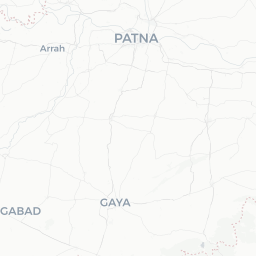
The city stretches along a long, narrow strip beside the Ganges, and its older quarters retain a dense, lived-in character that gives an honest sense of everyday life in the Gangetic plain. It also serves as a practical base for day trips to Nalanda, Rajgir, Vaishali, and Bodh Gaya, making it a useful node on any Bihar heritage circuit.
Before You Go
Visas
Most foreign nationals require a visa to enter India. Requirements, fees, and e-visa eligibility change regularly. Check TravelerPulse's Visas section and the official Indian government immigration portal for current information before booking.
Health
Consult a travel health professional well before departure. Hepatitis A and typhoid vaccinations are commonly recommended for travel in this region. Tap water is not safe to drink; use sealed bottled water or a reliable filter. Mosquito-borne illnesses including dengue and malaria are present, particularly during and just after the monsoon (June–September). Bring and consistently use insect repellent.
Climate
- October–March: Cool, dry, and pleasant — the most comfortable window for sightseeing. January nights can be cold (near 8–10 °C).
- April–June: Increasingly hot, with temperatures regularly exceeding 40 °C. Travel is possible but demanding.
- July–September: Monsoon season. Heavy rainfall, high humidity, and periodic flooding of low-lying areas. Some roads and sites may be inaccessible.
What to pack
Light, loose, modest clothing is appropriate year-round. A shawl or dupatta is useful for visiting religious sites. Carry a small supply of hand sanitizer and any prescription medications you need, as specific brands may not be available locally.
Getting There
By Air
Jay Prakash Narayan International Airport (PAT) is located about 5–6 km west of the city center. It receives flights from major Indian cities including Delhi, Mumbai, Kolkata, and Bengaluru, as well as some regional international routes. Verify current routes and schedules with airlines or booking platforms, as service changes frequently.
By Train
Patna Junction is one of the busiest railway stations in eastern India and is well-connected to Delhi, Kolkata, Mumbai, Varanasi, and most major Indian cities. The Indian Railways network makes train travel a practical and often comfortable option; book tickets in advance through the official IRCTC platform, especially around festivals and public holidays.
By Road
Patna is accessible by national highways and is well-served by state and private bus operators from nearby cities such as Varanasi (approx. 250 km), Bodh Gaya (approx. 115 km), and Ranchi. Road quality varies; journey times can differ significantly from map estimates.
Getting Around
Within the City
Auto-rickshaws and cycle-rickshaws are the most common way to move around, particularly in the older parts of the city. Negotiate fares before boarding or confirm whether a meter is in use. App-based ride services (Ola and others) operate in Patna — check availability on arrival, as coverage can be uneven.
City buses run on several routes but can be crowded and confusing for first-time visitors. For day trips to Nalanda, Rajgir, or Vaishali, hiring a car with a driver through your hotel or a local travel agent is the most practical option. Agree on the full price, including waiting time and return, before setting out.
Ganga River
Ferry and boat services operate on the Ganges from Patna's ghats. Early-morning boat rides are a popular way to see the riverfront. Verify current services and seasonal availability locally, as water levels and permissions affect schedules.
Where to Stay
Patna has a range of accommodation from budget guesthouses to mid-range business hotels. The Fraser Road and Boring Road corridors are popular areas for mid-range hotels and are convenient for restaurants and transport. Hotels near Patna Junction are practical for early train departures.
Well-known chain hotels with properties in Patna include Lemon Tree, Hotel Patliputra Ashok (a government-run heritage property), and Vivanta (Taj group) — verify current availability, rates, and reviews on booking platforms before reserving. Budget travelers will find numerous guesthouses near the station and in the city center; read recent reviews carefully, as quality varies considerably.
During major festivals — particularly Chhath Puja, which draws enormous crowds to Patna's ghats — accommodation fills up very quickly and prices rise. Book well in advance if your travel coincides with any major Bihar festival.
Things to See & Do
Historical and Archaeological Sites
- Patna Museum (Bihar Museum area): Patna has two significant museums. The older Patna Museum (Jadu Ghar) holds an important collection of Mauryan and Gupta-era sculptures, terracotta figurines, and the famous Didarganj Yakshi statue. The newer Bihar Museum on Bailey Road is a larger, modern institution focused on Bihar's art and history. Verify opening days and hours before visiting.
- Kumhrar: Archaeological site preserving remains of Pataliputra, including a pillared assembly hall (apadana) attributed to the Mauryan period. A small on-site museum contextualizes the finds. Modest and easy to visit.
- Agam Kuan (Endless Well): A well of ancient origin, associated in local tradition with the Mauryan emperor Ashoka. A small Shitala Devi shrine stands nearby.
Religious Sites
- Patna Sahib (Takht Sri Harmandir Sahib): One of the five Takhts (seats of authority) in Sikhism and the birthplace of Guru Gobind Singh, the tenth Sikh Guru. It is a major pilgrimage site and open to visitors of all backgrounds; cover your head and remove shoes before entering.
- Mahavir Mandir: One of the most visited Hindu temples in Bihar, dedicated to Hanuman, located near Patna Junction. It draws very large crowds, especially on Tuesdays and Saturdays.
- Padri Ki Haveli (Church of the Holy Rosary): One of the oldest churches in Bihar, dating to the late 18th century.
The Riverfront and Ghats
A walk or boat ride along the Ganges ghats — particularly around Gandhi Ghat — gives a sense of daily life along the river. Early mornings are most atmospheric. The riverfront promenade has been developed in recent years and is a pleasant area for an evening walk.
Golghar
A large beehive-shaped granary built by the British in 1786, standing near the Maidan. Visitors can climb the exterior spiral staircase to a rooftop with panoramic views over the city and the Ganges. Verify access and hours locally.
Food & Drink
Patna's food scene is rooted in Bihari home cooking, which is distinct from better-known north Indian cuisines. Litti-chokha — wheat dough balls roasted over charcoal, served with spiced mashed vegetables — is the defining local dish and available from street stalls and dedicated restaurants across the city. Sattu (roasted gram flour) appears in drinks, flatbreads, and stuffings and is a staple worth trying.
For breakfast, look for poha, jalebi with rabri, and puri-sabzi at small local eateries. Dal puri (lentil-stuffed flatbreads) is another popular morning option. The city has a strong tradition of sweets: khaja (a layered, flaky pastry) and thekua (a fried wheat-and-jaggery biscuit) are widely sold.
Patna's restaurant scene ranges from simple dhabas (roadside eateries serving inexpensive thalis) to mid-range restaurants in the hotel district around Fraser Road and Boring Road. South Indian, Chinese-Indian, and north Indian restaurants are all easy to find. Alcohol is available in licensed restaurants and hotels; Bihar has had complex and changing alcohol regulations, so verify current rules before assuming availability.
Drink only sealed bottled water or water that you have personally filtered and treated. Avoid ice at establishments where you are uncertain of the water source.
Shopping
Patna is not a major craft destination, but a few items are worth looking for. Madhubani (Mithila) paintings — a distinctive folk art tradition from north Bihar — are sold in several government emporiums and craft shops; prices vary widely, so compare a few sellers. Bihar State Handicrafts and Government Emporium outlets are generally reliable for authentic goods.
Silk fabrics, particularly Bhagalpuri silk (Tussar), are available in textile shops. The Hathwa Market and Maurya Lok complex are popular general shopping areas. For everyday goods and a lively market experience, the older lanes around Patna City (the historic eastern quarter) are interesting to explore, though they require patience to navigate.
Always confirm what you are buying — particularly regarding age, origin, and material claims on art and antiques — as misrepresentation is not uncommon in informal markets.
Practical Information
Money
ATMs are widely available in the city center, hotel districts, and near the railway station. Cards are accepted at larger hotels and some restaurants, but cash remains essential for auto-rickshaws, street food, local markets, and smaller guesthouses. Carry an adequate supply of smaller denominations.
Connectivity
Indian SIM cards are available at the airport and in the city; foreign nationals need to present a passport and may need a local contact address. Wi-Fi is available at most mid-range and above hotels. Mobile data is generally reliable in the city center.
Emergency Contacts
Verify current emergency numbers locally upon arrival. In India, the general police number is 100, ambulance 108, and fire services 101 — but confirm these are current and operational in Bihar before relying on them.
Useful Tips
- Carry a printed or downloaded offline map; signage in English is inconsistent outside major thoroughfares.
- Rickshaw and auto fares should be negotiated in advance.
- Pollution levels can be high, particularly in winter when crop-burning haze and fog combine; those with respiratory conditions should monitor air quality.
Safety
Patna is a large, busy city and the general precautions that apply to urban travel in India apply here. Petty theft — pickpocketing in crowded areas, markets, and railway stations — is the most common risk for travelers. Keep valuables secure and be especially alert in very crowded spaces.
Women travelers may experience unsolicited attention, particularly when moving alone through crowded markets or at night. Traveling with others where possible, using app-based cabs rather than hailing unknown vehicles, and staying in well-regarded accommodation reduces risk meaningfully. At crowded festival events, be alert to your surroundings and keep a firm hold on bags.
Road traffic in Patna is dense and driving norms can seem chaotic to first-time visitors. Cross streets carefully and use pedestrian crossings where available. At night, stick to well-lit, populated areas. As with any destination, keep your country's embassy or consulate contact details saved and share your itinerary with someone at home.
Local Culture & Etiquette
Patna is a deeply traditional city with a strong sense of local identity. Visitors should dress modestly, particularly when visiting temples, gurudwaras, and other religious sites — shoulders and knees covered is a reasonable baseline; head covering is required at Sikh shrines. Remove shoes before entering any place of worship.
Chhath Puja, a major Bihar festival dedicated to the sun god and observed in October or November, transforms the city's riverfront into one of the most visually extraordinary religious gatherings in India. If you happen to be in Patna during Chhath, the ghats are worth visiting — but expect very large crowds and plan accordingly.
Photography at religious sites should always be done with permission and sensitivity. At some shrines, photography inside the sanctum is prohibited; look for signs or ask a staff member. Interacting with locals is generally easy — Hindi is widely spoken, and Patna residents tend to be forthcoming with visitors who show genuine interest.