Overview
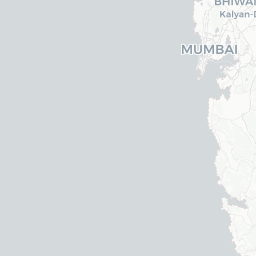
Kalyān is a large, historically layered city in the Thane district of Maharashtra, situated where the Ulhas River meets a broad creek about 54 km northeast of Mumbai. With a population of over 1.2 million, it functions both as an independent urban centre and as a significant satellite city within the Mumbai Metropolitan Region.
The city's importance predates the colonial era. Kalyān was a major medieval trading port known to Arab and Portuguese merchants, and later came under Maratha and British administration. Remnants of that layered history survive in scattered forts, mosques, churches, and temples across the city and its outskirts.
Today Kalyān is best understood as a working city rather than a leisure resort. Travelers tend to visit for its heritage sites, as a convenient rail base for exploring the Sahyadri hill forts and Konkan coast, or simply because they have family or business connections here. It rewards curious, independent travelers willing to look beyond its busy commercial surface.
Before You Go
Visas
India requires a visa for most foreign nationals. For current requirements, entry rules, and e-visa eligibility, check the TravelerPulse Visas section and the official website of the Indian Bureau of Immigration. Do not rely on third-party summaries, as rules change.
Health
Standard precautions for urban India apply: drink bottled or filtered water, be cautious with street food hygiene during the monsoon, and carry a basic first-aid kit. Consult a travel health professional before departure regarding vaccinations and malaria prophylaxis if you plan to travel onward to rural or coastal areas.
What to pack
- Light, breathable cotton clothing year-round; a light layer for December–January evenings
- Modest dress for temple, mosque, and church visits (shoulders and knees covered)
- Good walking shoes; pavements can be uneven
- Cash in INR — many smaller vendors and autorickshaw drivers do not accept cards
- A rain jacket or compact umbrella if visiting June through September
Getting There
By Rail
Kalyān Junction is one of the busiest railway stations in India and the primary gateway to the city. It is the terminus for the Central Line of the Mumbai Suburban Railway, making it directly and frequently connected to Chhatrapati Shivaji Maharaj Terminus (CSMT) and Dadar in Mumbai. Long-distance express and mail trains serving the Konkan Railway, Pune, Nashik, and destinations across India also pass through or originate here. Rail is by far the most practical way to arrive.
By Road
Kalyān is accessible via NH 61 and several state highways. State transport (MSRTC) buses connect the city to Thane, Nashik, Pune, and other Maharashtra towns. Private bus operators also serve longer routes. Road journeys to and from Mumbai are subject to significant traffic congestion, particularly on weekdays.
Nearest Airport
Chhatrapati Shivaji Maharaj International Airport in Mumbai (BOM) is the closest major airport, roughly 50–60 km away depending on the route. Travel time varies considerably with traffic; allow two to three hours by road as a conservative estimate. The suburban train from Kalyān to CSMT, followed by a taxi or metro, is often more predictable than a direct road transfer.
Getting Around
Within the City
Autorickshaws are the dominant mode of local transport and cover most parts of the city and adjoining Dombivli. Meters should be used; verify the current rate card locally as fares are periodically revised. Shared autorickshaws operate on fixed routes and are inexpensive.
App-based cab services (Ola, Uber) are available in Kalyān but availability can be inconsistent compared to Mumbai. For longer day trips to forts or the Konkan, hiring a local taxi or autorickshaw for the day and agreeing on a price upfront is practical.
Kalyān also has local BEST and MSRTC bus services linking it to surrounding towns such as Ambernath, Badlapur, and Ulhasnagar. The suburban railway is useful for reaching those towns efficiently.
Things to See & Do
Kalyān Fort
The remains of the Portuguese-era Kalyān Fort stand near the creek and are the city's most notable historical landmark. The structure is partially ruined but evokes the port town's colonial past. Access and condition should be verified locally before visiting, as preservation work and encroachment have affected the site over the years.
Durgadi Fort
Located in the heart of the city, Durgadi Fort houses a Durgadevi temple within its walls — a blend of martial history and active religious practice. The site is accessible and gives a good sense of the city's Maratha heritage.
Kamba and Headache Lakes (Baravi Lake Area)
The outskirts of Kalyān include reservoir and creek areas popular with local families, particularly during cooler months. These are informal leisure spots rather than developed tourist sites.
Day Trips from Kalyān
Kalyān's rail connections make it an excellent base for day trips:
- Matheran – a car-free hill station accessible via Neral, one stop back toward Mumbai on the Central Line
- Ambernath Shiva Temple – an 11th-century Hemadpanthi-style temple, approximately 15 km away, considered one of the finest examples of ancient temple architecture in the region
- Ulhas Valley forts – Visapur and Lohagad forts in the Sahyadris are reachable by rail to Malavli and then trekking
- Bhimashankar – a Jyotirlinga shrine and wildlife sanctuary in the Sahyadris; longer road journey, best as a full day or overnight
Food & Drink
Kalyān's food scene reflects its diverse, working-class urban population. Maharashtrian, North Indian, and South Indian cuisines are all well represented, primarily in small restaurants, dhabas, and street stalls rather than upscale dining establishments.
What to look for
- Vada pav and misal pav – ubiquitous Maharashtrian street staples available at dozens of stalls around the railway station and market areas
- Seafood – proximity to the coast means fresh fish preparations appear in many local eateries; Konkan-style fish curry and rice is a reliable choice
- South Indian breakfasts – idli, dosa, and filter coffee are widely available given a sizeable South Indian community
- Thali restaurants – unlimited Maharashtrian or Gujarati thalis offer good value and variety for a filling meal
Alcohol is available at licensed establishments and wine shops (look for Maharashtra State CSD or private licensed shops). Many family restaurants are vegetarian-only or do not serve alcohol; check before sitting down if this matters to you.
Shopping
Kalyān is a commercial hub for the surrounding district and has busy traditional markets rather than tourism-oriented craft shops. The areas around Kalyān station and the main Ganesh Ghat Road are dense with textile shops, bangles, household goods, and street vendors.
The city is particularly known locally for its textile and saree trade. If you are interested in Paithani or other Maharashtrian weaves, shops in the main market area stock a range at prices generally lower than Mumbai boutiques, though quality and authenticity vary — inspect carefully.
For everyday shopping, several mid-sized malls and chain supermarkets have opened in recent years, catering to the city's growing middle-class population.
Practical Information
Money
ATMs from major Indian banks (SBI, HDFC, ICICI, Axis) are available throughout the city. UPI-based payments (Google Pay, PhonePe, Paytm) are accepted at many shops and restaurants; it is worth having an INR cash reserve for autorickshaws and small vendors.
Connectivity
SIM cards from Jio, Airtel, and Vi offer good 4G coverage within the city. Foreign visitors should check roaming options or purchase a local SIM on arrival at Mumbai airport or at authorized dealer shops in Kalyān (bring your passport).
Electricity
India uses 230V / 50Hz. Sockets are primarily Type D (three large round pins) and Type C (two round pins). Carry a universal adapter if needed.
Medical
Kalyān has government hospitals and several private clinics and nursing homes. For serious medical needs, Mumbai's larger hospitals are accessible by train. Verify locations and contact details of the nearest hospital upon arrival or through your accommodation.
Emergency Numbers (India-wide)
- Police: 100
- Ambulance: 108
- Fire: 101
- Women's helpline: 1091
Safety
Kalyān is a generally safe city for travelers who exercise standard urban precautions. Petty theft — pickpocketing and bag snatching — can occur in crowded market areas and on the suburban train platforms. Keep valuables secured and be attentive in busy public spaces.
The area around the railway station can be chaotic, especially during peak commuting hours. Solo female travelers report that Kalyān, like many large Indian cities, requires awareness in crowded or poorly lit areas, particularly after dark. Sticking to well-lit, populated streets and using app-based cabs at night is advisable.
Road conditions and driving norms can be challenging for those unaccustomed to Indian traffic. If driving, proceed cautiously; pedestrians and cyclists share space with motorized vehicles with minimal segregation.
Local Culture & Etiquette
Kalyān has a religiously and culturally diverse population, with significant Hindu, Muslim, Christian, and Jain communities — a legacy of its long history as a trading port. Religious festivals animate the city's calendar year-round. Ganesh Chaturthi (August–September) is the most visually spectacular, with large processions and elaborately decorated pandals throughout the city.
The city observes Eid, Diwali, Christmas, and Mahavir Jayanti with equal community participation, and visitors present during any major festival will find the city transformed in atmosphere.
As in much of Maharashtra, removing footwear before entering places of worship is expected. Dress modestly at religious sites. Asking before photographing people or religious ceremonies is respectful practice.