Translate


Overview
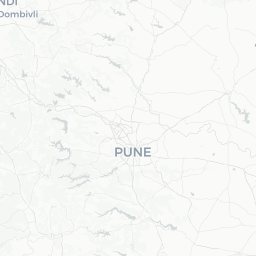
Pune is Maharashtra's second-largest city, sitting on the Deccan Plateau at roughly 560 metres above sea level, about 150 km southeast of Mumbai. With a population of over three million in the city proper, it functions as a significant educational, cultural, and economic hub — home to institutions such as the University of Pune (Savitribai Phule Pune University), the Film and Television Institute of India (FTII), and a large cluster of IT and manufacturing companies.
The city carries a layered history. It served as the seat of the Peshwa rulers of the Maratha Empire in the 18th century, and that legacy survives in temples, wadas (traditional mansion complexes), and civic culture. The British Raj left its mark too, particularly in the cantonment area of Pune, which retains wide boulevards, colonial-era architecture, and some of the country's oldest military institutions.
Modern Pune is energetic without being overwhelming. Its relatively mild climate, walkable pockets, and a dense concentration of cafés, bookshops, and music venues make it popular with both long-stay visitors and those using it as a base for exploring the Sahyadri (Western Ghats) hill forts nearby.
Before You Go
Visas
Most foreign nationals require a visa to enter India. Requirements vary significantly by nationality, purpose, and length of stay. Check TravelerPulse's Visas section and the official Indian government immigration portal for current, authoritative information before booking anything.
Health
Consult a travel medicine specialist or your GP at least four to six weeks before travel. Standard precautions for India apply: be cautious about tap water (drink bottled or filtered water), food hygiene in informal settings, and mosquito-borne illnesses. Pune sits at moderate elevation, which tempers heat but does not eliminate health risks common across the subcontinent. Carry any prescription medicines in their original packaging with documentation.
Climate
Pune has three broad seasons: a dry, mild winter (November–February) that is the most comfortable time to visit; a hot, dry pre-monsoon period (March–May) when temperatures can exceed 40 °C; and a monsoon season (June–September) that brings substantial rainfall and lush scenery but can disrupt travel plans, particularly day trips to hill forts. October is a pleasant transitional month with receding rains and cooler air.
Money
ATMs are widely available across the city. International debit and credit cards are accepted at larger hotels, malls, and restaurants, but smaller eateries, auto-rickshaws, and local shops typically expect cash. Notify your bank before travel. UPI (Unified Payments Interface) digital payments are ubiquitous among local vendors, though foreign cards generally cannot be linked to UPI accounts without an Indian phone number — carry sufficient rupee cash for daily expenses.
Getting There
By Air
Pune International Airport (PNQ), located in the Lohegaon area in the northeast of the city, handles domestic routes to most major Indian cities as well as a limited number of international connections. Ground transport from the airport to central Pune takes roughly 30–60 minutes depending on traffic. Prepaid taxi and app-based cab services are available outside the arrivals hall. Verify current route availability and schedules directly with airlines, as these change frequently.
By Train
Pune Junction is the main railway station and is well connected to Mumbai (a journey of roughly 3–4 hours by express trains), as well as other Maharashtra cities and long-distance routes across India. The Deccan Queen and Shatabdi are among the named express services on the Mumbai–Pune corridor. Book tickets through the official Indian Railways reservation system (IRCTC) in advance, especially for weekend or holiday travel.
By Road
Pune is connected to Mumbai via the Mumbai–Pune Expressway, one of India's better-maintained toll highways. Long-distance buses, including state-run Maharashtra State Road Transport Corporation (MSRTC) services and private operators, link Pune to cities throughout Maharashtra and neighbouring states. Journey times on road can vary considerably with traffic, particularly on the expressway approach to Mumbai.
Getting Around
Auto-Rickshaws
Three-wheeled auto-rickshaws are the default mode of short-distance travel for most residents and visitors. They operate on meters, though in practice you may need to insist on meter use or negotiate the fare before boarding. They are not permitted in certain restricted zones, including parts of the cantonment.
App-Based Cabs
Ola and Uber both operate in Pune and are generally reliable for airport transfers and longer city journeys. Fares are shown upfront in the apps. These services require a working mobile data connection and an account.
City Bus (PMPML)
The Pune Mahanagar Parivahan Mahamandal Ltd (PMPML) operates an extensive bus network covering the city and Pimpri-Chinchwad. Fares are low but routes and scheduling can be difficult to navigate for first-time visitors. Real-time route information is worth verifying locally or via the operator's resources.
Metro
Pune Metro (Maha-Metro) is operational on initial corridors and expanding. Check current operational lines and stations before planning trips, as the network is still developing at the time of writing.
Walking and Cycling
Central areas such as Koregaon Park, Camp (Cantonment), and Deccan Gymkhana are relatively walkable if you are comfortable with mixed traffic and variable footpath quality. Cycling is popular among residents but requires caution on busier roads.
Things to See & Do
Historical and Cultural Sites
- Shaniwar Wada – The ruins of the 18th-century Peshwa palace complex in the old city. The outer walls and entrance gates survive largely intact. A light-and-sound show runs on most evenings; verify current timings and admission fees locally or at the site.
- Aga Khan Palace – A significant site in India's independence history: Mahatma Gandhi and other leaders were interned here during the Quit India Movement. The palace now houses a small Gandhi memorial and museum.
- Lal Mahal – A reconstructed palace associated with the childhood of Chhatrapati Shivaji Maharaj, located in the old city.
- Raja Dinkar Kelkar Museum – An extensive and eclectic private collection assembled by D.K. Kelkar, covering everyday objects, musical instruments, weaponry, and decorative arts from across India spanning several centuries. One of Pune's most rewarding museum visits.
Temples and Religious Sites
- Dagdusheth Halwai Ganesh Mandir – One of Pune's most revered Ganesh temples, particularly busy during Ganesh Chaturthi. Centrally located and accessible year-round.
- Pataleshwar Cave Temple – A rock-cut Shiva temple dating to the 8th century CE, located in the Jangli Maharaj Road area. Small but historically significant.
- ISKCON Pune – A large Hare Krishna temple and complex in the Katraj area, open to visitors of all backgrounds.
Parks and Natural Spaces
- Osho International Meditation Resort – A well-known ashram and meditation centre in Koregaon Park. Visitors require registration and an on-site health screening before participating; check the centre's own website for current entry requirements and protocols, as these are distinct from standard tourist attractions.
- Pune-Okayama Friendship Garden (Pu La Deshpande Garden) – A Japanese-style garden near Parvati Hill, popular for morning walks.
- Parvati Hill – A hilltop temple complex offering panoramic views over the city; accessible via a stepped climb.
Day Trips to Hill Forts
The Sahyadri ranges around Pune contain some of Maharashtra's most impressive Maratha-era hill forts. Sinhagad Fort (roughly 30 km southwest) is the most accessible and popular. Rajgad, Torna, and Purandar forts are also within reasonable day-trip range. Trails vary in difficulty; conditions change significantly in monsoon. Hire a local guide for forts you are unfamiliar with.
Food & Drink
Maharashtrian Cuisine
Pune is a good place to eat authentic Maharashtrian food. Look for misal pav (sprouted lentil curry with bread rolls, typically eaten at breakfast or brunch), vada pav (spiced potato fritter in a bread roll, a staple street food), puran poli (sweet stuffed flatbread, especially common during festivals), and bhakri (unleavened bread made from jowar or bajra, served with vegetables and chutneys). Traditional Maharashtrian thali restaurants offer a broad sampling of regional dishes in a single sitting.
Café Culture
Pune has a well-established café scene fed in part by its large student and young professional population. The Deccan Gymkhana, Koregaon Park, Kalyani Nagar, and Camp areas have concentrations of independent coffee shops and bakeries. Several old Irani cafés — a legacy of Zoroastrian migration from Iran in earlier centuries — survive in the city; these characteristically serve simple food, bun maska (bread with butter), and chai in a no-frills setting.
Dining Options
Beyond Maharashtrian food, Pune has a wide range of North Indian, South Indian, Chinese (often in an Indian-adapted style), and international cuisine, particularly in newer commercial areas. Vegetarian options are abundant throughout the city. Street food is a significant part of daily eating culture; standard hygiene awareness applies when eating from roadside stalls.
Alcohol
Alcohol is legally available in Maharashtra. Licensed bars, restaurants, and wine shops (government-licensed liquor stores) operate in the city. Pune has a moderate bar and pub scene, particularly in Koregaon Park and Camp. Be aware that alcohol is not available on certain dry days designated by state or national law; verify dates if relevant to your visit.
Shopping
What to Look For
Pune is not a major craft-production centre in the way some other Indian cities are, but it offers solid options for regional textiles and everyday goods. Paithani sarees (silk sarees with distinctive zari borders originating from Paithan in Aurangabad district) are sold in specialist textile shops and are a significant purchase for those interested in traditional weaving. Pune also has a market for Kolhapuri chappals (handmade leather sandals with origins in the Kolhapur region), books (the city has several well-regarded independent bookshops), and fresh agricultural produce.
Where to Shop
- Laxmi Road and Tulsi Baug market – Dense, traditional shopping streets in the old city for everyday goods, clothing, and household items at local prices.
- MG Road (Camp area) – A mix of older shops, chain stores, and restaurants in the cantonment neighbourhood.
- Malls – Several large shopping malls operate in Pune (Phoenix Marketcity, Amanora Mall, and others); useful for familiar retail and air-conditioned browsing. Verify current tenants and hours locally.
- Antique and curio shops – The Camp area has a scatter of shops selling antiques, silverware, and collectibles; quality and authenticity vary, so buy only from sellers you trust and be aware of regulations on exporting antiques from India.
Practical Information
Emergency Numbers
India's national emergency number is 112 (police, fire, ambulance). Verify locally whether specific city services use different numbers.
SIM Cards and Connectivity
Prepaid SIM cards from major Indian operators (Jio, Airtel, Vi) are available at the airport and at authorised retail shops. Foreign nationals require a passport and a passport-size photograph for registration; the activation process can take a few hours. Free Wi-Fi is available in many cafés and hotels.
Electricity
India uses 230V AC, 50Hz. Standard plug types are the three-round-pin Indian type (Type D/M) and the two-round-pin European type. Carry a universal adaptor. Power cuts, though less frequent than in some other Indian cities, do occur.
Tipping
Tipping is not mandatory but is customary in restaurants (10% of the bill is typical if service charge is not already included), for hotel porters, and for guides. Auto-rickshaw drivers do not typically expect tips but rounding up the fare is common.
Time
India Standard Time (IST) is UTC+5:30. India does not observe daylight saving time.
Safety
Pune is considered one of the relatively safer large cities in India, though standard urban precautions apply. Keep valuables secured and be alert in crowded markets and transport hubs where pickpocketing can occur. Use app-based or prepaid taxis rather than accepting unsolicited transport offers, particularly at the airport or railway station.
Traffic is the most consistent hazard for visitors: road conditions, driving patterns, and pedestrian crossings differ significantly from Western norms. Cross roads carefully and do not assume vehicles will stop. If renting a motorcycle or scooter, wear a helmet (legally required) and ensure you hold a valid international driving permit.
For women travellers, Pune is broadly considered manageable, but the same general awareness advised for Indian cities applies: avoid isolated areas after dark, prefer app-based transport at night, and trust your instincts in unfamiliar situations.
Health infrastructure in Pune is reasonably well developed relative to smaller Indian cities. Several private hospitals and clinics operate in the city. Travel insurance covering medical evacuation is strongly recommended for all visitors.
Local Culture & Etiquette
Pune has a distinct cultural identity anchored in Marathi language and the legacy of the Peshwa period. It has historically been a centre of Marathi literature, theatre, classical music (particularly Hindustani classical), and social reform movements — figures such as social reformers Jyotirao and Savitribai Phule and Bal Gangadhar Tilak were active here.
Ganesh Chaturthi is the city's most significant festival. Pune's celebration, particularly the procession of large public Ganesh idols (notably the Kasba Ganesh and Tambdi Jogeshwari idols), is one of the largest and most elaborate in India, drawing enormous crowds in late August or September (date varies by Hindu calendar). If you visit during this period, expect major traffic disruption but a genuinely spectacular communal event.
Pune also has an active performing arts scene. The Bal Gandharva Rang Mandir and other venues host Marathi theatre (natak), classical concerts, and contemporary performances. Check local listings on arrival for current programmes.
Dress modestly when visiting temples and religious sites: cover shoulders and knees, and remove footwear before entering places of worship. Photography restrictions vary by site — observe posted signs and ask if unsure.