Overview
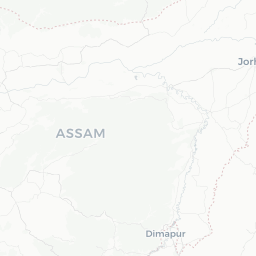
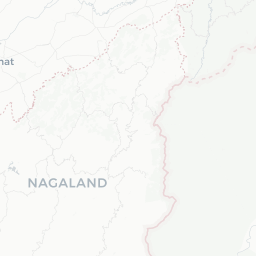
Kohima is the capital of Nagaland, a small hill state in India's far northeast, sitting at roughly 1,500 metres above sea level in the Naga Hills. With a population of around 99,000, it is a compact city that serves as the cultural and administrative heart of Nagaland.
The city is best known internationally for the Battle of Kohima (1944), a pivotal and brutal engagement of World War II in which Allied forces halted the Japanese advance into India. The Commonwealth War Graves Commission cemetery on Garrison Hill is one of the most visited sites in the entire northeast region and carries significant emotional weight for British, Indian, and Japanese visitors alike.
Beyond its wartime significance, Kohima is a gateway into Naga tribal life. The Naga people comprise more than a dozen distinct tribes, each with its own language, dress, and traditions. The city's weekly market, its Angami Naga village, and the broader cultural calendar offer travelers genuine insight into a part of India that remains less visited and culturally distinct from the rest of the subcontinent.
The surrounding landscape — forested ridges, terraced fields, and mist-covered valleys — adds a scenic backdrop that rewards those willing to make the journey to this remote capital.
Before You Go
Inner Line Permit (ILP)
Nagaland is a Protected Area under Indian law, and all non-Nagaland residents — including Indian citizens from other states — are required to hold an Inner Line Permit (ILP) before entering. Foreign nationals must obtain a separate permit; requirements and procedures can change, so verify current rules through India's official immigration authority (Foreigners Regional Registration Office, FRRO) and check TravelerPulse's Visas section for the latest guidance before booking travel.
The ILP for Indian nationals can typically be obtained online through the Nagaland government's e-ILP portal or at designated offices in Dimapur, Guwahati, Kolkata, Delhi, and a few other cities. Carry physical or digital copies at all times — checkpoints exist on road approaches to the city.
Health
- Consult a travel health professional well before departure regarding malaria prophylaxis, as parts of Nagaland carry risk, particularly during and after monsoon season.
- Routine vaccinations (typhoid, hepatitis A, tetanus) are advisable; verify with your own doctor.
- Medical facilities in Kohima are limited by the standards of a state capital. Serious conditions may require evacuation to Guwahati or beyond. Travel insurance with medical evacuation coverage is strongly recommended.
Connectivity and Cash
ATMs exist in Kohima but can run out of cash or be unreliable; carry sufficient INR. Mobile data coverage (4G) is available from major Indian carriers but can be patchy in surrounding hills. Download offline maps before you arrive.
Getting There
By Air
The nearest commercial airport is Dimapur Airport (DMU), approximately 74 km from Kohima. Dimapur has connections to Kolkata, Guwahati, Delhi, and a few other Indian cities, though routes and frequencies vary by season and carrier — check current schedules directly with airlines or booking platforms. From Dimapur airport, shared taxis and private cabs make the roughly 2.5–3-hour road journey to Kohima; confirm fares locally before boarding.
By Train
Dimapur is also the nearest major railhead and is connected to broader Indian rail networks. The journey from Dimapur to Kohima is then completed by road. There is no railway line to Kohima itself.
By Road
Kohima is connected by national highways to Dimapur and, further afield, to Imphal (Manipur) via NH-2 (formerly NH-39). State-run and private bus services operate between Dimapur and Kohima. The roads are hilly and can be affected by landslides during and just after the monsoon (roughly June–September); build flexibility into your schedule if traveling by road in that period.
Getting Around
Kohima is a hilly city and walking between points of interest can involve significant elevation changes. Most travelers rely on shared or private taxis, which are the dominant form of local transport. Auto-rickshaws are less common here than in flatter Indian cities.
Ride-hailing apps widely used elsewhere in India have limited or no coverage in Kohima; arrange taxis through your accommodation or negotiate directly at taxi stands. For day trips to sites outside the city (such as Dzükou Valley or Khonoma Village), hiring a car with a driver for the day is the most practical option — your hotel or a local travel agent can help arrange this.
The city's streets are narrow in many areas and traffic can be slow. Allow more time than distances on a map suggest.
Things to See & Do
War Cemetery and Battle of Kohima Sites
The Kohima War Cemetery, maintained by the Commonwealth War Graves Commission, is located on Garrison Hill and commemorates the soldiers who died in the 1944 battle. The famous epitaph — "When you go home, tell them of us and say, for your tomorrow, we gave our today" — is inscribed on the memorial. Entry is free; verify opening hours locally. The nearby Kohima War Memorial Museum provides contextual exhibits on the campaign.
Hornbill Festival
Held annually at the Naga Heritage Village (Kisama) just outside Kohima, typically in the first week of December, the Hornbill Festival is a state-organized celebration showcasing the traditions, crafts, music, dance, and food of Nagaland's tribes. It is one of the most substantive cultural festivals in northeast India and draws both domestic and international visitors. Book accommodation well in advance if visiting during this period.
Naga Heritage Village (Kisama)
Located roughly 12 km from Kohima, Kisama is a permanent open-air heritage complex with traditional morung (communal houses) representing different Naga tribes. It is the main venue for Hornbill Festival but is open year-round; confirm current hours and admission fees locally.
Khonoma Village
Often described as India's first green village, Khonoma (about 20 km from Kohima) is an Angami Naga village with a strong conservation ethic, terraced agriculture, and a community-managed nature reserve. It offers a more immersive look at traditional Naga village life than the city itself. Day trips can be arranged; overnight homestays may also be available — verify locally.
Dzükou Valley
A high-altitude valley on the Nagaland-Manipur border, famous for seasonal wildflowers (notably the Dzükou lily in July–August) and trekking. The trek typically begins from Viswema village. It requires a full day at minimum and overnight camping is an option; check trail conditions, permits, and current access requirements before setting out.
Kohima State Museum
The state museum covers Naga history, ethnology, and natural history. A worthwhile stop for background context before exploring the wider region. Verify hours and admission locally.
Food & Drink
Naga cuisine is one of the most distinctive regional food traditions in India, characterized by the use of fermented ingredients, smoked and dried meats, local herbs, and — notably — the Naga chili (Raja Mircha / Bhut Jolokia), which is among the hottest chili varieties in the world. Approach heat levels with genuine caution if you are not accustomed to very spicy food.
Common dishes include smoked pork with fermented bamboo shoot, axone (fermented soybean), and various preparations of chicken, beef, and fish alongside rice. Vegetarian options exist but are less central to traditional Naga cooking; inform restaurants of dietary requirements in advance.
Kohima has a range of local eateries, small restaurants, and a growing number of establishments that serve Naga cuisine alongside more familiar Indian dishes. The local market areas are good places to observe and sample food. Alcohol is legally available in Kohima (Nagaland's prohibition laws have evolved over time; verify the current situation locally, as rules can apply differently in different localities).
As with any destination in this region, drink bottled or treated water and exercise standard food hygiene caution, particularly with street food during warmer months.
Shopping
Kohima's markets are the best places to find locally made crafts and textiles. Naga shawls — woven in patterns specific to individual tribes — are among the most sought-after souvenirs and are genuinely distinctive. Bamboo and cane crafts, wood carvings, and beadwork are also available.
The main commercial market area in central Kohima, along with the weekly Wednesday market (locally significant; verify current schedule), offers a mix of everyday goods and handicrafts. The Hornbill Festival market at Kisama in December is an especially good venue for purchasing authentic crafts directly from artisans.
When buying textiles or craft items, ask about the origin and whether the item is handmade — machine-woven imitations do exist. Prices are generally negotiable in market settings.
Practical Information
Emergency Contacts
Verify current local emergency numbers on arrival. In India, the general emergency number is 112. For police: 100, ambulance: 108 — though response capacity in a hill city like Kohima may differ from major urban centers.
Medical
Kohima has government and private hospitals; for serious medical issues, Dimapur has better-equipped facilities, and Guwahati (Assam) is the main regional medical hub. Travel insurance with emergency evacuation cover is strongly advised.
Connectivity
Major Indian SIM cards (Airtel, Jio, BSNL) work in Kohima with variable coverage. Foreigners need to register their SIM; requirements follow Indian telecommunications rules — verify the current process with your provider.
Power
India uses 230V/50Hz electricity. Socket types commonly found are Type C, D, and M. Power cuts can occur; carry a portable charger.
Photography
Ask permission before photographing people, especially in villages and at cultural events. Some tribal communities have strong feelings about uninvited photography. At war sites, behave with appropriate respect.
Safety
Kohima and Nagaland more broadly have become considerably more stable and accessible to visitors over the past two decades. The city itself is generally safe for travelers exercising standard precautions.
That said, the broader northeast India region has historically had areas of political sensitivity and, in some cases, active insurgency in remote zones. Check your government's current travel advisory for Nagaland before finalizing plans — advisories from the UK Foreign Office (gov.uk/foreign-travel-advice), the US State Department (travel.state.gov), and equivalent bodies are regularly updated.
Road safety is a genuine consideration: mountain roads can be narrow, poorly lit, and subject to landslides, and driving standards vary. Use reputable transport and avoid long road journeys after dark where possible.
Local Culture & Etiquette
Nagaland is predominantly Christian, a legacy of Baptist missionary activity beginning in the 19th century. Churches are prominent in Kohima's landscape and Sunday is widely observed as a day of rest — some businesses and eateries may be closed or have reduced hours.
Naga society retains strong connections to tribal identity. Each of Nagaland's major tribes — including the Angami (whose traditional territory includes Kohima), Ao, Sumi, Lotha, and others — maintains distinct customs, dress, and in many cases, language. Travelers are generally welcomed warmly, but a respectful, curious approach goes much further than assumptions drawn from generalized ideas about "tribal" cultures.
If invited into a home or village, accept hospitality graciously; removing footwear before entering homes is customary in many contexts. Dress modestly, particularly when visiting churches or traditional village areas. During the Hornbill Festival, some cultural performances and artifacts carry ceremonial significance — follow cues from hosts and guides rather than treating everything as a photo opportunity.