Overview
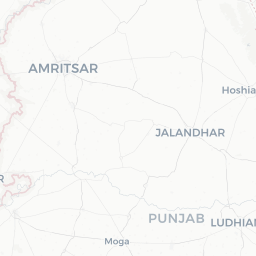
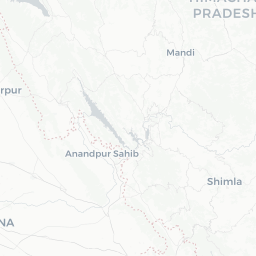
Bathinda is a mid-sized city in the Malwa region of southwest Punjab, sitting on the edge of the Thar Desert's influence zone. With a population of roughly 285,000, it is one of the more significant urban centres in this part of the state — a working city shaped by agriculture, energy infrastructure, and a long military and trade history.
The city is best known beyond Punjab for Qila Mubarak, one of the oldest surviving brick forts in northern India, which has associations stretching back to early medieval times and, more famously, with the Mughal empress Razia Sultan. Beyond that single landmark, Bathinda rewards the curious traveller with a lived-in Punjab experience — bustling grain markets, a notable rose cultivation industry, and the unhurried pace of a city that does not depend on tourism.
Bathinda functions as an important railway junction connecting Rajasthan, Delhi, and the rest of Punjab, which means it is practical to pass through even if you are not staying long. Visitors combining it with Amritsar, Anandpur Sahib, or a trip into Rajasthan will find it a convenient and genuinely interesting stop rather than a mere transit point.
Before You Go
Visas
India requires a visa for most foreign nationals. For current requirements specific to your nationality, visit TravelerPulse's Visas section and check the official Indian immigration authority (Bureau of Immigration, India) or your nearest Indian embassy or consulate. Do not rely on third-party summaries for visa rules, as these change.
Health
No vaccinations are mandatory for entry from most countries, but standard travel health advice for India applies — consult your doctor or a travel clinic before departure regarding hepatitis A, typhoid, and routine immunisations. In summer months (May–July) Bathinda can see extreme heat; heat-related illness is a genuine risk. Carry oral rehydration salts and drink bottled or purified water.
Money
ATMs are available across the city. Smaller shops, dhabas, and auto-rickshaw drivers generally operate on cash. Inform your bank of travel plans before departure. UPI-based payments (Google Pay, PhonePe) are widely accepted at mid-range and larger establishments.
What to pack
- October–March: Layers are essential; Punjab winters can be sharply cold overnight.
- April–June: Lightweight, breathable clothing and strong sun protection; temperatures regularly exceed 40 °C.
- July–September: Light clothing plus a rain layer for the monsoon.
Getting There
By Air
Bathinda has a civil airport (Bhisiana Air Force Station handles limited civilian operations — verify current commercial services locally or through airline booking platforms before planning). The nearest major international airport is Sri Guru Ram Dass Jee International Airport in Amritsar, roughly 200 km to the north. Chandigarh International Airport is another option, approximately 220 km away. From either, onward travel by train or hired car is practical.
By Train
Bathinda Junction is the most convenient and reliable way to arrive. It is a major railway junction on the Northwest Railway zone, with direct or straightforward connections to Delhi, Amritsar, Firozpur, Bikaner (Rajasthan), and several other cities. Check current timetables and book tickets on the Indian Railways official booking platform (IRCTC) or verify locally, as schedules change seasonally.
By Road
Bathinda is well connected by National Highway and state highways to Chandigarh, Amritsar, Patiala, and across the border into Rajasthan (Hanumangarh, Bikaner). State bus services (Punjab Roadways/PRTC) operate from the main bus stand. Private buses and shared taxis are also available on major corridors. Road travel in summer requires preparation for heat and limited services on some stretches.
Getting Around
Bathinda is compact enough that auto-rickshaws and cycle-rickshaws cover most visitor needs within the city. App-based cab services (such as Ola) operate here — verify availability on the app before relying on them. For sights within the city centre, walking is feasible in cooler months.
For day trips to the thermal power plant viewpoints, the rose fields (in season), or outlying religious sites, hiring a local auto-rickshaw by the hour or negotiating a full-day rate is the most practical approach. Agree on the fare before setting off. There is no urban metro or dedicated tourist transport system.
Cycle-rickshaws are inexpensive for short hops and widely available near the railway station and main bazaar areas.
Things to See & Do
Qila Mubarak
The city's defining landmark. This brick fort is believed to date in its earliest form to around the 3rd century CE, though its current structure reflects later medieval and early Mughal-era construction. Razia Sultan, the 13th-century Delhi Sultanate empress, is said to have been imprisoned here. There is also a small museum inside the complex. Visit in the morning for the best light and fewer crowds. Opening hours and admission fees — verify on-site or through the Archaeological Survey of India (ASI) before visiting, as these details are subject to change.
Rose Gardens and Nurseries
Bathinda has a significant commercial rose cultivation industry, and during the winter-to-spring flowering season (roughly December to February), the outskirts of the city offer a distinctive spectacle. The city maintains public rose gardens including one near the thermal plant area. Visit early morning when the flowers are freshest.
Bahia Fort (Bahadurgarh Fort Remains)
A lesser-visited historical site on the city's edge. Little remains, but it provides context for the region's layered military history. Best treated as an add-on rather than a standalone visit.
Thermal Power Plant Viewpoint
Bathinda's thermal power station and its prominent cooling towers are a visual landmark of the city. While access inside is restricted, the approach roads offer views that define Bathinda's industrial identity. Of interest to those curious about India's energy infrastructure.
Haji Rattan Dargah (Mazaar of Sheikh Haji Rattan)
A Sufi shrine of considerable local significance. The site draws visitors from across the region and is an example of Punjab's deep syncretic religious tradition. Dress modestly when visiting.
Food & Drink
Bathinda eats like most of rural and semi-urban Punjab — generously, with dairy, wheat, and lentils forming the backbone of the diet. Makki di roti (cornbread) with sarson da saag (mustard greens) is a seasonal winter staple that is genuinely excellent here, prepared in homes and roadside dhabas alike.
What to eat
- Dhabas near the railway station and main bazaar: Reliable, inexpensive, and the best introduction to everyday Punjabi food — dal makhani, rajma, stuffed parathas with white butter.
- Street food: Chole bhature, samosas, and jalebi are widely available and worth trying from busy stalls with high turnover.
- Lassi: Thick, full-fat Punjabi lassi served in clay cups is a non-negotiable experience.
Alcohol
Punjab permits the sale and consumption of alcohol. Licensed liquor shops operate in the city. Most smaller dhabas and traditional eateries are non-alcoholic; hotels and some restaurants may serve beer and spirits — verify with the establishment.
Practicalities
Stick to freshly cooked food from busy establishments. Avoid raw salads and unpeeled fruit from street vendors if your stomach is not accustomed to the local food environment. Bottled water is widely available.
Practical Information
Emergency Numbers (India-wide)
- Police: 100
- Ambulance: 108
- Fire: 101
- Unified emergency number: 112
Verify that these numbers are active in Punjab before travel, as local variations can apply.
Connectivity
SIM cards from major Indian operators (Jio, Airtel, Vi) are available in the city. Foreign nationals purchasing a SIM will need their passport, visa, and a local address (hotel details generally suffice). Mobile data coverage within the city is generally good on 4G networks.
Medical
Bathinda has government hospitals and private clinics. For serious medical needs, verify the nearest well-equipped facility locally upon arrival. Travel health insurance that includes medical evacuation is strongly advised for international visitors.
Banking Hours and Shops
Banks and government offices generally follow standard Indian business hours (roughly 10 am–4 pm on weekdays); verify locally as hours shift with seasons and public holidays. Shops in bazaars often open later and close later, staying open into the evening.
Safety
Bathinda is a generally low-key city with no specific safety concerns that would distinguish it from comparable Indian cities. Standard urban travel precautions apply: keep an eye on bags in crowded markets and at the railway station, use metered or agreed-fare autos rather than unmarked vehicles, and avoid poorly lit areas late at night.
Solo female travellers should be aware that Bathinda, like much of small-city India, involves a higher degree of public attention than urban centres like Delhi or Mumbai. Dressing conservatively (covering shoulders and knees) reduces unwanted attention and is also appropriate for the many religious sites in the region. Travelling in pairs in the evening is advisable.
Road safety is a concern across Punjab, particularly on highways. If hiring a private vehicle or taxi for longer distances, choose established operators and do not travel late at night on rural roads.
Local Culture & Etiquette
Bathinda sits in the Malwa belt of Punjab, a region with its own distinct cultural identity within the broader Punjabi world. The dialect spoken here (Malwai Punjabi) differs subtly from the Majhi dialect spoken around Amritsar. Visitors will find the city deeply agricultural in its rhythms — the calendar turns with sowing and harvest seasons, and festivals like Baisakhi (April) carry genuine community weight.
The city has a mixed religious heritage. Sikh gurdwaras are central to daily life, and there are also Hindu temples and the Haji Rattan Dargah, reflecting Punjab's historically layered religious culture. At places of worship, cover your head (a cloth or scarf is sufficient), remove shoes before entering, and dress modestly. Photography policies vary — ask before pointing a camera inside religious sites.
Punjabi hospitality is well earned as a reputation. If you are invited to share a meal, accepting graciously is appreciated. Declining food offered in a home or by a host can read as dismissive in this cultural context, though a polite explanation of dietary restrictions is always understood.