Translate
Overview
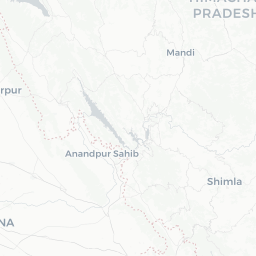
Dehradun sits in the Doon Valley between the Shivalik Hills to the south and the Garhwal Himalayan ranges to the north, at roughly 450 metres above sea level. The Ganges and Yamuna river systems flank it on either side, giving the valley its famously mild, year-round climate compared to the plains below.
The city has been a significant administrative and educational centre since the colonial era. It is home to some of India's most prestigious institutions — the Indian Military Academy, the Survey of India, the Wildlife Institute of India, and the Forest Research Institute — lending it a civic character distinct from typical tourist towns.
Dehradun functions primarily as a transit hub for travellers heading to Mussoorie, Rishikesh, Haridwar, and the Char Dham pilgrimage circuit. However, the city itself rewards a short stay with colonial-era architecture, a relaxed pace relative to larger Indian metros, good food, and a handful of natural and historical attractions worth exploring on their own terms.
The broader Doon Valley has seen rapid population and infrastructure growth since Uttarakhand was carved out as a separate state in 2000, with Dehradun serving as the state's interim capital. This growth has intensified traffic in parts of the city, so building buffer time into your itinerary is sensible.
Before You Go
Visas
Most foreign nationals require a visa to enter India. Requirements, e-visa eligibility, and processing times vary by nationality and can change. Check TravelerPulse's Visas section and verify current rules with India's Bureau of Immigration at the official government portal before booking.
Health
Consult a travel medicine clinic 4–6 weeks before departure. Routine vaccinations should be up to date. Hepatitis A and typhoid vaccines are commonly recommended for India travel. If you plan to trek in higher Himalayan areas accessible from Dehradun, discuss altitude considerations with your doctor. Drink bottled or purified water; avoid uncooked street food if your stomach is not accustomed to the local microbiome.
When to Go
- October–November: Clear skies after the monsoon, excellent mountain views, comfortable temperatures.
- March–June: Warm and dry; popular with families during school holidays. May and June can be hot in the valley itself.
- July–September: Monsoon season brings heavy rainfall, landslide risk on mountain roads, and reduced visibility. Travel to higher elevations requires extra caution.
- December–February: Cool to cold winters; the surrounding hills may see frost or snow, which some visitors enjoy.
What to Pack
Light layers are adequate for most of the year. Evenings can be cool even in summer. A light rain jacket is useful from March onward. Modest clothing is respectful near temples and religious sites.
Getting There
By Air
Jolly Grant Airport (airport code: DED) is located roughly 25 km from the city centre. It receives domestic flights from major Indian cities including Delhi, Mumbai, and Bengaluru. Flight schedules and operators change seasonally — verify current routes and frequencies with airlines directly. Pre-paid taxis and app-based cabs are available from the airport; verify fares locally.
By Train
Dehradun Railway Station is a terminus on the Indian Railways network and has direct train connections to Delhi (New Delhi, Hazrat Nizamuddin), Mumbai, Varanasi, and other major cities. The Shatabdi Express and several overnight services run between Delhi and Dehradun; book well in advance during peak seasons on the IRCTC platform (irctc.co.in).
By Road
Dehradun is approximately 300 km from Delhi via National Highway 58 / NH 334. Volvo and ordinary bus services operate from Delhi's ISBT Kashmere Gate and Anand Vihar terminals; the journey typically takes 6–8 hours depending on traffic and conditions. Private taxis and self-drive car hire from Delhi are also common options. Road conditions can deteriorate during the monsoon — check before travel.
Getting Around
Within the City
App-based ride-hailing services (Ola, Uber) operate in Dehradun and are a practical option for most visitors. Auto-rickshaws are widely available and should be metered or negotiated in advance. Shared Vikram (tempo) vehicles run fixed routes through the city at low cost but require some local knowledge to navigate.
To Nearby Destinations
Regular bus and shared taxi services connect Dehradun to Mussoorie (roughly 35 km, 1–1.5 hours), Rishikesh (roughly 45 km), and Haridwar (roughly 55 km). Buses depart from the Inter-State Bus Terminal (ISBT) on Haridwar Road. Shared taxis for Mussoorie typically leave from near the Gandhi Park area — verify the current departure point locally as these can shift.
Driving and Parking
Renting a private cab with driver for day trips into the surrounding hills is convenient and commonly offered by local tour operators. Traffic in central Dehradun — particularly around Paltan Bazaar and Clock Tower — can be congested; allow extra time.
Things to See & Do
Forest Research Institute (FRI)
Founded in 1906, the FRI campus is one of the most architecturally striking colonial-era complexes in northern India, built in a blend of Greco-Roman and colonial styles. It houses several natural history and forestry museums covering topics from timber to entomology. Admission fees and opening hours should be confirmed at the site or via the institute's official channels before visiting.
Robber's Cave (Guchhupani)
A natural cave formation on the outskirts of the city where a stream runs through the rock, creating a cool, walkable gorge. It is a popular local picnic spot. Entry fees apply; verify locally. The site can be crowded on weekends.
Tapkeshwar Temple
A Shiva temple built around a natural cave where water drips continuously over a Shivalinga. The setting on the banks of the Asan river makes it a peaceful site. It is an active place of worship, so respectful behaviour and modest dress are expected.
Mindrolling Monastery
One of the largest Buddhist centres in India, founded by the Tibetan Nyingma school. The Great Stupa (Mahaparinirvana Stupa) on the grounds is visually impressive and open to visitors. Verify current visiting hours before going.
Sahastradhara
A sulphur spring and waterfall area northeast of the city, known locally for purported therapeutic properties of the water. The site includes a ropeway to a viewpoint. It is a popular day-trip destination for local families.
Day Trips and Excursions
- Mussoorie: The nearest hill station, about 35 km away, offering cooler temperatures and views of the Himalayan ranges.
- Rishikesh: Significant Hindu pilgrimage town and global centre for yoga; also a base for white-water rafting on the Ganges.
- Haridwar: One of the most sacred cities in Hinduism, known for the Ganga Aarti at Har Ki Pauri.
Food & Drink
Local Flavours
Dehradun is the origin of the prized Basmati rice variety, and rice-based dishes feature prominently. The city and surrounding Garhwal region have their own culinary traditions — dishes like Aloo Ke Gutke (spiced potatoes), Kafuli (a leafy green curry), and various dal preparations are part of the local repertoire. These are more readily found at dhabas and local restaurants than at tourist-oriented establishments.
Where to Eat
Paltan Bazaar and Rajpur Road are the main commercial arteries and have a broad range of dining options from street stalls to sit-down restaurants serving North Indian, South Indian, Chinese-Indian (Indo-Chinese), and fast food. The area around Clock Tower is good for inexpensive street food. Rajpur Road tends to have more upscale and café-style options popular with students and professionals.
Practical Notes
- Vegetarian options are plentiful throughout the city.
- Many restaurants are licensed to serve alcohol; check locally as licensing and rules vary.
- Stick to freshly cooked, hot food from busy stalls to minimise food safety concerns.
- Filtered or bottled water is recommended.
Shopping
Paltan Bazaar is the city's primary market area and a good place to browse clothing, household goods, and everyday items. It gives a realistic picture of how local residents shop and is less tourist-oriented than bazaars in nearby Mussoorie or Haridwar.
The Tibetan Market near the clock tower area stocks Tibetan jewellery, woollen goods, and handicrafts — a legacy of the substantial Tibetan refugee community that settled in the Doon Valley. Prices are generally negotiable.
Dehradun is also known for its basmati rice, local honey, and Garhwali-style woollen shawls, all of which make practical purchases. Quality varies; buying from established shops rather than footpath vendors reduces the risk of adulterated products.
Practical Information
Money
ATMs are widespread in the city, particularly along Rajpur Road and Paltan Bazaar. Major hotels and larger restaurants accept cards, but carry cash for smaller establishments, auto-rickshaws, and markets.
Connectivity
Mobile data coverage (4G) is reliable within the city from India's main operators. International visitors should obtain an Indian SIM or a suitable roaming plan. SIM cards require passport-sized photos and a passport copy; purchase from authorised retailer outlets.
Electricity
India uses 230V / 50Hz. Sockets are predominantly Type C, D, and M. Carry a universal adapter. Power cuts can occur, especially during peak summer months; most established hotels have backup generators.
Medical
Dehradun has several private hospitals and clinics. Carry any prescription medications in original packaging with documentation. Travel insurance with medical evacuation coverage is advisable given the proximity to remote Himalayan terrain if you plan to travel onward into the hills.
Emergency Contacts
For general emergencies in India, the national emergency number is 112. Verify local hospital and police contact numbers at your accommodation upon arrival.
Safety
Dehradun is generally considered a safe city for travellers by Indian standards. Petty theft in crowded markets (Paltan Bazaar, bus stands) is the most common concern — keep bags in front of you and avoid displaying expensive cameras or phones unnecessarily.
Women travelling solo report that Dehradun is relatively comfortable compared to larger metros, though standard precautions apply: avoid poorly lit areas after dark, use app-based cabs rather than unmarked taxis at night, and trust your instincts.
During the monsoon (July–September), landslides are a genuine hazard on mountain roads leading out of the city toward Mussoorie and beyond. Check road conditions through local news sources or at your hotel before departing for hill destinations. Avoid travelling on mountain roads at night during this season.
Altitude is not a concern within Dehradun itself (approximately 450 m), but if you are continuing to higher Himalayan destinations, acclimatise gradually and be aware of acute mountain sickness symptoms.
Local Culture & Etiquette
Dehradun has a more cosmopolitan character than many cities of comparable size in India, partly due to its concentration of national institutions, military establishments, and elite boarding schools. This creates a social environment that is relatively open and accustomed to outsiders.
The city has a significant Hindu majority, and Garhwali cultural traditions — folk music, seasonal festivals, and mountain religious practices — are part of everyday life. There is also a notable Tibetan community centred around the Clement Town area, contributing to the city's cultural diversity.
When visiting temples or monasteries, remove footwear at the entrance, dress modestly (shoulders and knees covered), and avoid photography inside sanctuaries unless explicitly permitted. During religious festivals such as Navratri or local fairs, crowds increase significantly — these can be rewarding to witness but require patience.
Tipping is not obligatory but is appreciated at restaurants (rounding up or leaving 10% is common), by hotel staff for specific services, and by drivers on multi-day hires.