Overview
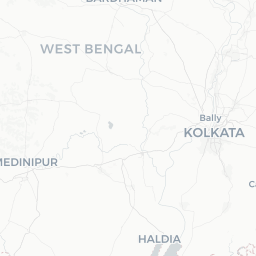
Durgapur is a planned industrial city in the Paschim Bardhaman district of West Bengal, situated on the Damodar River roughly 160 km northwest of Kolkata. It was developed in the late 1950s as part of India's post-independence industrial expansion, anchored by the Durgapur Steel Plant — one of the country's first integrated public-sector steel mills — and a cluster of allied heavy industries including chemicals, engineering, and mining.
Despite its industrial identity, Durgapur has grown into a mid-sized city with a functioning civic core, several green spaces, a university town atmosphere (NIT Durgapur draws students from across India), and decent road and rail connections. It is not a conventional tourist destination, but it rewards travelers interested in modern Indian industrial history, urban planning of the Nehruvian era, and a no-frills gateway to nearby heritage and nature sites.
The city is laid out in sector-style zones modelled loosely on Chandigarh's planning approach, giving it a more orderly streetscape than many cities of comparable size in the region. The Damodar River and its barrage provide a notable natural backdrop on the city's edge.
Before You Go
Visas
Most international visitors to India require a visa in advance. Rules vary significantly by nationality and purpose of travel. Check TravelerPulse's Visas section and the official Indian government immigration portal for current requirements before booking.
Health
- Consult a travel health professional well before departure regarding vaccinations and malaria prophylaxis; West Bengal is a malaria-risk region.
- Drink bottled or verified purified water; tap water is not reliably safe for visitors.
- Carry a basic medical kit; pharmacy availability is good in the city centre but limited in outskirts.
- Travel insurance with medical evacuation cover is strongly recommended.
Climate
Durgapur has a humid subtropical climate. Summers (April–June) are hot and can exceed 40 °C. The monsoon (July–September) brings heavy rain and high humidity. The best period for travel is October through March, when temperatures are comfortable and rainfall is minimal.
Money
ATMs are available throughout the city. Smaller vendors and auto-rickshaws typically prefer cash. UPI-based digital payments (Google Pay, PhonePe) are widely accepted at shops, restaurants, and many hotels.
Getting There
By Train
Durgapur railway station sits on the main Howrah–Delhi Grand Chord line, one of India's busiest rail corridors. Numerous express and mail trains connect Durgapur to Kolkata (Howrah), Asansol, Patna, Delhi, and other major cities. Journey times and schedules vary; verify current timetables on the Indian Railways official site or at the station.
By Road
Durgapur is connected to the rest of West Bengal and neighbouring states via National Highway 19 (the former NH 2 / Grand Trunk Road). State and private buses run frequently from Kolkata's Esplanade or Durgapur Bus Terminus. The Durgapur Expressway provides a comparatively fast road link to Kolkata (approximately 2.5–3 hours depending on traffic).
By Air
The nearest major airport is Netaji Subhas Chandra Bose International Airport in Kolkata, roughly 160 km away. Kazi Nazrul Islam Airport at Andal (near Durgapur) has handled limited commercial operations; verify current route availability locally or with airlines before planning, as services have fluctuated.
Local Connections
From Asansol (approximately 25 km west), additional rail and bus options are available for onward travel into Jharkhand and beyond.
Getting Around
Durgapur's sector-based layout makes orientation relatively straightforward once you understand the numbering. Auto-rickshaws are the most common mode of local transport and cover most parts of the city; negotiate the fare before boarding or ask a local for the standard rate. Shared autos (operating fixed routes) are cheaper but less flexible.
App-based cab services (Ola, Rapido) operate in Durgapur, though availability may be inconsistent compared to larger cities. Verify locally before relying on them. Cycle-rickshaws are available in some older residential and market areas.
Renting a car with driver for a day-trip to nearby sites such as the Damodar barrage or Biharinath Hill is a practical option; ask your accommodation to assist with arranging a trusted local driver.
Things to See & Do
Durgapur Barrage
The barrage across the Damodar River is the city's most recognisable landmark. It is a functional irrigation and flood-control structure but the surrounding riverbank area is popular for an early morning or evening walk. The scale of the engineering is worth seeing; verify access rules locally as they may be restricted at certain points.
Nehru Park (City Centre)
One of the larger green spaces in the city, Nehru Park near the City Centre area is a go-to for residents in the evenings. It offers a lake, walking paths, and a relaxed atmosphere. Verify current opening hours and any entry requirements locally.
Amusement Park / Leisure Valley
Leisure Valley (also called Durgapur Amusement Park) is a popular family destination on the banks of the Damodar. Facilities and operating status should be verified locally before visiting.
NIT Durgapur Campus
The National Institute of Technology campus is one of the more architecturally coherent parts of the city and pleasant to walk through during daytime. Non-academic visitors should respect campus norms.
Local Temples and Religious Sites
- Deul Park in nearby Kankandighi features replicas of famous Indian temples and is a popular day-trip.
- The Birbhanpur area has local temples worth a short visit for those interested in Bengali religious architecture.
Industrial Heritage
The Durgapur Steel Plant (SAIL-DSP) is a working facility; organised plant visits are not routinely available to independent tourists. Inquire directly with the plant authority or local tourism offices for any guided access programmes.
Food & Drink
Durgapur's food scene reflects its mixed population of Bengali residents, migrant workers from Bihar, Jharkhand, and Odisha, and a significant student population. You will find Bengali home-style cooking the most prevalent, with fish curry (machher jhol), rice, dal, and mustard-heavy vegetable preparations as staples.
What to Eat
- Machher jhol (fish curry with potatoes and tomatoes in a thin mustard-based gravy) — a Bengali everyday classic.
- Luchi and alur tarkari — deep-fried flatbread with spiced potato curry; widely available at breakfast stalls.
- Mishti doi and sandesh — Bengali sweets; look for local confectionery shops (mishti-r dokan) rather than generic sweet chains.
- North Indian and Chinese-Indian (Kolkata-style) dishes are available at restaurants catering to the diverse workforce.
Where to Eat
The City Centre and Benachity areas have the densest concentration of restaurants, dhabas, and fast-food options. Street food stalls around the bus terminus and market areas offer affordable local snacks. For sit-down meals, mid-range Bengali and multi-cuisine restaurants are found throughout the commercial zones; verify current establishments locally as the dining scene changes frequently.
Alcohol
West Bengal permits the sale and consumption of alcohol. Licensed bars, wine shops, and restaurants serving alcohol are present in the city. Drink responsibly and be aware that some areas near religious sites may have informal restrictions.
Shopping
Durgapur is not a significant shopping destination by regional standards, but it has functional markets for everyday goods and some local crafts.
- City Centre Market — the main commercial hub with clothing, electronics, household goods, and food stalls.
- Benachity Market — a busy local market good for fresh produce, spices, and daily essentials.
- Bengali textiles and sarees — available at a handful of fabric shops; Tant (handloom cotton) sarees from the broader West Bengal region make a meaningful purchase.
- For serious craft or textile shopping, Shantiniketan (approximately 90 km away) is a far better destination and worth the trip.
Practical Information
Emergency Contacts
India's national emergency numbers are 112 (all emergencies), 100 (police), 101 (fire), and 108 (ambulance). Verify local Durgapur hospital and police station contacts on arrival.
Hospitals
Durgapur has several hospitals including Mission Hospital (a well-regarded private facility) and various government hospitals. Verify current contact details and services locally.
Connectivity
Mobile data (4G/5G) from major Indian operators (Jio, Airtel, Vi) works reliably across the city. International SIM users should consider purchasing a local SIM at the airport or a registered telecom outlet on arrival.
Electricity
India uses 230 V / 50 Hz. Power sockets are primarily Type D (three large round pins) and Type C. Carry a universal adapter. Power cuts do occur; quality accommodation typically has backup generators.
Tipping
Tipping is not mandatory but appreciated at restaurants (10% of the bill is a reasonable guide) and for drivers on longer journeys. Rounding up at auto-rickshaws is common.
Safety
Durgapur is generally considered a safe city by Indian standards. As a planned industrial city with a large organised workforce, it has relatively stable civic conditions. Standard urban precautions apply: be aware of your surroundings, keep valuables secure, and avoid poorly lit or isolated areas after dark.
Traffic is the most consistent hazard for visitors — road discipline is inconsistent and pedestrian crossings are not always respected by drivers. Exercise caution at intersections.
For solo women travelers, the same urban awareness that applies across India is relevant here. Stick to well-populated areas in the evening, use app-based cabs where possible, and share your itinerary with someone you trust. Durgapur does not have a notable reputation for tourist-targeted crime, but the usual vigilance around pickpocketing in crowded markets applies.
Local Culture & Etiquette
Durgapur's culture is shaped by its relatively recent founding (late 1950s) and the diverse communities that came to work in its industries. Bengali culture is dominant — Durga Puja is the city's biggest annual celebration, typically in October, and the pandals (temporary temple structures) across the city's sectors are elaborate and worth visiting if your trip coincides.
The city also has a notable population from Bihar, Jharkhand, and other states, which gives it a more cosmopolitan character than surrounding rural towns. Hindi is widely understood alongside Bengali, making communication easier for non-Bengali speakers.
Dress modestly when visiting temples or religious sites. Removing footwear before entering places of worship is standard practice and signs will usually indicate where this is required.