Overview
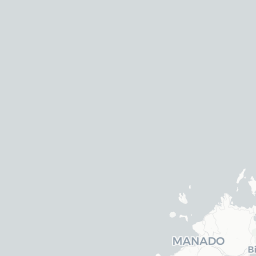
Manado is the capital of North Sulawesi province and sits on the northeastern tip of Sulawesi island, facing the Celebes Sea. With a population of roughly 460,000, it is a mid-sized city that functions primarily as a regional hub and gateway to some of Indonesia's most celebrated marine and wildlife destinations.
The city is best known internationally as the jumping-off point for Bunaken National Marine Park, a UNESCO-recognised marine park whose wall dives are considered among the finest in Southeast Asia. Beyond diving, Manado offers visitors a window into Minahasan culture — the indigenous culture of the region — with distinct cuisine, Protestant-majority Christianity (uncommon in Muslim-majority Indonesia), and a relaxed urban atmosphere.
Manado itself is a working city rather than a polished resort town. Its waterfront, local markets, and food scene reward travelers willing to explore independently, while the surrounding region — volcanoes, forests, and reefs — provides the main draw for most international visitors.
Before You Go
Visas
Indonesia's visa policy changes periodically. For current requirements based on your nationality, check TravelerPulse's Visas section and verify with Indonesia's Directorate General of Immigration at imigrasi.go.id before you travel.
Health
Consult a travel health professional before departure. Malaria is present in parts of North Sulawesi outside urban areas; discuss prophylaxis with your doctor. Routine vaccinations should be up to date. Dengue fever is a year-round risk. Tap water is not safe to drink — use bottled or filtered water.
Climate
- Dry season (May–October): Best conditions for diving and trekking. Water visibility at Bunaken is typically at its best.
- Wet season (November–April): Rainfall increases, and seas can be rougher, though diving is still possible on many days. Typhoon activity is limited but weather can be unpredictable.
Money
ATMs are available in Manado city. Carry local cash when heading to outer islands or rural areas, as card acceptance is limited. Inform your bank before travel to avoid card blocks.
Getting There
By Air
Sam Ratulangi International Airport (MDC) is Manado's main gateway, located a short drive from the city center. It receives direct flights from several Indonesian cities including Jakarta, Makassar, and Bali, as well as some international connections — verify current routes with airlines or booking platforms, as schedules change. Garuda Indonesia, Lion Air, and Batik Air have historically served this route; check current availability when booking.
By Sea
Pelni, Indonesia's national shipping company, operates inter-island passenger ships connecting Manado to other major Indonesian ports. Journey times are long, but this is a practical option for those traveling between islands. Schedules and routes should be verified directly at pelni.co.id or at the port office.
Getting from the Airport
Taxis and ride-hailing apps (Gojek and Grab both operate in Manado) are the most straightforward options from the airport to the city center. Agree on a fare before boarding conventional taxis, or use app-based pricing for transparency.
Getting Around
In the City
Manado's city transport includes angkot (minibuses on fixed routes), ojek (motorcycle taxis), and app-based options via Gojek and Grab. Ride-hailing apps are the most convenient option for visitors unfamiliar with local routes and are generally affordable by international standards.
To Bunaken Island
Public speedboats and charter boats to Bunaken depart from the Manado waterfront (Calaca or Pasar Jengki pier areas — verify current departure points locally). The crossing takes roughly 30–45 minutes depending on conditions. Dive operators often arrange boat transfers as part of packages.
To Tangkoko and Other Destinations
For Tangkoko Nature Reserve and outlying destinations, hiring a private car with a driver is practical and commonly arranged through hotels or local guides. Verify locally for current rates. Self-driving is possible but road conditions vary outside the city.
Where to Stay
Manado has a range of accommodation from budget guesthouses to mid-range business hotels concentrated in the Boulevard and Megamas areas. Several international hotel brands have a presence in the city — verify current availability and rates through booking platforms. For Bunaken itself, numerous small dive resorts and guesthouses operate on the island, ranging from basic to comfortable; staying on the island allows for early morning and evening dives that day-trippers miss.
For Tangkoko access, some guesthouses operate in the nearby village of Bitung or closer to the reserve entrance — staying locally allows for early morning wildlife walks when tarsier and macaque activity is highest. Verify current options locally or through a tour operator, as smaller properties may not maintain consistent online listings.
Things to See & Do
Bunaken National Marine Park
Established in 1991 and covering around 890 square kilometers, Bunaken is Manado's most significant attraction. The park encompasses five islands and is renowned for its steep coral walls that drop hundreds of meters, exceptional biodiversity, and relatively healthy reef systems. Both day trips and multi-day stays on Bunaken Island are popular. A national park entry fee applies — verify the current amount locally or through your dive operator.
Diving and Snorkeling
Manado hosts numerous dive operators catering to all experience levels. Dive sites around Bunaken, Siladen, Manado Tua, and Nain islands offer varied experiences — walls, slopes, and some wreck diving. Snorkeling is also viable at several sites from the surface. Verify operator certifications and equipment standards before booking; PADI-affiliated operators are common.
Tangkoko Nature Reserve
Located roughly 60–70 km from Manado, Tangkoko is one of the best places in the world to observe the spectral tarsier (one of the world's smallest primates), Sulawesi black macaques, and maleo birds in their natural habitat. Guided night and dawn walks are the standard way to spot tarsiers. Entrance fees and guide fees apply — verify current amounts at the reserve.
Tomohon
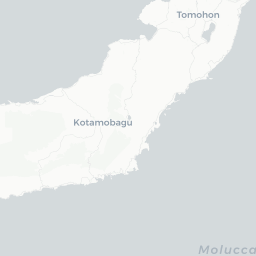
A highland town about 25 km south of Manado, Tomohon sits between two active volcanoes — Lokon and Mahawu. It is known for its flower market, traditional market (which sells a very wide range of meats — note this if you have dietary concerns), and cooler temperatures. Volcano trekking is available; go with a local guide and check conditions before attempting.
City Exploration
Manado's waterfront area, Chinatown (Pecinan), and local markets like Pasar 45 give a feel for daily life. The BDB (Boulevard) area along the coast is a commercial and social hub. The Bukit Kasih religious tolerance monument in Kanonang, outside the city, is a well-known regional landmark.
Food & Drink
Minahasan Cuisine
North Sulawesi's Minahasan food culture is one of the most distinctive in Indonesia. The cuisine is known for bold spicing, heavy use of chili, and a famously broad range of protein sources. Dishes to look for include tinutuan (Manado porridge — a comforting mix of rice, vegetables, and corn), cakalang fufu (smoked skipjack tuna), rica-rica (a fiery chili-based preparation applied to various proteins), and bubur Manado (a variant of the local congee).
Where to Eat
Local warungs (small eateries) and rumah makan (simple restaurants) are the most authentic and affordable dining options. The Megamas and Boulevard areas have a wider range of cafes, international restaurants, and food courts. Seafood is a natural strength given the coastal setting — fresh fish grilled simply is widely available near the waterfront.
Dietary Notes
Because the Minahasan community is predominantly Christian, pork is commonly served and the range of meats extends further than in many Indonesian regions. Muslim travelers should ask carefully about ingredients, as halal-certified restaurants exist but are not the default in all venues. Vegetarian options are available but may require more searching outside of dedicated vegetarian or tourist-oriented restaurants.
Drinks
Fresh coconut water, local fruit juices, and Indonesian coffee are widely available. Alcohol is sold in restaurants, hotels, and shops — less restricted here than in more conservative Indonesian regions.
Practical Information
Emergency Contacts
Verify current local emergency numbers upon arrival. In Indonesia, the general emergency number is 112. For police: 110, Ambulance/Fire: 113 — confirm these are active in Manado locally.
Connectivity
Local SIM cards are widely available at the airport and in the city from providers such as Telkomsel, XL Axiata, and Indosat. Telkomsel generally has the broadest coverage in more remote areas of North Sulawesi. Most mid-range hotels and cafes offer Wi-Fi.
Electricity
Indonesia uses 220V/50Hz. Plug types C and F (European round-pin) are standard. Bring a universal adapter if needed.
Time Zone
Manado operates on WITA (Waktu Indonesia Tengah / Central Indonesia Time), which is UTC+8 — the same as Singapore and Malaysia, one hour ahead of Jakarta.
Tipping
Tipping is not culturally mandated in Indonesia but is appreciated in tourist-facing services. A small tip for dive guides, drivers, and restaurant staff is a reasonable gesture for good service.
Safety
Manado is generally considered one of the safer cities in Indonesia for travelers. Street crime exists as in any city, so standard urban precautions apply: be aware of your surroundings, avoid displaying valuables unnecessarily, and use trusted transport options at night.
North Sulawesi sits in one of the world's most seismically active regions. Earthquakes and volcanic activity occur in the area — Lokon and Soputan volcanoes have been periodically active in recent decades. Monitor alerts from Indonesia's geological agency (PVMBG — magma.esdm.go.id) if you plan to trek near volcanoes, and follow local authority guidance.
For water activities, always dive or snorkel with a reputable operator. Currents at some Bunaken sites can be strong. Confirm your operator's safety standards, briefing procedures, and emergency protocols before getting in the water. Travel insurance that covers diving and medical evacuation is strongly recommended.
Local Culture & Etiquette
Manado and the surrounding Minahasan region have a cultural identity distinct from much of Indonesia. The majority of the population is Christian (predominantly Protestant), a legacy of Dutch missionary activity from the colonial period. This shapes the local calendar — Sunday church attendance is widely observed, and Christmas and Easter are major community events.
The Minahasan people have a strong sense of regional identity and are known for their hospitality toward visitors. Bahasa Indonesia is the lingua franca, but Manado Malay (a local creole) is the everyday street language and sounds noticeably different from standard Indonesian. Don't be surprised if locals seem to be speaking a different language — they may be.
When visiting markets, religious sites, or homes, dress modestly and ask before photographing people. The Tomohon traditional market's range of meats is a subject of international media attention — approach it with curiosity rather than judgment, as it reflects a genuine local food culture. Respectful engagement is always appreciated over voyeurism.