Translate


Overview
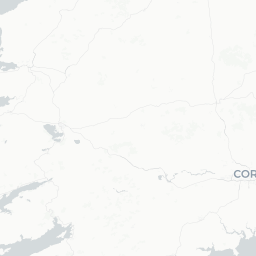
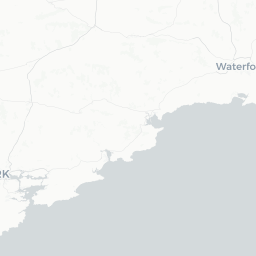
Cork is Ireland's second-largest city, situated on the River Lee in the province of Munster. The city centre occupies a long island between two channels of the river, giving it a distinctive waterfront character shaped by quays, bridges, and narrow hillside streets. Its population of roughly 224,000 makes it a genuine urban centre while retaining a scale that rewards walking.
Corkonians carry a strong civic pride — the city is sometimes called 'the real capital' by locals, a joke that reflects genuine affection for the place rather than anything you need to take literally. That confidence shows in a cultural scene that punches above its weight: a thriving music community, a clutch of respected galleries and theatres, and a food culture that has earned national and international attention.
The city's setting matters. The Lee valley and the surrounding countryside of West Cork and County Cork are accessible within short drives, meaning Cork works well both as a destination in its own right and as a base for wider exploration of Munster.
Before You Go
Visas and Entry
Ireland is not part of the Schengen Area and operates its own immigration rules, separate from the UK despite their Common Travel Area arrangement. Entry requirements depend on your nationality and travel history. Check TravelerPulse's Visas section for general guidance and always verify your specific requirements with the Irish Naturalisation and Immigration Service (INIS) at their official government website before travel.
Health
No vaccinations are specifically required for travel to Ireland. EU/EEA citizens should carry their European Health Insurance Card (EHIC) for access to public healthcare on the same basis as Irish residents. Visitors from other countries should arrange adequate travel health insurance before departure. Pharmacies (marked with a green cross) are widely available for minor ailments.
What to Pack
Cork's weather is famously changeable year-round. A waterproof layer and comfortable walking shoes are essential regardless of season. Summers are mild rather than hot — temperatures rarely exceed the mid-20s Celsius even in July and August. Pack layers even for a summer visit.
Getting There
By Air
Cork Airport (ORK) is located approximately 6 km south of the city centre and serves routes to multiple UK and European cities, as well as some transatlantic connections (verify current routes on the airport's official site, as these change seasonally). A bus service connects the airport to the city centre; taxis are also available. Transfer time is roughly 15–20 minutes depending on traffic.
By Rail
Cork Kent Station is the city's main rail terminus, situated on the north channel of the River Lee. Irish Rail (Iarnród Éireann) operates intercity services to Dublin Heuston (journey time approximately 2.5 hours), Limerick, and other Munster cities. Check schedules and book tickets at irishrail.ie.
By Coach
Bus Éireann and several private operators run coach services connecting Cork to Dublin, Limerick, Galway, and other Irish cities. The main coach terminus is on Parnell Place in the city centre.
By Ferry
Brittany Ferries operates a service between Roscoff (France) and Cork (Ringaskiddy), typically active during the warmer months. This is a popular option for visitors bringing their own vehicle or arriving from mainland Europe. Verify current schedules and season dates directly with the ferry operator.
Getting Around
On Foot
The city centre island is compact and walkable. Most major attractions, the English Market, and the main shopping streets are within a 15–20 minute walk of each other. The hills north and south of the centre (notably around Shandon and Barrack Street) require a bit more effort but are very manageable.
Bus
Bus Éireann and Cork's local bus network connect the city centre to suburbs, the airport, and surrounding towns. The city's network has been expanding; check the Transport for Ireland (TFI) journey planner for current routes and timetables.
Cycling
Cork has a public bike-sharing scheme. The city is broadly flat on the island centre, though the surrounding hills are more demanding. Cycling infrastructure is improving but remains patchy in some areas — verify the current network before relying on it heavily.
Taxis and Ride-Hailing
Taxis are readily available at ranks around the city centre and can be hailed on the street. Several app-based services also operate in Cork; verify which are currently active locally.
Things to See & Do
English Market
One of the oldest covered food markets in Europe, the English Market on Princes Street has been trading continuously since 1788. It sells fresh local produce, artisan cheeses, charcuterie, fish, and prepared foods. It is free to enter and operates Monday to Saturday; verify current hours on the official Cork City Council site. Even if you buy nothing, it is worth walking through for the Victorian architecture and atmosphere.
St Fin Barre's Cathedral
The Church of Ireland cathedral, completed in 1879, is an impressive example of French Gothic Revival architecture designed by William Burges. It sits at the south end of the city centre and is open to visitors. An admission fee applies; verify the current amount on the cathedral's official site.
Shandon and St Anne's Church
The Shandon area on the north hill above the city is one of Cork's oldest neighbourhoods. St Anne's Church (18th century) houses the famous Shandon Bells, which visitors can pay to ring. The surrounding streets retain a neighbourhood character distinct from the city centre.
Cork Public Museum and Fitzgerald's Park
Fitzgerald's Park, a public green space on the western side of the city centre, contains the Cork Public Museum, which covers local history from prehistoric times through the 20th century. The park itself is a pleasant place to walk along the river.
Culture and Nightlife
Cork has a strong live music tradition across a range of venues. The Everyman Theatre on MacCurtain Street and Cork Opera House are the main performing arts venues. The city also hosts the Cork Jazz Festival (October) and Cork Film Festival (November) annually — check respective official sites for programming.
Food & Drink
Eating Out
Cork has a justified reputation as Ireland's food capital. The city and its hinterland produce excellent seafood, dairy, and artisan goods, and local restaurants take those ingredients seriously. Options range from casual lunch spots around the English Market to more formal dining. The area around Princes Street, Oliver Plunkett Street, and the Douglas area has a concentration of well-regarded restaurants and cafés.
Pub Culture
Traditional pubs remain central to Cork social life. Many city-centre pubs have live traditional music sessions on certain evenings — it is worth asking locally or checking venue social media pages for schedules, as these vary. The area around MacCurtain Street and the south city have clusters of characterful pubs.
Local Specialities
Look out for Cork-specific products: Drisheen (a local blood pudding), Tanora (a tangerine-flavoured soft drink found almost exclusively in Cork), and the various farmhouse cheeses produced in the wider county. For budget eating, the English Market's cooked food stalls offer good-value lunches.
Coffee
Cork has a small but serious independent coffee scene, with several specialty roasters and cafés operating in the city centre. Chains are also present for those who prefer familiar options.
Shopping
The main retail streets are St Patrick's Street (Pana, as locals call it) and Oliver Plunkett Street, with a mix of Irish and international chain stores. The Merchant's Quay Shopping Centre and the English Market area contain additional retail options.
For independent and artisan shopping, the area around Paul Street and French Church Street has boutiques, bookshops, and design stores. The English Market itself is the best place to buy local food products to take home — cheeses, smoked fish, and preserves travel well. Check customs rules for your destination country regarding food imports before purchasing.
Practical Information
Money
Cork is a fully cashless-capable city — contactless payments are accepted almost universally. ATMs are widely available throughout the city centre. Tipping is customary in restaurants (typically 10–15% if service is not already included) but not mandatory in pubs for drinks.
Connectivity
Free public Wi-Fi is available in many cafés, hotels, and some public spaces. Mobile coverage (4G, with 5G expanding) is generally good throughout the city. EU visitors benefit from roaming regulations that allow use of home plans without surcharges; visitors from outside the EU should verify roaming costs with their provider or consider a local SIM.
Emergency Services
The standard emergency number throughout Ireland is 112 or 999, reaching police (Garda Síochána), fire, and ambulance services.
Useful Contacts
- Cork City Council: corkcity.ie
- Transport for Ireland journey planner: journeyplanner.transportforireland.ie
- Tourism Ireland: ireland.com (verify locally for current Cork-specific listings)
Safety
Cork is a generally safe city for visitors. Normal urban precautions apply: be aware of your surroundings in busy areas, keep valuables out of sight, and use established taxi services or trusted ride-hailing apps, particularly late at night.
The city centre around Oliver Plunkett Street and the areas near late-night venues can be busy on weekend nights; this is largely uneventful but worth being aware of if you prefer quieter environments. The River Lee quays are pleasant during the day; as with waterfronts in any city, exercise standard care at night.
In any emergency, dial 112 or 999.
Local Culture & Etiquette
Cork has a distinct local identity within Ireland. The city's GAA (Gaelic Athletic Association) teams — particularly the Cork hurling and football teams — are a significant part of local culture, and match days at Páirc Uí Chaoimh (the county stadium) generate considerable city-wide energy. If a big intercounty match coincides with your visit, be aware that accommodation and transport may be busier than usual.
Irish language (Gaeilge) is an official language and is taught in schools, but English is the everyday language of Cork city. You may encounter some Irish-language signage. County Cork contains parts of the Gaeltacht (Irish-speaking areas), particularly in the Muskerry area west of the city, if that is of interest.
The arts are taken seriously here. Cork School of Music, University College Cork (UCC), and a network of galleries contribute to a cultural environment that is active year-round rather than purely seasonal. Checking local listings (such as the Evening Echo or What's On Cork) before your trip will help you catch events that coincide with your visit.