Overview
Naples (Napoli) is one of the oldest continuously inhabited cities in Europe, founded by Greek settlers around 600 BCE and shaped by successive Roman, Norman, Aragonese, Spanish, and Bourbon rulers. With roughly 900,000 residents in the city proper and a wider metropolitan area of nearly three million, it is the largest city in southern Italy and one of the most densely populated urban centres on the continent.
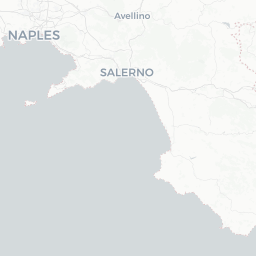
The city sits in a natural amphitheatre on the Bay of Naples, with Mount Vesuvius rising to the east and the islands of Capri, Ischia, and Procida visible offshore. That geography has defined Naples in every sense: the fertile volcanic soil drew ancient civilisations, the bay made it a Mediterranean trading hub, and the ever-present volcano lends the city a quality locals describe as living intensely in the moment.
Naples is not a polished, easy-to-digest destination. Its centro storico — listed as a UNESCO World Heritage Site — is a layered, sometimes chaotic grid of narrow streets (the decumani) stacked on top of a Greek and Roman street plan. Beneath street level lies an extensive network of tunnels, cisterns, and catacombs still being excavated today. Above ground, Baroque churches crowd every block, laundry spans alleyways, and scooters navigate gaps that seem too small for them.
For travelers willing to engage on its own terms, Naples rewards with exceptional archaeology, an unmatched food culture, sincere hospitality, and a street energy that few European cities can match.
Before You Go
Visas
Italy is a Schengen Area member state. Visa requirements depend on your nationality, purpose of visit, and length of stay. Check TravelerPulse's Visas section for general guidance, then verify your specific situation with the official Italian Ministry of Foreign Affairs or your nearest Italian consulate well before travel.
Health
No routine vaccinations are required beyond those recommended for travel in Western Europe generally. Tap water in Naples is technically treated, but many locals and visitors prefer bottled water; this is a personal preference rather than a strict health necessity. Travelers with respiratory sensitivities should be aware that air quality in the city centre can be poor due to traffic density.
Travel Insurance
Comprehensive travel insurance covering medical treatment, trip cancellation, and theft is strongly recommended. Petty theft is a real concern (see Safety section), and medical costs for uninsured non-EU visitors can be significant.
What to Pack
- Comfortable, flat-soled shoes — cobblestones and steep salite (inclines) are everywhere
- A money belt or crossbody bag with a zip
- Modest clothing for entering churches (covered shoulders and knees)
- A layer for evenings, even in summer, particularly near the seafront
Getting There
By Air
Naples International Airport (Capodichino / IATA: NAP) is located approximately 7 km north-east of the city centre. It handles a substantial volume of European and some intercontinental traffic, with direct connections to many major European hubs. Onward connections from Rome (Fiumicino or Ciampino) are straightforward if your origin does not serve Naples directly. Verify current routes and schedules on airline and airport websites, as these change seasonally.
A dedicated Alibus shuttle links the airport to Piazza Garibaldi (Naples Centrale railway station) and Piazza Municipio in the city centre. Taxi services from licensed ranks outside arrivals are an alternative; confirm the published flat-rate fare to the city centre with the driver before departure, as official fixed rates exist and are posted — verify the current figure locally.
By Rail
Naples Centrale (Piazza Garibaldi) is a major hub on Italy's high-speed rail network. Trenitalia's Frecciarossa and Italo services connect Naples to Rome in roughly 70–75 minutes, and to Milan in around three hours. Regional and intercity trains connect to smaller Campanian towns. Booking in advance, especially for high-speed services, generally secures better fares.
By Sea
The Port of Naples (Molo Beverello and Mergellina) receives ferry and hydrofoil services from the Campanian islands (Capri, Ischia, Procida) as well as longer-haul ferry routes from Sicily, Sardinia, and occasionally international ports. Confirm operators and timetables directly with port services or ferry company websites.
By Road
Naples sits on the A1 (Autostrada del Sole) and A3 motorway corridors. Driving into the city centre is not recommended for first-time visitors: traffic is dense, ZTL (limited traffic zones) are enforced with cameras, and parking is scarce and expensive. Arrive by train or bus and use public transport or walk once in the city.
Getting Around
Metro
Naples has two main metro lines (Linea 1 and Linea 2) operated by ANM. Linea 1 is particularly useful for tourists, connecting Piscinola in the north through the city centre (Toledo, Municipio, Università, Piazza Garibaldi) to the Museo stop near the National Archaeological Museum. Several stations on Linea 1 are notable for their contemporary art installations and are worth a visit in themselves. Verify current fares and operating hours on the ANM website.
Bus and Funicular
ANM also operates an extensive bus network and four funicular railways (funicolari) that climb the Vomero hill from different points in the lower city. The Funicolare Centrale, Funicolare di Chiaia, and Funicolare di Montesanto are all useful for reaching the Vomero neighbourhood. Integrated tickets are available for metro, bus, and funicular travel.
On Foot
The historic centre is compact and best explored on foot, though the terrain is uneven. The main east–west decumani — Spaccanapoli and Via dei Tribunali — are walkable and form a natural spine for exploration. Distances between major sites are manageable, though the heat in July and August makes midday walking demanding.
Taxis
Licensed NCC taxis are white and should use meters or published fixed rates. Agree the basis for the fare before getting in. Ride-hailing apps with local licensed operators are also available; verify current options locally as the market changes.
Circumvesuviana Railway
This regional narrow-gauge rail line, operated by EAV, connects Naples (Piazza Garibaldi) to Herculaneum, Pompeii, and Sorrento, making it the primary means of reaching those day-trip destinations without a car. It is heavily used and known for delays and crowding; keep bags and valuables secure.
Things to See & Do
Archaeology and Museums
- Museo Archeologico Nazionale di Napoli (MANN): One of the world's great archaeological museums, housing the Farnese Collection of ancient sculpture and the most important collection of finds from Pompeii and Herculaneum, including frescoes, mosaics, and everyday objects. Verify current admission fees and opening days on the official museum website.
- Pompeii: The UNESCO-listed Roman city preserved under Vesuvius's 79 CE eruption is approximately 25 km from Naples city centre, reached via the Circumvesuviana. Allow at least half a day; a full day is better. Book tickets in advance during peak season.
- Herculaneum (Ercolano): Smaller than Pompeii but in many respects more remarkably preserved, with intact wooden elements, paintings, and multi-storey structures. Less crowded than Pompeii.
- Museo di Capodimonte: A former Bourbon royal palace housing an exceptional collection of Italian paintings from the 13th to the 18th century, including works by Caravaggio, Raphael, and Titian, set within a large public park.
Historic Centre and Churches
The UNESCO-listed centro storico contains an extraordinary density of Baroque and earlier architecture. Key stops include the Cathedral of Naples (Duomo), which houses the chapel of San Gennaro and the relics of the city's patron saint; the Gesù Nuovo church with its unusual diamond-rusticated facade; Santa Chiara and its majolica-tiled cloister; and the San Domenico Maggiore complex. Many churches are free to enter but may have restricted visiting hours during services.
Underground Naples
- Napoli Sotterranea: A guided tour through the Greek-Roman aqueduct system running beneath the centro storico. Tours depart from Piazza San Gaetano; check the official site for current schedules.
- Catacombs of San Gennaro and San Gaudioso: Early Christian burial sites carved into the volcanic tuff hills of Capodimonte and the Sanità neighbourhood. Guided tours are required.
Castel dell'Ovo and the Waterfront
The oldest standing castle in Naples occupies a small island (formerly the Megaride) in the Bay of Naples, connected to the Chiaia waterfront by a short causeway. Entry to the castle grounds and courtyard is generally free; views over the bay and back toward the city are excellent. The adjacent Borgo Marinari, a small fishing harbour, has restaurants and is pleasant in the evening.
Mount Vesuvius
The volcano can be visited independently via a park shuttle from a car park on the upper slopes, followed by a walk to the crater rim. The Vesuvio National Park administers access; verify current entry arrangements, fees, and guide requirements on the park's official website before visiting. The site is at altitude and the path is rocky — appropriate footwear is essential.
Food & Drink
Pizza
Naples is the documented origin of pizza as it is understood globally today, and the Neapolitan pizza tradition has UNESCO Intangible Cultural Heritage status. The canonical local versions are the Margherita (tomato, fior di latte or buffalo mozzarella, basil) and the Marinara (tomato, garlic, oregano, olive oil). Authentic Neapolitan pizza has a soft, slightly charred crust and is cooked at very high temperature in a wood-fired oven for around 60–90 seconds. Prices vary considerably; historic pizzerias in the centro storico range from very affordable to moderately priced depending on the establishment.
Street Food
Street food is a central part of Neapolitan daily life. Key items to seek out include sfogliatella (shell-shaped pastry, either riccia/flaky or frolla/shortcrust, filled with ricotta and candied peel), pastiera napoletana (ricotta and grain tart, especially around Easter), frittura (fried street food including cuoppo cones of mixed fried seafood or vegetables), and pizza fritta (fried pizza dough). The Quartieri Spagnoli and Via dei Tribunali areas are particularly good for street food exploration.
Seafood and Traditional Cucina
Campanian cuisine makes extensive use of the bay's seafood alongside tomatoes (the San Marzano variety, grown on volcanic Vesuvian soil, is especially prized), aubergines, buffalo mozzarella from the Caserta and Salerno plains, and fresh pasta. Spaghetti alle vongole (clams), impepata di cozze (peppered mussels), and baccalà (salt cod prepared in numerous ways) are common restaurant staples.
Coffee
Neapolitan coffee culture is serious and specific. Espresso is ordered standing at the bar and consumed quickly; the coffee is typically darker roasted and served in small, thick-walled cups. The tradition of caffè sospeso (a pre-paid coffee left for a stranger who cannot afford one) originated in Naples. Asking for a long or weak coffee may generate mild incomprehension — adjust expectations accordingly.
Dining Practicalities
Lunch is typically served from around 12:30–15:00 and dinner from 19:30–23:00, though tourist-oriented places often have longer hours. A coperto (cover charge) and sometimes a service charge will be added to restaurant bills; verify what is included before tipping additionally. Many excellent local restaurants are small, unlicensed for cards, and cash-only — carry euros.
Shopping
Naples is not primarily a luxury shopping destination, but it offers distinctive local products and craftsmanship that reward deliberate searching.
What to Look For
- Presepe (nativity scene) figures and workshops: The Via San Gregorio Armeno in the centro storico is lined with workshops producing hand-crafted nativity figures, a tradition dating back centuries. Figures range from traditional religious subjects to contemporary political and cultural caricatures. Quality and price vary significantly.
- Limoncello and regional food products: Certified San Marzano tomatoes, Campanian olive oil, buffalo mozzarella (buy only from reputable sources and consume quickly), and limoncello liqueur made from local Sorrento or Amalfi lemons are all genuine regional products worth bringing home.
- Antiques and vintage: The Fiera Antiquaria market in Villa Comunale and street markets in the Porta Nolana area can yield interesting finds, though buyers should be discerning.
- Tailoring: Naples has a long tradition of high-end men's tailoring (sartoria napoletana) that influenced international menswear; several historic houses remain active in the Chiaia neighbourhood.
Be cautious of counterfeit goods sold on the street — purchasing them is illegal for buyers as well as sellers under Italian law.
Practical Information
Emergency Numbers
- General emergency: 112 (European standard, works throughout Italy)
- Police (Carabinieri): 112
- Medical emergency / ambulance: 118
- Fire: 115
Money
ATMs (called bancomat) are widely available in the city centre, though some areas near popular tourist sites see them emptied quickly. Major credit and debit cards are accepted in hotels, larger restaurants, and shops, but cash remains essential for smaller trattorias, street food vendors, markets, and taxis. Notify your bank before travel.
Connectivity
Free Wi-Fi is available in many cafes and hotels; quality varies. An Italian or European SIM card, or an eSIM with a data plan, is a practical investment for a multi-day stay. Coverage in most of the city is good on major networks.
Pharmacies
Farmacie (identified by a green cross sign) are common throughout the city. They can provide basic medical advice and dispense a wide range of medications, including some that require a prescription in other countries. A rota system ensures at least one pharmacy in each area stays open overnight; details are posted on pharmacy doors.
Accessibility
Naples presents real challenges for travelers with mobility impairments. Much of the centro storico is paved with uneven sampietrini (cobblestones), many historic sites have limited accessibility, and some metro stations lack lifts. Conditions are improving but verify accessibility provisions for specific sites before visiting.
Safety
Naples has a complicated international reputation that does not fully match the experience of most visitors. The vast majority of travelers complete visits without incident beyond the petty theft that affects most major European cities. That said, certain precautions are warranted.
Petty Theft
Pickpocketing and bag-snatching, including from moving scooters (scippo), occur, particularly in the area around Piazza Garibaldi, on the Circumvesuviana train, and in crowded tourist areas. Use a crossbody bag with a zip worn across the front, keep phones out of sight when not in use, and do not carry more cash or valuables than you need for the day. Back pockets and open tote bags are easy targets.
Scams
Be alert to unsolicited offers of assistance, particularly at the station and airport. Unofficial taxi touts should be avoided; use metered taxis from licensed ranks or pre-booked transfers.
Traffic
Neapolitan traffic, particularly motorcycles and scooters, moves fast and does not always observe pedestrian crossings reliably. Look both ways multiple times before crossing, even on one-way streets.
Neighbourhoods
Most of the city visited by tourists — the centro storico, Chiaia, Vomero, Posillipo, and the waterfront — is generally safe during the day and reasonably so in the evening. As in any large city, unfamiliar peripheral neighbourhoods after dark warrant more caution. Ask locally or at your accommodation about specific areas if uncertain.
Local Culture & Etiquette
Neapolitan culture is distinct enough from northern Italian norms that travelers should approach it with curiosity rather than preconceptions. The city has its own dialect (Neapolitan, once a fully-fledged literary language), its own musical traditions — including the origins of the canzone napoletana and the conservatory tradition that shaped Italian opera — and a civic identity strongly tied to the local football club, SSC Napoli.
Religion and Festivals
Catholicism is woven deeply into daily life and public ritual. The Feast of San Gennaro (patron saint of Naples) on 19 September draws large crowds to the Cathedral for the ritual liquefaction of the saint's blood, which is regarded by many Neapolitans as an omen for the city's fortunes. The Christmas season, when Via San Gregorio Armeno fills with nativity workshops and the city prepares elaborate presepi, is culturally significant and atmospheric.
Church Etiquette
Entering churches in shorts, sleeveless tops, or with uncovered heads is generally not permitted. Carry a light scarf or layer. Photography may be restricted inside; look for posted signs.
Social Customs
Neapolitans are generally expressive, direct, and hospitable. Making an effort with basic Italian phrases is appreciated. Queuing norms may be looser than northern European conventions. Mealtimes are taken seriously — attempting to eat a rushed lunch at 11:30 or requesting a cappuccino after dinner will be met with gentle but genuine puzzlement.