Translate


Overview
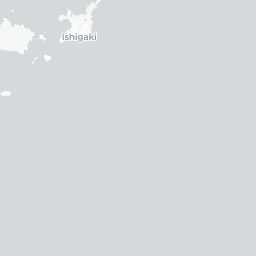
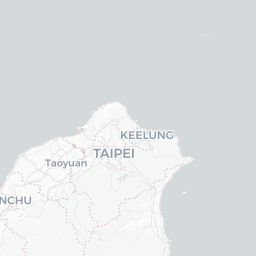
Ishigaki is the largest and most developed island in the Yaeyama archipelago, located roughly 400 km southwest of Okinawa's main island and about 270 km east of Taiwan. With a population of around 47,000, it functions as the administrative and transport hub for the surrounding smaller islands, including Iriomote, Taketomi, and Kohama.
The island is best known for its exceptional coral reef systems, which draw divers and snorkelers from across Japan and beyond. Kabira Bay, on the northwest coast, is one of the most photographed spots in Okinawa Prefecture — though swimming there is restricted to protect the coral and pearl farming operations. Glass-bottom boat tours operate in the bay for those who want to see underwater life without getting wet.
Beyond the water, Ishigaki has a recognizable town center with markets, restaurants, and izakayas serving local Yaeyama cuisine. The island's interior is hilly and forested, and a network of roads makes it reasonably accessible by rental car or scooter. Ishigaki feels distinctly different from mainland Japan — the climate, food, architecture, and pace of life all reflect its subtropical location and Ryukyuan cultural heritage.
Before You Go
Visas
Entry requirements for Japan vary depending on your nationality. For accurate, up-to-date visa information, check TravelerPulse's Visas section and the official website of Japan's Ministry of Foreign Affairs.
Climate
Ishigaki has a subtropical climate with warm temperatures year-round. Summers (June through September) are hot and humid, and the island sits within the Pacific typhoon belt — storms can disrupt flights and ferry services, sometimes with little notice. The period from October through April generally offers more stable weather, lower humidity, and calmer seas, making it the preferred window for diving and outdoor activities.
Health
No vaccinations are specifically required for Japan, but consulting a travel health professional before departure is advisable. The sun in the Yaeyamas is intense — high-SPF reef-safe sunscreen, a hat, and UV-protective swim gear are strongly recommended. Jellyfish (including box jellyfish) can be present in warmer months; check locally posted warnings before swimming.
Connectivity
Mobile connectivity on Ishigaki is generally good in and around the town center and popular tourist areas. Coverage can thin out in more remote parts of the island and on smaller surrounding islands. Pocket Wi-Fi rental and local SIM cards are widely available; arrange these before arrival or at major airports.
Getting There
By Air
New Ishigaki Airport (ISG) is the main point of entry. Direct flights operate from Tokyo (Haneda and Narita), Osaka (Kansai and Itami), Nagoya, Fukuoka, and Naha (Okinawa's main island). Flight times from Tokyo are approximately three and a half hours; from Naha, around one hour. Verify current routes and schedules directly with carriers such as Japan Airlines, ANA, Peach, and Jetstar Japan, as seasonal schedules vary. International connections typically route through Naha or a mainland Japanese hub.
By Ferry
High-speed ferry services connect Ishigaki to nearby Yaeyama islands including Taketomi, Iriomote (Ohara and Uehara ports), Kohama, and Kuro Island. These short crossings range from about 10 minutes (Taketomi) to around 40–60 minutes (parts of Iriomote). Ferry schedules and operators change seasonally — check with Anei Kanko, Yaeyama Kanko Ferry, or the Ishigaki port terminal for current timetables and fares.
Getting Around
Rental Car and Scooter
The most practical way to explore Ishigaki independently is by rental car or motor scooter. Rental agencies are concentrated near the airport and in the town center. An International Driving Permit (based on the 1949 Geneva Convention) is required for foreign nationals; check requirements with your home country's licensing authority before travel. Roads are generally well-maintained, and driving is on the left.
Bus
Ishigaki has a public bus network operated by Kaiyo Bus, covering major routes including the airport, town center, Kabira Bay, and the island's northern and southern coasts. Service is less frequent outside the main town, and schedules may not align well with independent sightseeing. Verify current timetables locally.
Taxi and Bicycle
Taxis are available in the town center and at the airport. Cycling is feasible in and around town and on some coastal routes, though the island's hilly interior can be demanding. Rental bicycles and e-bikes are available from several shops — verify locally for current options and rates.
Things to See & Do
Diving and Snorkeling
Ishigaki's waters are among the most biodiverse in Japan. Manta ray encounters are reliably reported at sites such as Manta Scramble (Osaki) and Manta City, particularly from June through November — though sightings are never guaranteed. Coral gardens, sea turtles, reef fish, and occasional whale sharks round out the underwater offering. Numerous dive shops operate in town and can arrange guided trips; verify certifications, equipment, and safety standards before booking.
Kabira Bay
This sheltered, island-dotted bay on the northwest coast is Ishigaki's most iconic viewpoint. Glass-bottom boat tours depart regularly and offer views of the coral below. Swimming is not permitted in the main bay. The surrounding area has cafes, souvenir stalls, and short walking paths.
Yonehara Beach and Coral Reef
Yonehara Beach on the north coast has a shallow reef close to shore that is accessible for snorkeling without a boat. Mask and fin rentals are available nearby. The reef is home to a variety of hard corals and reef fish, though crowding and environmental stress mean conditions vary — treat the reef gently.
Tamatorizaki Observatory and Northern Loop
The northern part of the island has scenic lookout points including the Tamatorizaki Observatory, which offers panoramic views over the coastline and surrounding islands. The drive or ride through this area passes sugar cane fields, banyan trees, and small beaches.
Ishigaki City Center
The compact town center has a covered market street (Euglena Mall area), izakayas, craft shops, and a lively evening dining scene. The Miyara Dunchi, a well-preserved Ryukyuan estate, is one of the oldest standing structures in the Yaeyamas and worth a brief visit — verify opening hours locally.
Food & Drink
Yaeyama Cuisine
Ishigaki's food scene draws on Ryukyuan tradition, Okinawan staples, and subtropical ingredients. Yaeyama soba — a local variation of Okinawa soba made with thin, slightly firm noodles in a clear pork-and-bonito broth — is the dish most closely associated with the islands and widely available in town.
What to Try
- Ishigaki beef (Ishigaki-gyu): The island has a reputation for quality wagyu-style beef raised locally. It appears on menus at steakhouses and specialty restaurants around town.
- Mozuku: A type of seaweed harvested locally, often served as a vinegared side dish or in soup.
- Juicy: A local term for hamburger steak, a comfort-food staple at casual diners.
- Fresh seafood: Tuna, grouper, and various reef fish are available at restaurants and the local fish market.
- Awamori: The distilled rice spirit of the Ryukyu Islands, produced locally and available at izakayas and shops. It is stronger than sake and typically drunk diluted with water or on the rocks.
Where to Eat
Restaurants and izakayas are concentrated in the town center around the covered market area and the streets radiating from it. The area becomes particularly active in the evening. Reservations are advisable for popular spots, especially during peak season — options can be verified through current travel platforms or by asking at your accommodation.
Shopping
Ishigaki's shopping is modest in scale but reflective of local craft traditions. The town center has shops selling Yaeyama textiles — particularly Yaeyama minsaa, a cotton fabric with geometric patterns traditionally woven in the region, used for bags, coasters, and clothing. Bingata (Ryukyuan dyed fabric) items, local pottery, awamori bottles, and Ishigaki sea salt products are common souvenirs.
The covered shopping arcade near the town center has a mix of souvenir shops, local grocery stores, and small restaurants. The Ishigaki public market area is worth exploring for local food products, fresh produce, and packaged goods to take home. Prices on crafts and spirits are relatively consistent across shops, but comparing before buying is sensible.
Practical Information
Money
Japan remains largely cash-dependent, and Ishigaki is no exception. While larger hotels and some restaurants accept credit cards, many smaller restaurants, izakayas, ferry terminals, and market stalls are cash-only. ATMs at Japan Post offices and 7-Eleven convenience stores generally accept international cards; verify current availability locally.
Emergency Numbers
- Police: 110
- Fire and Ambulance: 119
- These are Japan-wide numbers and apply on Ishigaki.
Medical
Ishigaki has a public hospital (Yaeyama Hospital) and several clinics. Medical staff with English proficiency may be limited. Travel insurance that covers medical evacuation is strongly advisable given the island's remote location. Verify current facilities and contacts locally upon arrival.
Typhoon Preparedness
If a typhoon approaches during your stay, follow guidance from your accommodation and local authorities. Ferries and flights are typically cancelled when storms are near. Build flexibility into your itinerary if traveling during typhoon season (roughly June through October).
Tap Water
Tap water on Ishigaki is safe to drink.
Safety
Ishigaki is a low-crime destination. Standard travel precautions apply — secure your belongings and be aware of your surroundings, particularly in busy areas during peak season.
The main safety considerations are environmental. Ocean currents can be strong at certain beaches and dive sites; always check local conditions before entering the water and dive only with qualified guides if you are not an experienced diver. Box jellyfish are a risk during warmer months — check posted beach warnings. Sun exposure is intense; heatstroke and sunburn are real concerns, especially during summer.
During typhoon season, monitor weather updates and follow the advice of local authorities and your accommodation. Do not attempt to drive, dive, or take ferries in unsafe conditions.
Local Culture & Etiquette
Ishigaki and the Yaeyama Islands have a distinct cultural identity rooted in Ryukyuan history, which differs meaningfully from both mainland Japanese and Okinawan main-island culture. The area was part of the independent Ryukyu Kingdom until the late 19th century, and traces of that heritage remain in local music, textile arts, religious practices, and language.
Sanshin music — played on a three-stringed instrument resembling a banjo — is central to Ryukyuan cultural life and can be heard at festivals and some izakayas. The Obon festival in summer features traditional folk dances (eisa) and is an important community event. If you visit during a local festival, watching respectfully from a distance is welcomed; participation may be invited in some contexts but ask before joining.
Visiting sacred sites (utaki — traditional spiritual groves) deserves care. Some are open to visitors; others are restricted or require quiet, respectful behavior. Follow posted signs and local guidance. Removing natural objects such as coral or shells from beaches and reef areas is both ecologically harmful and legally prohibited in Japan.