Translate
Overview
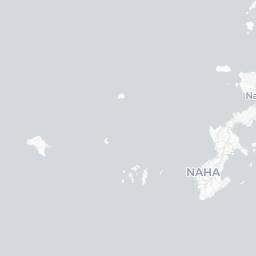
Naha is the prefectural capital of Okinawa and home to roughly 317,000 people. It sits at the southern end of the main Okinawa Island, facing the East China Sea to the west and the Philippine Sea to the east. Geographically and culturally, it sits apart from mainland Japan — the islands were an independent Ryukyu Kingdom for centuries before annexation in 1879, and that distinct heritage still shapes the food, music, crafts, and architecture visitors encounter today.
The city suffered near-total destruction in the Battle of Okinawa in 1945, so most of what travelers see has been rebuilt. Despite this, the Ryukyuan identity is deliberately preserved and celebrated, from the reconstructed Shuri Castle to living traditions in pottery, textile dyeing, and performing arts. Naha is compact enough to cover on foot and by monorail, making it an accessible base for exploring the wider island.
Before You Go
Visas
Japan has visa-exemption agreements with many countries, but rules vary by nationality and can change. Do not rely on secondhand information. Check the TravelerPulse Visas section and the official website of the Japan Ministry of Foreign Affairs before you travel.
Climate
Naha is subtropical. Summers (June–September) are hot, humid, and subject to typhoons; some years bring multiple direct hits that can disrupt flights and close attractions for days. Spring (March–May) is warm and increasingly popular. Winter is mild by most standards — daytime temperatures typically remain above 15 °C — making it a draw for visitors from colder parts of Japan. Verify current typhoon forecasts via Japan Meteorological Agency if traveling June through October.
Health & Vaccinations
No vaccinations are legally required for entry into Japan from most countries. Standard travel health precautions apply. Japan has an excellent public health system. Prescription medications should be brought in sufficient supply with documentation, as some foreign medications are restricted under Japanese law.
Money
Japan remains heavily cash-based in smaller establishments. ATMs at 7-Eleven convenience stores and Japan Post offices reliably accept international cards; bank ATMs may not. Notify your bank before travel.
Getting There
By Air
Naha Airport (OKA) is the main gateway and one of the busiest airports in Japan. It handles direct international flights from several Asian cities (including Taipei, Seoul, Shanghai, Hong Kong, and others) as well as frequent domestic connections from Tokyo (Haneda and Narita), Osaka, Fukuoka, and many other Japanese cities. Flight time from Tokyo is approximately two and a half hours. Verify current routes and schedules directly with airlines or booking platforms, as service changes.
From the Airport
The Okinawa Urban Monorail (Yui Rail) connects Naha Airport directly to central Naha, including Omoromachi, Makishi, and the terminal at Shuri. Journey time to Kokusai-dori area is roughly 15–20 minutes. Taxis are available at the airport; confirm fares before departure. Buses also serve various parts of the island from the airport bus terminal.
By Sea
Long-distance ferries operate between Naha and ports on the Japanese mainland (Osaka, Kobe, Tokyo) as well as to outlying Okinawan islands. Schedules and operators change seasonally; verify with ferry companies before planning around sea travel.
Getting Around
Yui Rail (Monorail)
Naha's Yui Rail is the only rail transit in Okinawa Prefecture. It runs a single line of 19 stations from Naha Airport through central Naha to Tedako-Uranishi in the northwest. It is reliable, air-conditioned, and covers most major tourist sites in the city itself. IC cards (such as Suica or ICOCA) work on the system.
Buses
Buses are the primary public transit for areas beyond the monorail line and for the rest of Okinawa Island. The network can be complex for first-time visitors; route maps and apps in English are available but verify current information locally. The Naha Bus Terminal near Asahibashi Station is a major hub.
Taxis & Ride Services
Taxis are metered and generally reliable in Naha. English communication can be limited; having your destination written in Japanese is helpful. Standard ride-hailing apps common in other countries have limited presence in Japan — verify availability before relying on them.
Rental Car
A rental car is the most practical way to explore beyond Naha. International Driving Permits (based on the 1949 Geneva Convention) are required for most foreign visitors; confirm which permit your license qualifies for before travel. Traffic drives on the left.
Things to See & Do
Shuri Castle (Shurijo)
The reconstructed palace of the Ryukyu Kingdom is Naha's most recognized landmark and part of a UNESCO World Heritage Site. The main hall (Seiden) was badly damaged by fire in October 2019 and restoration work is ongoing; portions of the castle grounds remain accessible while reconstruction continues. Check the official Shurijo Castle Park website for the current state of restoration before your visit.
Kokusai-dori
Translated as 'International Street,' this 1.6-kilometer boulevard is Naha's main tourist and shopping artery. Lined with souvenir shops, restaurants, bars, and department stores, it is busy and commercial — useful for orientation, picking up gifts, and finding a meal. Side streets off Kokusai-dori, particularly the Heiwa-dori and Mutsumi-dori covered markets, are worth exploring for a less packaged atmosphere.
Makishi Public Market (Daiichi Makishi Ko-market)
This multi-level covered market near Kokusai-dori is a working food market selling fresh fish, pork, tropical fruits, and local produce. The market underwent renovation in recent years; verify current operating arrangements locally. It provides a genuine look at local eating habits, including cuts of pork not commonly seen elsewhere in Japan.
Tsuboya Pottery District
A short walk from Kokusai-dori, Tsuboya has been a center of Okinawan ceramics (yachimun) for over 300 years. Workshops, galleries, and small shops line the old stone-paved lane. The Tsuboya Pottery Museum contextualizes the tradition. Even without buying, it is one of the most atmospheric corners of central Naha.
Naminoue Shrine and Beach
Naminoue Shrine sits on a cliff overlooking a small urban beach just minutes from the city center. The beach is modest by Okinawan standards but offers a quick escape from the streets. The shrine itself is considered the most important Shinto shrine in Okinawa.
Fukushuen Garden
A Chinese-style garden in the Kume district, built to commemorate ties between Naha and Fuzhou, China. Quiet and well-maintained, it offers a contrast to the busier parts of the city. Verify current admission fees and hours on arrival or via the city's official tourism resources.
Food & Drink
Okinawan Cuisine
Naha is the best place to explore Ryukyuan and Okinawan food, which differs substantially from mainland Japanese cuisine. Pork features heavily — every part of the animal is used — and dishes are often simmered in soy sauce, mirin, and awamori. Key dishes to try include rafute (braised pork belly), goya champuru (bitter melon stir-fry with tofu, egg, and often Spam), soki soba (Okinawan noodles in a clear broth with soft-braised pork ribs), and taco rice (a local fusion of taco ingredients served over rice, invented near a US military base).
Awamori
Okinawa's indigenous distilled spirit is made from long-grain indica rice and koji mold. It differs from mainland shochu in production method and is aged in clay pots. Izakayas and dedicated awamori bars in Naha offer tastings of various ages and producers. Older aged awamori (kuusu) tends to be smoother and more expensive.
Dining Areas
Kokusai-dori and the surrounding market streets have the highest density of restaurants catering to visitors. The Matsuyama district has a concentration of bars and evening dining spots. For more local, less tourist-oriented eating, explore neighborhoods away from the main drag. Most restaurants display plastic food models or picture menus; pointing works well where language is a barrier.
Shopping
Naha offers a range of crafts rooted in Ryukyuan tradition alongside standard Japanese retail. The most distinctive local products include yachimun (Okinawan pottery, characterized by bold, colorful glazes), bingata (traditional stencil-dyed fabric), Ryukyu glass (originally made from recycled US military glass, now a recognized craft), and shisa figurines (the lion-dog guardian statues seen on rooftops across Okinawa).
Kokusai-dori and its covered arcade side streets are the primary shopping zone, with both mass-market souvenir shops and independent craft stores. Tsuboya Pottery Street is better for authentic, higher-quality ceramics directly from workshops. Department stores in the Omoromachi area stock a broader range of goods. Duty-free shopping is available at Naha Airport for qualifying purchases; confirm eligibility rules with the retailer.
Practical Information
Emergency Numbers
In Japan, dial 110 for police and 119 for fire and ambulance services. These are nationwide numbers that apply in Naha.
Internet & SIM
Japan has excellent mobile connectivity. Pocket Wi-Fi rentals and prepaid tourist SIM cards are widely available at Naha Airport on arrival. Many hotels, cafes, and convenience stores offer free Wi-Fi.
Convenience Stores
FamilyMart, Lawson, and 7-Eleven are ubiquitous in Naha. They provide ATMs, hot food, ready meals, toiletries, and other essentials around the clock and are genuinely useful resources for travelers.
Electricity
Japan uses Type A plugs at 100V / 60Hz (Okinawa). Most modern electronics handle this voltage, but verify your devices. Adapters are sold at the airport and electronics stores.
Pharmacies & Medical
Drug stores (Matsumoto Kiyoshi and similar chains) stock over-the-counter medications, though product names and formulations differ from other countries. For serious medical needs, Naha has hospital facilities; ask your hotel for the nearest appropriate option. Travel insurance with medical coverage is strongly recommended.
Safety
Naha is considered a low-crime city by international standards. Petty theft is uncommon but standard precautions apply. Lost property is frequently turned in to police boxes (koban); if you lose something, checking with the nearest koban or the police's lost-and-found system is worthwhile.
Natural Hazards
Typhoons are the primary safety concern, particularly from June through October. Storms can arrive with relatively short notice and typically result in businesses closing, transport suspending, and curfew-like conditions. Follow guidance from local authorities and your accommodation. Earthquakes occur throughout Japan; familiarize yourself with basic drop-cover-hold procedures. Okinawa also sits in a tsunami-risk zone; coastal areas post evacuation signage.
US Military Presence
Okinawa hosts a significant number of US military installations. This is a normal feature of life in the prefecture and does not present safety concerns for travelers, but it is part of the social and political context visitors may notice.
Local Culture & Etiquette
Okinawan culture is distinct from that of mainland Japan. The islands' centuries as an independent Ryukyu Kingdom produced a separate language (Ryukyuan/Uchinaguchi, now spoken mainly by older residents), its own musical traditions (featuring the three-stringed sanshin), performing arts (Ryukyuan dance, designated as UNESCO Intangible Cultural Heritage), and religious practices that blend animism, ancestor veneration, and influences from China.
The legacy of World War II — Okinawa was the site of one of the Pacific War's bloodiest battles, with enormous civilian casualties — remains an important part of local identity. The Peace Memorial Park south of Naha (in Itoman) is a significant and sober site. Engaging respectfully with this history is part of understanding Okinawa today.
Standard Japan etiquette applies in Naha: remove shoes when indicated at entryways, speak quietly in public spaces, avoid eating or drinking while walking on streets (though this norm is somewhat relaxed in tourist areas), and follow temple and shrine protocols. Tipping is not practiced in Japan and can cause confusion.