Translate
Overview
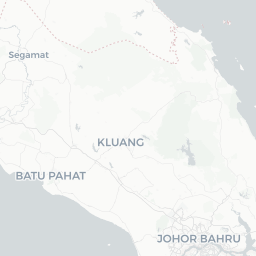
Johor Bahru — commonly shortened to JB — sits at the southern tip of the Malay Peninsula, separated from Singapore by the Strait of Johor and linked to it by the Johor–Singapore Causeway and the Second Link (Tuas) crossing. With a population of roughly 860,000, it is Malaysia's third-largest urban area and the capital of Johor state.
The city wears its position as a border town openly. Singaporeans cross regularly for cheaper food, petrol, and goods; Malaysians cross for work and commerce. This constant movement gives JB an energetic, slightly frenetic atmosphere unlike quieter Malaysian cities. The economy has expanded rapidly with the development of Iskandar Malaysia, a large economic zone that has attracted significant foreign investment and construction.
Beyond its commercial identity, JB has a genuine historic core. The Johor royal family has long based itself here, and the city retains colonial-era architecture, a compact old town, and a vibrant multicultural street-food scene shaped by Malay, Chinese, and Indian communities. Visitors willing to look past the malls and border queues tend to find a rewarding, unpretentious destination.
Before You Go
Visas
Visa requirements depend on your nationality and whether you are entering solely by land from Singapore or arriving by air. For accurate, up-to-date visa rules, check TravelerPulse's Visas section and consult the official Immigration Department of Malaysia website before you travel.
When to go
Johor Bahru has a tropical climate with rain possible year-round. The southwest monsoon (roughly May–September) typically brings drier conditions; the northeast monsoon (November–January) can bring heavier rainfall. Temperatures hover between roughly 25 °C and 33 °C throughout the year. The city itself rarely floods, though some surrounding areas can be affected during heavy rain.
Public holidays and border congestion
The Johor–Singapore Causeway is one of the busiest land border crossings in the world. Crossing times can stretch to several hours during Malaysian and Singaporean public holidays, school holidays, and weekends. If you are arriving from or departing to Singapore, check border-wait information from official or crowd-sourced sources before you travel and consider crossing during off-peak hours.
Health
No specific vaccinations are mandated for entry, but standard travel health precautions apply. Dengue fever is present in Malaysia; use insect repellent. Tap water is generally not recommended for drinking; bottled water is cheap and widely available. Verify current health requirements with your doctor or a travel health clinic before departure.
Getting There
By air
Senai International Airport (JHB) is located approximately 25 km north of the city centre. It handles domestic routes and a number of regional international connections. Taxis and private hire services operate from the airport; verify current fares and options locally or at the airport's official information desk.
By road from Singapore
The Johor–Singapore Causeway connects Woodlands in Singapore to the JB city centre. The Second Link (Tuas–Gelang Patah) in the west is often less congested, particularly for private vehicles. Buses operate between Singapore's Queen Street Terminal and Larkin Bus Terminal in JB, among other routes; check current operators and schedules locally or via bus company websites.
By rail
KTM Komuter trains operate from JB Sentral station (adjacent to the Causeway customs complex) northward into the Malaysian rail network, with connections to Kuala Lumpur and beyond. The long-planned Johor Bahru–Singapore Rapid Transit System (RTS Link) was under construction at the time of writing; verify its operational status before your trip, as it would significantly ease border crossing for rail passengers.
By bus (domestic)
Larkin Sentral Bus Terminal is the main intercity bus hub, with services to Kuala Lumpur, Melaka, Penang, and other Malaysian cities. Verify routes and schedules with operators or at the terminal.
Getting Around
Ride-hailing and taxis
Grab is the dominant ride-hailing platform in JB and is the most practical option for most visitors. Metered taxis exist but are less commonly used; if you use one, confirm the meter is running or agree on a fare beforehand.
Buses
Public buses cover many parts of the city and are inexpensive, but routes can be confusing for first-time visitors. Ask locally or at your accommodation about useful routes.
Walking
The historic city centre — roughly the area between JB Sentral, Jalan Wong Ah Fook, and the waterfront — is walkable in the cooler morning and evening hours. Heat and humidity make extended midday walking uncomfortable.
Car rental
Renting a car is a popular option, especially for reaching the Second Link crossing or Legoland Malaysia Resort in Nusajaya. An international driving permit is recommended for foreign visitors; verify requirements with the rental company.
Where to Stay
JB offers accommodation across a wide range of price points, from budget guesthouses in the old town to international chain hotels near the Causeway and in the newer Medini/Nusajaya development zone.
The city centre (near JB Sentral and Jalan Wong Ah Fook) is convenient for crossing to Singapore and for accessing historic sites and food. Nusajaya is better placed for Legoland and the Second Link, but is farther from the city's cultural attractions.
Verify current hotel availability, rates, and reviews on booking platforms before your trip, as the hospitality market in JB has expanded significantly in recent years.
Things to See & Do
Historic and cultural sites
- Sultan Ibrahim Jamek Mosque (Masjid Sultan Ibrahim) — a landmark mosque on a hilltop above the Strait of Johor with Saracenic and Moorish architectural elements. Dress modestly and verify visiting hours locally.
- Istana Besar (Grand Palace) — the former royal palace, now housing the Royal Abu Bakar Museum. Check current opening hours and admission fees before visiting.
- Arulmigu Sri Rajamariamman Temple — one of the most ornate Hindu temples in Johor, notable for its elaborate gopuram tower.
- Old Chinese Temple (Johor Old Chinese Temple / Johor Bahru Old Chinese Temple) — a multidenominational temple complex that is among the oldest in the region.
- Jalan Dhoby and the Straits of Johor waterfront — colonial-era government buildings and a pleasant waterfront esplanade.
Theme parks
- Legoland Malaysia Resort — located in Nusajaya (Medini), roughly 30–40 minutes from the city centre. Malaysia's first international theme park; best suited to families with children. Verify current admission prices and opening hours on the official website.
- Hello Kitty Town and Thomas Town — also in Puteri Harbour, Nusajaya; family-oriented attractions. Verify current operational status before visiting.
Neighbourhoods and markets
- Pasar Malam (night markets) — temporary night markets rotate around the city on different evenings; ask locally for current locations.
- Danga Bay — a waterfront leisure area with restaurants and occasional events.
Day trips
Several worthwhile destinations are within 1–2 hours of JB; see the Nearby section below.
Food & Drink
Johor Bahru has a strong food culture, and eating well is one of the main reasons visitors — including many Singaporeans — come here. The city's multicultural heritage means Malay, Chinese, and Indian cuisines coexist, often just streets apart.
What to eat
- Mee Rebus Johor — a distinctive local version of this braised noodle dish, often thicker and richer than versions found elsewhere in Malaysia.
- Laksa Johor — a unique Johor preparation made with thick spaghetti-like noodles in a fish-based curry sauce; considered a state speciality.
- Roti Canai and Teh Tarik — ubiquitous at Indian Muslim (mamak) stalls, available from early morning.
- Dim Sum — JB has a well-regarded Cantonese dim sum scene; many restaurants open early and are busy on weekend mornings.
- Cendol — a popular shaved-ice dessert with coconut milk, palm sugar, and pandan jelly; widely available at hawker stalls.
Where to eat
Hawker centres, coffeeshops (kopitiams), and food courts offer the most affordable and often the most authentic meals. City Square mall food court, the stalls around Jalan Wong Ah Fook, and the Pasar Mahmoodiah market area are frequently cited by locals, but the scene shifts; ask your accommodation for current recommendations.
Drink
Alcohol is available at Chinese-run restaurants, bars, and supermarkets, but is not served at halal establishments. The city has a modest but growing bar scene, particularly around the Danga Bay and Taman Pelangi areas. Verify current spots locally, as openings and closings happen frequently.
Shopping
Shopping is a primary draw for visitors arriving from Singapore, where prices for many goods, fuel, and groceries are considerably higher. JB has a dense concentration of shopping malls along and near Jalan Wong Ah Fook and the city centre.
- AEON Tebrau City and AEON Bukit Indah — large suburban malls popular for groceries, household goods, and clothing.
- City Square Johor Bahru — the closest major mall to the Causeway and JB Sentral, convenient for a quick shopping stop.
- KSL City Mall — a large mixed-use mall with a wide retail selection.
- Mid Valley Southkey — a newer, sizeable mall in the Southkey development.
For more local goods, the Johor Bahru city centre streets — particularly around Jalan Tan Hiok Nee — have independent shops, cafés, and some boutique retail. Tan Hiok Nee street has been partially pedestrianised and is a pleasant area to browse.
Practical Information
Money
ATMs are widely available throughout the city, including in malls and at the border crossing areas. Credit cards are accepted at hotels, malls, and many restaurants; smaller hawker stalls and coffeeshops typically prefer cash.
Connectivity
Mobile data coverage in JB is generally good. Tourist SIM cards from Malaysian carriers (Maxis, Celcom, Digi, U Mobile) are available at the airport, malls, and convenience stores. Check current prices and data plans locally. Note that your Malaysian SIM will not automatically work in Singapore; roaming charges or a separate Singapore SIM may apply if you cross the border.
Emergency numbers
General emergency (police, fire, ambulance): 999 (Malaysia). For the most current emergency contact information, verify locally or via the Malaysian government's official channels.
Electricity
Malaysia uses Type G (British-style three-pin) plugs at 240V/50Hz. Travellers from countries using different standards will need an adapter and possibly a voltage converter.
Tipping
Tipping is not customary in Malaysia. Some upscale restaurants include a service charge. Rounding up informally is appreciated but not expected.
Time zone
Johor Bahru observes Malaysia Standard Time (MST), UTC+8, the same as Singapore Standard Time (SST). No daylight saving time is observed.
Safety
Johor Bahru is a functioning Malaysian city and is generally safe for travellers who exercise normal urban precautions. Petty theft — bag-snatching in particular — has historically been more of a concern here than in some other Malaysian cities; keep bags on the side away from traffic, avoid displaying expensive electronics openly, and be alert in crowded areas.
Road safety is a general concern across Malaysia; exercise caution as a pedestrian and note that traffic moves on the left. The Causeway area, particularly on foot during busy periods, can be congested and chaotic; stay aware of your surroundings.
Consult your government's official travel advisory for the most current safety assessment before you travel.
Local Culture & Etiquette
Johor Bahru reflects Malaysia's broader multicultural fabric — Malay, Chinese, and Indian communities each have deep roots in the city, and their traditions, festivals, and cuisines coexist visibly. The Johor royal family maintains a prominent presence and identity in the city; the royal household has historically exercised more direct political influence in Johor than royals in some other Malaysian states.
Islam is the official religion of Malaysia, and the majority of the Malay population is Muslim. When visiting mosques or certain temples, dress modestly (cover shoulders and knees; remove shoes where required). During the fasting month of Ramadan, eating and drinking in public in front of those fasting is considered disrespectful; many non-halal restaurants remain open but may screen their entrances.
The pace of life in JB is more relaxed than in Singapore, and interactions tend to be informal and friendly. A basic greeting in Bahasa Malaysia — Terima kasih (thank you) — is appreciated. Business and casual conversation often switches fluidly between Malay, English, and local Chinese dialects.