Overview
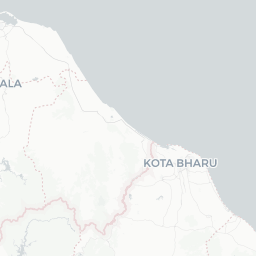
Kota Bharu is the capital of Kelantan, Malaysia's northeasternmost state on the peninsula, sitting close to the Thai border along the Kelantan River. With a population approaching 570,000, it is a substantial regional city that functions as the cultural and commercial hub for the surrounding state.
The city is widely regarded as one of the strongest centres of traditional Malay culture in the country. Wayang kulit (shadow puppetry), dikir barat (choral performance), batik-making, and top-spinning (gasing) have deep roots here, and visitors can observe or participate in some of these traditions more authentically than almost anywhere else in Malaysia.
Kelantan is governed under a conservative Islamic framework, which shapes the city's rhythms — including Friday closures of many businesses — without being unwelcoming to non-Muslim visitors. Understanding this context before arrival makes for a smoother and more respectful experience.
The city's compact central area is walkable, and its wet market, museum cluster, and craft villages are within easy reach of one another, making Kota Bharu a rewarding short stop on a broader northeastern Malaysia or southern Thailand itinerary.
Before You Go
Visas
Malaysia has visa-free arrangements with many nationalities, but entry rules change. Check TravelerPulse's Visas section and verify your specific situation with Malaysia's official immigration authority (Immigration Department of Malaysia) before travel.
Monsoon season
Kota Bharu sits on the east coast and receives the full force of the Northeast Monsoon, typically November through January. Flooding can affect roads and rural access during this period. If visiting then, monitor local weather updates and allow flexibility in your plans.
Friday closures
Many shops, markets, and some government-linked attractions close or reduce hours on Fridays for midday prayers. Plan museum and market visits accordingly — Thursday evenings are often lively at the night market instead.
Dress and conduct
Modest dress is expected and appreciated throughout Kota Bharu, particularly near mosques, markets, and government buildings. Covering shoulders and knees is practical advice for all visitors regardless of gender. Alcohol is not readily available in the city, and public displays of affection are culturally discouraged.
Getting There
By air
Sultan Ismail Petra Airport (KBR) is located a few kilometres from the city centre and receives domestic flights from Kuala Lumpur (via Malaysia Airlines and AirAsia) and several other Malaysian cities. Check current routes and schedules directly with airlines, as these change seasonally.
By train
Kota Bharu is not on the main KTM Intercity rail network. The nearest station on the Jungle Railway (KTM Komuter/ETS does not serve this line) is Wakaf Bharu, a short taxi or bus ride from the city centre. The Jungle Railway connects southward through the interior of the peninsula to Gemas. Journey times are long; verify current timetables with KTM Berhad.
By bus
Long-distance buses connect Kota Bharu to Kuala Lumpur, Penang, and other major Malaysian cities. The main bus terminal is at Bas Ekspress Terminal Kota Bharu — confirm schedules and operators locally or at your point of origin.
From Thailand
Kota Bharu is approximately 50–60 km from the Rantau Panjang–Sungai Kolok border crossing with Thailand. Shared taxis and buses operate this route. Border crossing hours and procedures should be confirmed in advance, as they can change.
Getting Around
The central core of Kota Bharu — covering the markets, museum complex, and main shopping streets — is compact enough to explore on foot. Distances between the central market and the museum row are manageable in the early morning or late afternoon when temperatures are more moderate.
Taxis are the most practical option for reaching areas outside the centre, including craft villages and the airport. Ride-hailing apps (Grab is widely used in Malaysia) may have coverage here; verify availability upon arrival as it can be spottier than in larger cities.
Local buses operate within the city and to surrounding districts but routes and schedules are best confirmed locally. Renting a motorcycle or bicycle is popular among independent travelers and available from some guesthouses; traffic is moderate by Malaysian city standards.
Things to See & Do
Markets
The Bazaar Buluh Kubu (Central Market) is one of the most visually striking wet markets in Malaysia. The lower floors are dedicated to fresh produce, fish, and meats; upper floors carry dry goods and local snacks. It is busiest in the mornings. The nearby Pasar Siti Khadijah (the name sometimes used for the same complex) is famous for the predominantly female vendors who run the stalls — a long-standing local tradition.
Museum district
Several museums are clustered along Jalan Hospital near the Padang Merdeka (town square). These include the Istana Jahar (Royal Customs Palace), which houses exhibits on Kelantanese royal traditions and crafts; the Istana Batu (Royal Museum); and the War Museum (documenting the World War II Japanese landing at nearby Pantai Cahaya Bulan). Opening hours and admission fees should be verified locally or at the sites.
Traditional crafts
Kota Bharu and its surrounding villages are significant centres for batik production, silversmithing, kite-making (wau), and hand-woven songket fabric. Several workshops and cottage industries welcome visitors. The Kraftangan Malaysia complex and some independent workshops allow observation of production — inquire at your accommodation for current recommendations.
Pantai Cahaya Bulan
Formerly known as Pantai Cinta Berahi, this beach about 10 km north of the city is the closest coastal option. It is a modest beach by Malaysian standards and better suited to a local outing than a dedicated beach holiday, but it offers a pleasant afternoon with historical significance as the site of the 1941 Japanese landings.
Cultural performances
Traditional performances including wayang kulit and dikir barat are occasionally staged for visitors, often at the Cultural Centre near the central market area. Schedules are irregular; ask locally or check with Tourism Kelantan for current programming.
Food & Drink
Kelantanese food is distinct within Malaysian cuisine — generally sweeter and with Thai-influenced profiles more pronounced than in western Malaysian states. Nasi kerabu (blue-hued rice served with herbs, coconut, and fish) is the signature dish and widely available at hawker stalls and local restaurants. Other staples include nasi dagang (glutinous rice cooked in coconut milk, typically served with tuna curry), ayam percik (grilled chicken with coconut marinade), and solok lada (stuffed peppers).
Breakfast at the central market is a reliable way to eat well and cheaply. Stalls open early and the variety is substantial. For evening meals, the area around Jalan Padang Garong hosts night market stalls and local restaurants. As alcohol is not widely sold in Kota Bharu, dining culture centres on food rather than nightlife. Fresh fruit juices, coconut water, and a variety of local sweet drinks are readily available.
Halal standards are universally observed. Visitors with dietary needs outside halal (e.g. vegetarians seeking non-meat protein options) will find some options but should be prepared to ask vendors directly about ingredients.
Shopping
Kota Bharu is one of the better places in Malaysia to buy authentic traditional crafts directly from producers. Batik cloth — both hand-drawn (batik tulis) and block-printed — is available across a range of price points. Songket weaving, silverwork, and wau kites make distinctive souvenirs. Quality and authenticity vary; buying from craft centres or directly from workshops rather than generic tourist shops generally yields better results.
The central market area and surrounding streets carry everyday goods, local snacks for gifting (dodol, keropok lekor), and household items. Larger modern shopping centres exist in the city for practical needs. Bargaining is not universally expected in fixed-price shops but is more common at market stalls — read the context before negotiating.
Practical Information
Money
ATMs are available throughout the city centre. Major banks and money changers operate in the central area. Credit cards are accepted at hotels and larger restaurants but cash remains important for markets, hawker stalls, and smaller shops.
Connectivity
Mobile coverage (4G) is available in the city. Local SIM cards with data can be purchased at convenience stores and phone shops — bring your passport. Wi-Fi is available at most hotels and some cafes.
Health
Standard travel health precautions for tropical Southeast Asia apply: ensure routine vaccinations are current, use insect repellent (dengue is present in the region), and drink bottled or boiled water. Consult a travel health professional before your trip.
Emergency contacts
For police, ambulance, or fire emergencies in Malaysia, the general emergency number is 999. Verify the address and contact details of the nearest hospital upon arrival.
Time
Kota Bharu operates on Malaysia Standard Time (MYT, UTC+8). There is no daylight saving time.
Safety
Kota Bharu is generally considered safe for travelers. Petty theft is a concern at busy markets as it is in most cities — keep bags closed and be aware of your surroundings in crowded areas. Violent crime targeting tourists is not a defining risk, but standard urban caution applies after dark.
Women traveling solo report that Kota Bharu's conservative social environment can actually feel reassuring in some respects — street harassment is not a noted problem. Modest dress helps avoid unwanted attention and is simply appropriate for the city.
The border region with southern Thailand has historically experienced security concerns in the Thai provinces immediately north. Stay informed about current conditions if you plan to cross or travel toward the border area. Check your government's travel advisory for Malaysia and Thailand before departure.
Local Culture & Etiquette
Kota Bharu is the city most often cited when Malaysians discuss the preservation of Malay cultural identity. This is genuine rather than performative — traditional arts are practiced here as living culture, not primarily for tourist consumption. Visitors who approach with curiosity and respect will often find locals willing to explain or demonstrate crafts and customs.
The city operates under PAS (Malaysian Islamic Party) governance, which has shaped local ordinances around dress codes, entertainment venues, and public conduct for decades. This is simply the local norm rather than a restriction directed at tourists. Non-Muslim visitors are not legally compelled to follow Islamic practices but are expected to behave with cultural sensitivity in public spaces.
Photography at markets and public spaces is generally accepted, but always ask permission before photographing individuals, particularly at religious sites or of women in conservative dress. Removing shoes before entering homes, prayer spaces, and some traditional buildings is standard practice.