Overview
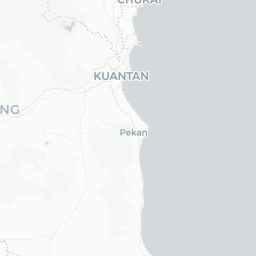
Kuantan is the capital of Pahang, Malaysia's largest state by land area, and sits on the northeast coast of Peninsular Malaysia where the Kuantan River meets the South China Sea. With a population of roughly 548,000, it functions as a regional administrative and commercial hub while remaining approachable in scale — easy to navigate and rarely overwhelmed by crowds.
The city is best known to travelers as an access point for the east coast's relatively unspoiled beaches and as a staging post for journeys deeper into Pahang's interior, toward Taman Negara or the Cameron Highlands. That said, Kuantan holds its own as a destination: a pleasant beachside park at Teluk Chempedak, a riverfront esplanade, a vibrant night-market food culture, and a scatter of mosques and heritage buildings that reflect the city's mixed Malay, Chinese, and Indian communities.
The city's pace is unhurried by Malaysian urban standards. It lacks the relentless density of Kuala Lumpur or Penang, which makes it a good reset point on a longer east coast road trip. Most attractions are within a short drive of the city centre, and the coastal road north toward Cherating and Kemaman rewards a half-day excursion.
Before You Go
Visas
Malaysia operates a relatively open visa regime for many nationalities, but rules change. Do not rely on generalizations. Check TravelerPulse's Visas section for your passport and verify current requirements directly with Malaysia's official immigration authority (imigresen.gov.my).
Monsoon season
Kuantan's east-coast location means it is significantly affected by the northeast monsoon, typically running from November through February. Heavy rain, rough seas, and intermittent flooding can occur during this period. Several beach facilities and boat-based tours close or operate on reduced schedules. If your visit falls during these months, build flexibility into your plans.
Health
No vaccinations are mandatory for most travelers arriving in Malaysia, but standard travel health precautions apply. Dengue fever is present in the region; use mosquito repellent, particularly at dusk. Tap water quality varies — bottled or filtered water is the norm for drinking. Consult a travel health clinic or your doctor before departure.
Connectivity and cash
Mobile coverage (4G) is reliable in the city and along main roads. Wi-Fi is standard in hotels and most cafés. ATMs are widely available in the city centre and shopping malls. While cashless payments (e-wallets and card) are increasingly accepted, smaller stalls and markets still operate on cash.
Getting There
By air
Kuantan Airport (KUA) is served by domestic flights, primarily connecting to Kuala Lumpur. Check current airline schedules and routes directly with carriers or via the airport authority, as services change seasonally. The airport is located roughly 15–18 km from the city centre; verify taxi and transfer options on arrival.
By bus
Long-distance buses connect Kuantan to Kuala Lumpur, Singapore, Kota Bharu, and other east coast towns. Journey time from Kuala Lumpur is approximately 3.5–4.5 hours depending on traffic and the route taken. The Kuantan Sentral bus terminal is the main hub. Confirm current schedules and book tickets through reputable bus booking platforms or at the terminal.
By car
Kuantan is accessible via the East Coast Expressway (LPT1 and LPT2), which links to Kuala Lumpur and runs north along the coast. Driving from Kuala Lumpur typically takes around 3–4 hours under normal conditions. Road conditions on the expressway are generally good; toll fees apply and are payable via Touch 'n Go or cash at booths — verify current rates locally.
By taxi and ride-hailing
Grab operates in Kuantan and is typically a practical and transparent option for intercity transfers from bus or airport arrival points.
Getting Around
Kuantan's city centre is compact enough to walk in places, but most attractions — including Teluk Chempedak beach, the river esplanade, and outlying sites — require a vehicle.
Grab is the most convenient option for on-demand transport and eliminates the need to negotiate fares. Standard taxi metered services also operate; confirm the fare method before boarding. Car rental is available at the airport and in the city if you plan to explore the surrounding coast and interior at your own pace.
Local buses serve the city and nearby areas but schedules and routes should be verified locally, as services can be infrequent on some corridors. For day trips to Cherating, Sungai Lembing, or Pekan, a private vehicle or day-tour arrangement is the most practical approach.
Things to See & Do
Teluk Chempedak
The city's most popular beach is set in a sheltered bay about 4 km from the centre. The area has a landscaped park, food stalls, and basic facilities. Swimming conditions vary by season — the beach is calmer and more inviting between March and October. The rocky headland on one side is good for a short walk with views up the coast.
Kuantan Riverfront (Taman Esplanade)
The esplanade along the Kuantan River offers an easy evening walk with views of the river and the Sultan Ahmad Shah State Mosque across the water. Food vendors and families gather here in the evenings, making it a low-key slice of local daily life.
Sultan Ahmad Shah State Mosque (Masjid Negeri Pahang)
One of the largest mosques in Malaysia, its blue dome and minarets are a prominent landmark. Non-Muslim visitors may enter outside prayer times, dressed appropriately (robes are available at the entrance). Confirm visiting arrangements locally.
Sungai Lembing
Around 45 km northwest of Kuantan, this former tin-mining town is notable for its colonial-era mine museum, the dawn views from Panorama Hill (an early-morning hike required), and a preserved heritage streetscape. It makes a worthwhile half-day or full-day excursion.
Gua Charas (Charas Cave)
A limestone cave complex about 25 km north of Kuantan containing Buddhist shrines and a reclining Buddha. The main cave requires climbing a flight of steps. Check current access arrangements before visiting.
Pekan — Royal Town of Pahang
About 45 km south, Pekan is the royal seat of the Sultan of Pahang and home to the Pahang State Museum, royal palaces (viewed from outside), and a quieter pace of life. A half-day trip from Kuantan is feasible.
Food & Drink
Kuantan's food scene reflects its east coast Malay character, with strong Chinese and Indian influences. Seafood is a particular strength given the city's coastal location.
What to eat
- Ikan patin tempoyak — river fish (patin/pangasius) cooked in a fermented durian paste; a Pahang specialty worth seeking out
- Nasi dagang — a popular east coast breakfast of glutinous rice cooked in coconut milk, served with fish curry
- Laksam — flat rice noodles in a thick coconut-based fish gravy, common at breakfast stalls
- Seafood — fresh fish, prawns, crabs, and clams are widely available at Chinese seafood restaurants around the city and near Teluk Chempedak
- Roti canai and teh tarik — ubiquitous at mamak stalls, available around the clock
Where to eat
The city's hawker stalls and night markets (pasar malam) offer the best value and authenticity. The area around Jalan Besar and the old town has longstanding coffee shops and food stalls. Verify current locations of markets locally, as schedules rotate by day of the week.
Alcohol is available at Chinese restaurants and some hotel bars but is not served at Malay or Muslim-operated establishments. Kuantan is not a nightlife city; evenings are better spent eating than bar-hopping.
Shopping
Kuantan has a handful of mid-size shopping malls — including Berjaya Megamall and East Coast Mall — where you'll find supermarkets, pharmacies, local fashion, and food courts. These are practical stops for supplies rather than notable shopping destinations.
For more locally specific finds, the Kuantan Parade area and the older commercial streets have batik fabric shops, traditional craft items, and dried-food stores selling east coast specialties such as keropok (fish crackers) and local kuih. Prices at fixed-price retail outlets don't require negotiation; market and stall prices may have some flexibility but hard bargaining is not the norm in Malaysia's east coast towns.
Practical Information
Emergency contacts
Malaysia's general emergency number is 999 (covers police, fire, and ambulance). The tourist police hotline is a separate service — verify the current number through Tourism Malaysia or locally on arrival.
Medical facilities
Kuantan has public hospital facilities including Hospital Tengku Ampuan Afzan (HTAA), the main government hospital for Pahang. Private clinics and hospitals are also present in the city. Travel insurance that covers medical evacuation is strongly recommended.
Electricity
Malaysia uses 240V/50Hz with Type G three-pin plugs (the same standard as the UK). Check your devices' voltage compatibility and carry an adapter if needed.
Tipping
Tipping is not customary or expected in Malaysia. Some restaurants add a 10% service charge and 6% SST; check your bill. Rounding up or leaving small change is appreciated but never obligatory.
Dress and practical comfort
Kuantan is hot and humid year-round (typically 26–34°C). Light, breathable clothing is appropriate. Cover shoulders and knees when visiting mosques or religious sites. Sunscreen and insect repellent are useful daily items.
Safety
Kuantan is generally considered a safe city for travelers. Petty theft — bag snatching and pickpocketing — occurs as in any urban area; keep valuables secure, particularly in crowded markets and when using your phone near roads.
Be cautious around the coast and river during the northeast monsoon season (November–February): sea conditions can be dangerous, and flooding is a real possibility after heavy rainfall. Heed local warnings and avoid swimming at beaches when red flags are displayed.
Road safety in Malaysia warrants attention if you are renting a vehicle. Drive defensively, and note that motorcycles often move unpredictably in city traffic. Night driving on smaller rural roads should be approached with care.
Local Culture & Etiquette
Kuantan is a predominantly Malay Muslim city, and Islamic practices shape daily rhythms in visible ways. The call to prayer is heard five times daily. During Ramadan, many Malay-operated eateries will be closed during daylight hours, though Chinese and Indian establishments remain open. Traveler behavior during this period should be respectful — avoid eating or drinking conspicuously in public spaces.
Modest dress is expected when entering mosques or government buildings — covered shoulders and long trousers or skirts. Shoes are removed before entering mosques and many traditional homes. Public displays of affection are frowned upon in conservative public settings.
Kuantan's Chinese community maintains its own cultural presence through temples, festivals, and food culture, particularly around Chinese New Year. Indian cultural festivals such as Deepavali are also observed. Visiting during any of these periods adds a layer of cultural interest but may mean some businesses are closed.