Overview
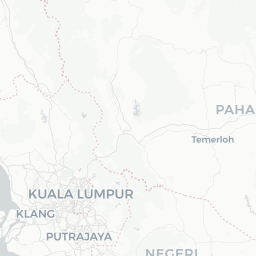
Shah Alam is the planned state capital of Selangor, located roughly 25 km west of Kuala Lumpur. Developed from the 1970s onward on former rubber plantation land, it was purpose-built with wide boulevards, generous green spaces, and a predominantly Malay Muslim character — an unusual distinction among Malaysian cities.
The city is best known internationally for the Sultan Salahuddin Abdul Aziz Shah Mosque, one of the largest mosques in Southeast Asia and an unmistakable landmark with its enormous silver and blue dome. Beyond this centrepiece, Shah Alam offers a quieter, more residential pace compared to neighbouring Kuala Lumpur, and is home to several universities, a large UITM (Universiti Teknologi MARA) campus, and a growing industrial sector.
For travellers, Shah Alam functions most naturally as a day trip from Kuala Lumpur or a stopover en route to Klang or Port Dickson. Those who linger will find pleasant lake gardens, a decent local food scene, and a glimpse of everyday Malaysian urban life away from the tourist circuit.
Before You Go
Visas
Malaysia's entry requirements vary significantly by nationality and can change. Check TravelerPulse's Visas section for an overview and always verify current requirements with the official Immigration Department of Malaysia (imi.gov.my) before travel.
Climate
Shah Alam has a tropical rainforest climate with high humidity and temperatures typically ranging from the mid-20s to low 30s Celsius year-round. Rain can arrive as afternoon thunderstorms at any time of year. The wettest months tend to fall between October and January. Light, breathable clothing and a small umbrella or rain jacket are advisable.
Dress Code Considerations
Shah Alam is a predominantly Muslim city with a conservative social character. Modest dress is respectful in public spaces and required when visiting the Blue Mosque — both men and women should cover arms and legs, and women must also cover their hair. Robes are typically available to borrow at the mosque entrance.
Practical Preparation
- Carry cash in Malaysian Ringgit; smaller eateries and local stalls may not accept cards.
- Download the Grab app (ride-hailing) before arrival — it is the most practical way to get around.
- Friday midday prayers affect the mosque's visitor access; plan accordingly.
Getting There
From Kuala Lumpur
Shah Alam is directly accessible from Kuala Lumpur via the KTM Komuter train network. The Shah Alam station sits on the Port Klang Line and the journey from KL Sentral typically takes around 30–40 minutes, depending on the service. Verify current timetables and fares on the KTM Berhad website (ktmb.com.my).
By road, Shah Alam is reachable via the Federal Highway (Route 2) or the KESAS/ELITE highways. Journey time from central Kuala Lumpur is typically 30–60 minutes depending on traffic; rush-hour congestion can extend this significantly.
From Kuala Lumpur International Airport (KLIA)
KLIA is located roughly 60 km south. The most practical route involves taking the KLIA Ekspres to KL Sentral and connecting to the KTM Komuter, or arranging a taxi or Grab ride. Verify current express train options locally as services can change.
Nearest Major Airport
Subang Airport (Sultan Abdul Aziz Shah Airport, SZB) in Subang Jaya is the closest airport to Shah Alam and handles some domestic and charter flights. Check current airline operations, as its service profile has changed over the years.
Getting Around
Shah Alam was designed around private vehicle use, with wide roads and a layout that is not particularly walkable outside specific zones. Visitors without a car will find Grab ride-hailing the most flexible option for moving between attractions.
RapidKL buses serve various parts of the city, but routes and schedules can be complex for first-time visitors. The MyRapid app or website can help with route planning; verify current routes locally.
The Shah Alam KTM station and several bus terminals provide connections to neighbouring cities like Klang and Subang Jaya. Cycling infrastructure exists in some areas, including around Shah Alam Lake Gardens, but the city at large is not easily navigable by bicycle for casual visitors.
Things to See & Do
Sultan Salahuddin Abdul Aziz Shah Mosque (Blue Mosque)
This is Shah Alam's defining landmark and one of the largest mosques in the world by capacity. Its vast silver-blue dome and four minarets are visible from a considerable distance. Non-Muslim visitors are welcome outside of prayer times; check locally for current visiting hours and any entry procedures. Entrance to the mosque complex is generally free, though verify this on-site.
Shah Alam Lake Gardens (Taman Tasik Shah Alam)
A large, well-maintained public park built around an artificial lake, popular with joggers, families, and picnickers. Paddle boats and other recreational facilities have been available here; verify current offerings locally. The park is a good place to observe everyday local life.
Shah Alam Botanical Garden (Taman Botani Shah Alam)
A sizeable botanical garden with themed gardens, walking paths, and a variety of tropical plant collections. It is a quieter escape and suits visitors interested in nature and landscaping.
i-City
A commercial and leisure development in Shah Alam that includes a shopping mall, themed attractions, and a distinctive light installation park. It is popular with local families. Entry fees and operating hours for individual attractions should be confirmed directly with the venue.
Shah Alam Stadium and Selangor Sports City
For sports enthusiasts, the Selangor Darul Ehsan Stadium (Shah Alam Stadium) hosts domestic football and occasional major events. Check local event listings for fixtures during your visit.
Food & Drink
Shah Alam has a strong Malay food culture, and the city is considered a good destination for authentic Malay cuisine within the Klang Valley. Nasi lemak, rendang, various grilled seafood dishes, and a range of Malay kuih (traditional sweets) are widely available.
Section 7, Section 13, and the area around Section 14 are neighbourhoods commonly cited by locals for their concentration of food stalls, kopitiams, and casual restaurants. Specific stalls and restaurants change frequently; asking locally or checking current Malaysian food platforms is the best approach.
Because Shah Alam has a large Muslim majority, halal food is the dominant offering and easy to find everywhere. Non-halal options (including pork-based dishes) are less common than in Kuala Lumpur but can be found in some areas frequented by non-Muslim residents. Alcohol is also less readily available than in Kuala Lumpur; verify locally.
Nightmarkets (pasar malam) operate on rotating schedules across different sections of the city throughout the week and are an excellent way to sample local street food at reasonable prices.
Shopping
Shah Alam has a modest but functional retail scene. AEON Shah Alam and Plaza Masalam are among the established shopping centres in the city, carrying a mix of fashion, groceries, and consumer goods. i-City's SummerSkye mall is a newer retail addition.
For everyday local goods, traditional markets (pasar) and the aforementioned pasar malam are more characterful than the malls. Shah Alam is not a major destination for souvenir shopping; visitors looking for Malaysian handicrafts and souvenirs are better served in Kuala Lumpur.
Practical Information
Emergency Numbers
Verify current emergency contact numbers locally upon arrival. As a general reference, Malaysia's national emergency line is 999 (police, fire, ambulance). The Tourist Police can be reached on a separate line; verify the current number through Tourism Malaysia.
Healthcare
Shah Alam has public hospitals and private clinics. Hospital Shah Alam (a public facility) is one of the main medical centres. Verify location and services locally.
Connectivity
Mobile connectivity is generally good across Shah Alam. Prepaid SIM cards are available at the airport and convenience stores. Wi-Fi is available in most shopping centres and many cafés.
Money
ATMs are widely available in malls and petrol stations. Smaller food stalls and local vendors typically prefer cash. QR code-based payment (DuitNow, Touch 'n Go eWallet) is widespread among Malaysian residents but may require a local bank account or phone number to set up.
Useful Apps
- Grab (ride-hailing and food delivery)
- MyRapid (public bus routes)
- Google Maps (generally reliable for navigation in Shah Alam)
Safety
Shah Alam is generally considered a safe city with relatively low levels of violent crime. Standard urban precautions apply: keep valuables secured, be aware of your surroundings in quieter areas at night, and avoid leaving items visible in parked cars.
Traffic is the most consistent hazard for visitors. Roads in Shah Alam are wide but fast-moving, and pedestrian infrastructure can be limited in some sections. Use designated crossings where available and exercise caution when crossing roads.
Heat and humidity can cause fatigue and dehydration, particularly for visitors unaccustomed to tropical climates. Stay hydrated, use sunscreen, and take breaks in shade or air-conditioned spaces during midday hours.
Local Culture & Etiquette
Shah Alam has a distinctively Malay Muslim identity that sets it apart from the more multicultural character of Kuala Lumpur. The city has at times implemented guidelines reflecting its conservative leanings, including dress code expectations in certain public spaces. While these are not uniformly enforced, dressing modestly is both respectful and practical.
During the Islamic fasting month of Ramadan, the city takes on a particular character — businesses may adjust hours, and some restaurants may close during daylight. Evening bazaars (bazaar Ramadan) are a highlight of the season and worth visiting if you are in the city during this period. The exact dates of Ramadan shift annually; check the Islamic calendar before travel.
Greeting locals with 'Selamat datang' (welcome) or the standard 'Assalamualaikum' (peace be upon you) in appropriate contexts is appreciated. Public displays of affection are generally discouraged, and visitors should be mindful of local norms around photography, particularly at religious sites — ask permission before photographing people.