Overview
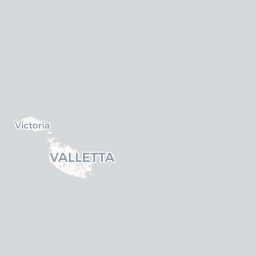
Imdina (also written Mdina) is a fortified hilltop city in the centre of Malta with a permanent population of fewer than 300 people, making it one of the smallest and quietest inhabited medieval cities in Europe. It sits on a limestone ridge roughly 200 metres above sea level, offering unobstructed views across much of the island and, on clear days, toward Sicily.
Known locally as the 'Silent City', Imdina was Malta's capital for most of the medieval period before the Knights of St John relocated the seat of government to Valletta in the sixteenth century. The result is a remarkably well-preserved urban fabric of Baroque and Norman architecture frozen largely at that point in time. Motor vehicles are almost entirely restricted to residents, which gives the city an unusually peaceful quality compared to the rest of Malta.
Despite its small size, Imdina contains a concentration of significant monuments — the Metropolitan Cathedral of Saint Paul, the Palazzo Vilhena (now a natural history museum), several noble palaces, and fortified bastions that date back to Arab and later Norman rule. Most visitors arrive as a day trip from Valletta, Sliema, or St Julian's, and the city can be explored comfortably on foot in a few hours, though lingering into the evening when day-trippers leave is well worthwhile.
Before You Go
Malta is a member of the European Union and the Schengen Area. Entry requirements depend on your nationality. For accurate, up-to-date visa information, check the TravelerPulse Visas section and the official website of Identity Malta or the Maltese government's immigration authority before travelling.
Imdina itself has very limited facilities — no ATMs inside the walls, a small number of restaurants and cafés, and no large supermarkets. Stock up on cash and any supplies in a larger nearby town such as Rabat (immediately adjacent to Imdina's main gate) or in Valletta before you visit.
The limestone streets inside the city are uneven and can be slippery when wet. Comfortable, flat-soled walking shoes are strongly advised. The city can feel very exposed in summer midday heat, so carry water and a hat if visiting July through August.
Getting There
From Malta International Airport
Imdina is located roughly in the centre of Malta, approximately 13 km from Malta International Airport (MLA). Taxis and rideshare services operate from the airport; verify current fares locally. There is no direct airport bus to Imdina.
By Bus
Malta Public Transport operates bus routes connecting Valletta and other population centres to the Rabat bus terminus, which is immediately outside Imdina's main gate. Route numbers and schedules change periodically — verify current services on the official Malta Public Transport website or app before travelling.
By Car or Taxi
Imdina is signposted from the main arterial roads crossing Malta and is straightforward to reach by car or taxi. Note that private vehicles are not permitted inside the city walls except for residents. Parking is available in designated areas just outside the main gate near Rabat.
By Tour
Many half-day and full-day organised tours from resort areas include Imdina, often combined with the Three Cities or Valletta. These are widely available through hotel concierges and tour operators across Malta.
Getting Around
Imdina is extremely compact — the entire walled city covers roughly 0.3 square kilometres. Walking is the only practical way to explore it, and most visitors can cover the main sights within two to three hours on foot.
The streets are narrow, often uneven limestone, and largely car-free. Horse-drawn carriage rides (karozzini) depart from outside the main gate and offer a short tour of the city perimeter and surroundings; verify pricing and availability locally.
The adjacent town of Rabat is walkable from the main gate and worth combining with a visit to Imdina, as it contains additional catacombs, museums, and everyday local amenities.
Things to See & Do
St Paul's Cathedral
The Metropolitan Cathedral of Saint Paul dominates the city's skyline and is one of the finest examples of Baroque architecture in Malta. The adjacent Cathedral Museum holds a notable collection including works by Albrecht Dürer and important silverware. Admission fees and opening hours should be verified directly with the cathedral before your visit.
Palazzo Vilhena — Natural History Museum
This Baroque palace near the main gate houses Malta's Natural History Museum. The building itself is architecturally significant regardless of the exhibition content. Check opening times locally or through Heritage Malta before visiting.
The Bastions and Views
Walking the length of the bastions, particularly on the northern side facing the Maltese countryside and Ta' Qali, offers some of the most expansive views on the island. The view westward toward Dingli Cliffs and the sea on a clear morning is particularly good.
Mdina Dungeons
A theatrical attraction presenting scenes from Imdina's history, aimed at families and those interested in dramatic recreations. It is privately operated; verify admission fees and current opening hours on-site or via local listings.
Norman Architecture and Palazzo Exploration
Many of the palaces lining the narrow lanes are privately owned and not open to the public, but their facades and doorways — featuring carved armorial bearings and Baroque ornamentation — are worth studying as you walk. The Palazzo Falson (Historic House Museum) is one of the few noble houses open to visitors and contains period furniture, arms, and art; verify opening hours and admission directly with the museum.
Evening Atmosphere
Imdina transforms after the day-tour coaches leave in late afternoon. Walking the empty lit streets at dusk or after dark, with the honey-coloured limestone glowing under street lighting, is considered by many visitors the most memorable experience the city offers.
Food & Drink
Dining options inside Imdina's walls are limited given the city's tiny resident population and restricted commercial activity. A small number of restaurants and cafés operate within the walls, some occupying historically significant buildings with notable views from terraces.
The adjacent town of Rabat, immediately outside the main gate, has a wider range of everyday cafés, bakeries, and local restaurants serving Maltese staples such as rabbit stew (fenek), pastizzi (flaky savoury pastries), and ftira (Maltese bread). Rabat is a practical choice for lunch or a casual meal before or after exploring Imdina.
Be aware that some dining establishments in Imdina position themselves as premium experiences and price accordingly. There is little budget-friendly food available inside the walls themselves. Carrying snacks and water is sensible, particularly in summer.
Practical Information
Currency and Payments
Malta uses the Euro. There are no ATMs inside Imdina's walls; the nearest are in Rabat. Some establishments inside accept card payments, but carrying cash is advisable.
Connectivity
Mobile coverage is generally good across Malta, including in Imdina. Free public Wi-Fi availability inside the city is limited; verify with individual cafés.
Accessibility
The uneven limestone streets and stepped passages make Imdina challenging for wheelchair users and those with limited mobility. There are few ramps or smooth surfaces inside the walls. Visitors with mobility requirements should research specific access routes carefully before visiting.
Emergency Services
Malta's general emergency number is 112, covering police, ambulance, and fire. The nearest significant medical facilities are in the greater Valletta area. Keep this number saved before you travel.
Opening Hours and Closures
Several museums and the cathedral close on Sundays and public holidays, or operate on reduced hours. Always verify current hours before building an itinerary around a specific attraction.
Safety
Imdina is a very low-crime environment. The main practical safety considerations are physical rather than security-related: uneven streets in poor light, the heat of midday summer sun, and the absence of services inside the walls if you have a medical need.
As with anywhere, keep valuables secure and be aware of your surroundings, particularly in the crowded approaches from the Rabat bus terminus during peak tourist hours. Malta overall has a low violent crime rate, but petty theft can occur in tourist-heavy areas.
Local Culture & Etiquette
Imdina has been inhabited continuously since the Bronze Age and carries layers of Phoenician, Roman, Arab, Norman, and Baroque history within its small footprint. The city's Arab name — Medina, meaning 'city' — was adapted by the Normans and eventually evolved into Mdina/Imdina. This layered heritage is visible in everything from street layout to architectural detail.
The city's permanent residents are largely members of historical Maltese noble families whose ancestors have occupied the same palaces for centuries. This is a functioning private residential community, not a theme park. Visitors are asked to keep noise to a minimum, avoid sitting on private doorsteps, and be respectful when residents go about daily life.
The Feast of Saint Paul's Shipwreck is celebrated with particular significance in Malta broadly, and Imdina holds its own religious observances tied to its cathedral. If visiting during a religious feast, expect increased local attendance and some road closures; verify the calendar of events for the period of your visit.