Overview
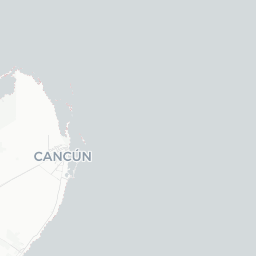
Cancún is a coastal city of nearly 900,000 people on the northeastern tip of the Yucatán Peninsula in Quintana Roo, Mexico. It sits between the Caribbean Sea and Nichupté Lagoon, giving the urban area a distinctive geography that shapes daily life and tourism alike. Though internationally recognized for its resort corridor, the city has a sizeable, functioning downtown—known as El Centro—where most permanent residents live, work, and shop.
Developed as a planned resort destination starting in the 1970s, Cancún grew rapidly into one of Mexico's busiest international tourism hubs. The Zona Hotelera (Hotel Zone) is a narrow barrier island connected to the mainland by two bridges, running roughly 22 kilometers along the Caribbean coast. Outside this strip, El Centro offers a more grounded look at everyday Mexican life, with local markets, neighborhood restaurants, and public parks.
Cancún also serves as a practical gateway to the broader Mexican Caribbean region, including the Riviera Maya, the Yucatán interior, and the island destinations of Isla Mujeres and Cozumel. Travelers who use the city purely as a transit point often miss its own cultural and culinary offerings, which have grown considerably alongside the population.
Before You Go
Visas and Entry
Entry requirements for Mexico depend on your nationality and are subject to change. Do not rely on general advice—check TravelerPulse's Visas section and the official website of Mexico's Instituto Nacional de Migración (INM) before you travel.
Health Considerations
Consult a travel medicine professional or your doctor before visiting. Mosquito-borne illnesses including dengue fever are present in the region; repellent and appropriate clothing are advisable, particularly outside the climate-controlled Hotel Zone. Tap water is not reliably safe to drink throughout the city—bottled or filtered water is the standard practice for most visitors and many residents.
Travel Insurance
Travel insurance covering medical evacuation and hospitalization is strongly recommended. Medical facilities in the Hotel Zone cater to international patients but costs can be substantial without coverage.
Currency and Payments
- ATMs (cajeros automáticos) are widely available in the Hotel Zone and El Centro.
- Credit and debit cards are accepted at most hotels, large restaurants, and chain stores.
- Smaller local establishments, markets, and transport often prefer cash in pesos.
- Dynamic currency conversion at ATMs or point-of-sale terminals usually offers an unfavorable rate; choosing to pay in MXN generally gives a better outcome.
Hurricane Season
The Atlantic hurricane season runs June through November, with the statistical peak in September. Travel insurance that covers weather-related disruptions is especially prudent if you visit during this period.
Getting There
By Air
Cancún International Airport (IATA: CUN) is the primary entry point and one of Mexico's busiest airports. It handles a large volume of direct international flights from North America, Europe, and Latin America, as well as domestic connections from Mexico City, Guadalajara, and Monterrey. The airport has multiple terminals; confirm which terminal your airline uses before arrival, as they are not all connected airside.
Transfer options from the airport to the Hotel Zone or El Centro include authorized taxis, shared shuttle vans (colectivos), and pre-booked private transfers. Ride-hailing apps operate in the city but their availability at the airport specifically should be verified locally, as regulations around this have been subject to change. Public ADO bus service connects the airport to the downtown bus terminal and is a cost-effective option for independent travelers—verify current routes and fares on the ADO website or at the airport terminal.
By Bus
Long-distance bus travel to and from Cancún is well-developed. ADO and affiliated carriers connect the city to Mérida, Playa del Carmen, Tulum, Chetumal, and points throughout the Yucatán Peninsula. The main bus station is located in El Centro. Journey times and schedules should be confirmed on the ADO website or at the terminal, as they change seasonally.
By Ferry
While not a way to reach Cancún itself, ferry services departing from Puerto Juárez (just north of El Centro) and from Punta Sam connect the city to Isla Mujeres. These are important for day-trip planning. Verify current operators, schedules, and fares locally or at the ferry docks.
Getting Around
Within the Hotel Zone
The primary public transit option in the Hotel Zone is the R-1 bus route, which runs along Boulevard Kukulcán, the main road through the strip. Buses run frequently during daytime hours and offer an inexpensive way to move between hotels, shopping malls, and beach access points. Exact schedules and fares should be confirmed locally.
Between the Hotel Zone and El Centro
The same bus network connects the Hotel Zone to downtown. Taxis are widely available throughout the city; it is advisable to agree on a fare before boarding, as not all taxis use meters. Several ride-hailing apps operate in Cancún—availability and pricing should be checked on the respective apps upon arrival.
Renting a Vehicle
Car rentals are available at the airport and at various Hotel Zone locations from international and local agencies. A rental car is most useful for day trips to archaeological sites or towns not well-served by public transport. Driving within the Hotel Zone itself offers limited advantage given traffic and parking constraints. Verify insurance requirements carefully before accepting a rental agreement.
On Foot
El Centro's central grid is walkable. The Hotel Zone's linear layout means distances between points can be deceptively long on foot; most visitors combine walking with bus or taxi for longer stretches.
Things to See & Do
Beaches
The Hotel Zone's Caribbean-facing beaches are the city's most immediate draw. Playa Delfines, near the southern end of the Hotel Zone, is one of the few beaches with free public access and parking, and is popular with local residents and independent travelers alike. Beach conditions vary by location and season; the western, lagoon-facing side has calmer water but lacks the Caribbean look that most visitors expect.
El Rey Archaeological Zone
Located within the Hotel Zone itself, the El Rey site contains the remains of a Late Postclassic Mayan settlement. It is a small but legitimate archaeological site and offers context for the broader Mayan civilization that shaped this region. Verify current opening hours and admission fees with INAH (Mexico's National Institute of Anthropology and History) or at the entrance.
Museo Maya de Cancún
This state museum on Boulevard Kukulcán houses a substantial collection of Mayan artifacts and rotating exhibits. It is one of the more substantive cultural institutions in the Hotel Zone. Verify current hours and admission fees before visiting.
Water Sports and Diving
The Caribbean coast here offers access to the Mesoamerican Barrier Reef, the second-largest coral reef system in the world. Snorkeling, scuba diving, kitesurfing, and sailing are all available through numerous operators in the Hotel Zone. Diving quality, conditions, and operator safety standards vary—seek certified operators and ask for diver-to-guide ratios before booking.
Day Trips
- Chichén Itzá: The UNESCO World Heritage Mayan site is roughly 2.5–3 hours by road; accessible by ADO bus or organized tour.
- Isla Mujeres: A smaller island reached by ferry from Puerto Juárez, known for its relaxed pace and reef snorkeling.
- Tulum: Coastal Mayan ruins and a town with a distinct character, roughly 1.5–2 hours south.
- Cobá: A Mayan site in a jungle setting, reachable as a day trip, though check current access rules as visitor policies have changed in recent years.
Food & Drink
Eating in the Hotel Zone vs. El Centro
Restaurant pricing in the Hotel Zone reflects its international clientele; quality is inconsistent and menus are frequently adjusted for tourist expectations. El Centro offers a more representative cross-section of Mexican cooking at substantially lower price points. The distance between the two areas is manageable by bus or taxi and the difference in experience is notable.
Local Food Worth Seeking
- Cochinita pibil: Slow-roasted pork with achiote and bitter orange, a Yucatecan staple found in market stalls and neighborhood restaurants.
- Sopa de lima: A lime-inflected chicken broth with fried tortilla strips, common throughout the Yucatán Peninsula.
- Mariscos: Seafood—particularly shrimp, fish tacos, and ceviche—is widely available and often excellent given the coastal location.
- Marquesitas: A popular local street snack, a thin rolled waffle typically filled with Edam cheese and a sweet spread; sold from carts, particularly in El Centro in the evenings.
Practical Notes
Tap water safety is a legitimate concern; ice in tourist-area establishments is generally produced from purified water, but this is worth confirming if you are cautious. Local markets in El Centro are the most practical settings for observing everyday food culture and finding prepared food at local prices.
Practical Information
Emergency Numbers
Mexico's general emergency number is 911, which covers police, fire, and medical services. Verify this number applies in your specific location and that your mobile phone can access it—confirm with your carrier before travel.
Communications
Mobile coverage is generally good throughout the Hotel Zone and El Centro. International roaming costs vary significantly by carrier; purchasing a local SIM card at the airport or in El Centro is an option many travelers use. Wi-Fi is broadly available in hotels and many restaurants.
Electricity
Mexico uses Type A and Type B outlets at 127V/60Hz, compatible with most North American devices. Travelers from other regions should bring appropriate adapters and check device voltage compatibility.
Tipping
Tipping is customary in restaurants (typically 10–15% of the bill is conventional in local establishments; Hotel Zone restaurants sometimes add a service charge—check the bill), for hotel housekeeping, tour guides, and drivers. Tipping in pesos is generally preferred.
LGBTQ+ Travelers
Cancún has a visible LGBTQ+ tourism offering, particularly in the Hotel Zone, and same-sex marriage is legal in Quintana Roo. Public attitudes vary between the resort corridor and more residential parts of the city; general discretion in less tourist-facing areas is something some travelers choose to exercise.
Safety
Cancún's Hotel Zone is heavily policed and oriented toward international tourism; petty theft is the most commonly reported concern for visitors in that area. Travelers should nonetheless take standard precautions: do not leave valuables unattended on beaches, be aware of surroundings at ATMs, and use established, identifiable transportation.
El Centro and areas outside the main tourist corridor require the same situational awareness you would apply in any large city. Neighborhoods vary considerably in character. Before venturing into unfamiliar areas at night, consult current local advice—hotel front desks often have reliable, up-to-date guidance.
Mexico as a country has regions with serious security concerns related to organized crime. The specific situation in Cancún and Quintana Roo changes over time; consult your government's official travel advisory website for a current assessment before and during your trip. Major source countries maintain up-to-date advisories (the US State Department, UK FCDO, Global Affairs Canada, and Australian DFAT are examples).
Ocean safety deserves specific attention: the Caribbean coast can have strong rip currents, and flag systems at beaches indicate swim conditions. Red and black flags mean swimming is prohibited or highly dangerous. These flags should be taken seriously regardless of how the water appears from shore.
Local Culture & Etiquette
Cancún's population is largely composed of people who relocated from elsewhere in Mexico—particularly the Yucatán Peninsula, Veracruz, and other states—drawn by economic opportunity over the past five decades. This migration history gives the city a culturally layered character that is distinct from older colonial cities.
The indigenous Mayan heritage of the region is historically deep but must be distinguished from the largely constructed cultural presentations offered to tourists. Authentic engagement with contemporary Mayan communities is better pursued through organized cultural tourism programs or visits to inland towns than through Hotel Zone shows. The Yucatecan cultural influence is real and visible in local food, language (some residents speak Yucatec Maya as a first or second language), and certain customs.
Catholic religious observances shape the calendar for many residents. Día de los Muertos (early November) and Semana Santa (Holy Week before Easter) are both significant, with Semana Santa in particular bringing large numbers of domestic tourists to the coast—accommodation becomes harder to find and prices typically rise during this period. Local festivals and events are worth checking through Quintana Roo state tourism channels when planning your visit.