Overview
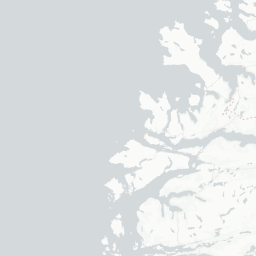
Ålesund sits on a cluster of islands and peninsulas at the mouth of the Storfjord in Møre og Romsdal, roughly halfway up Norway's western coast. With a population of just over 52,000, it is the largest city in the region and one of Norway's most architecturally distinctive towns.
A catastrophic fire in January 1904 destroyed nearly the entire city centre. Rebuilt over just three years with financial aid from Kaiser Wilhelm II and designed largely by young Norwegian architects trained in Germany, Ålesund emerged as a remarkably cohesive Art Nouveau (Jugendstil) ensemble. Turrets, ornamental facades, and decorative ironwork line the waterfront streets in a style rarely seen at this scale anywhere in the world.
Beyond the architecture, the city is defined by water. Harbours, bridges, and narrow channels connect the islands, and the skyline is ringed by mountains and sea. Fishing and aquaculture remain economically significant — the port is one of Norway's busiest for fish exports — which gives Ålesund an unpretentious, working character alongside its tourism appeal.
The city serves as a practical gateway to Geirangerfjord (a UNESCO World Heritage site), the Sunnmøre Alps, and the birdlife island of Runde, making it a useful hub rather than merely a day stop.
Before You Go
Visas
Norway is part of the Schengen Area but is not an EU member state. Visa requirements depend on your nationality. For accurate, up-to-date information check TravelerPulse's Visas section and the official Norwegian Directorate of Immigration (UDI) website at udi.no.
When to Go
- Summer (June–August): Long daylight hours (near-midnight dusk in June), the warmest temperatures, and peak season for fjord cruises and hiking. Book accommodation well in advance.
- Spring (April–May) and Autumn (September–October): Fewer crowds, lower prices, changeable weather; good for photography and coastal walks.
- Winter (November–March): Cold and often stormy on the coast, but the Sunnmøre Alps offer downhill and cross-country skiing. The city is quiet and atmospheric.
Weather
Ålesund has an oceanic climate moderated by the Gulf Stream. Summers are mild rather than warm (average highs around 18–20 °C in July); rain is possible year-round. Pack a waterproof layer regardless of season.
Health and Travel Insurance
No vaccinations are required for Norway. Travel insurance covering medical expenses and trip disruption is strongly recommended. EU/EEA citizens should carry a European Health Insurance Card (EHIC); verify coverage details before travel.
Getting There
By Air
Ålesund Airport, Vigra (IATA: AES) is located on the island of Vigra, roughly 15 km north of the city centre. It handles domestic routes operated by SAS and Norwegian, with regular services to Oslo Gardermoen, Bergen, and other Norwegian cities. A limited number of international routes operate seasonally — verify current schedules directly with airlines or the airport.
A dedicated airport bus (Flybussen) connects the airport to the city centre; the journey takes approximately 25 minutes. Taxis and car hire are also available at the terminal. Confirm current timetables and fares locally or via the airport's official website.
By Bus
Nor-Way Bussekspress and regional operators run long-distance coaches linking Ålesund with Bergen, Trondheim, and other major towns. Journey times are long but buses are comfortable. Check current routes and booking at entur.no.
By Ferry and Cruise Ship
Ålesund is a port of call for the Hurtigruten coastal voyage between Bergen and Kirkenes, with both northbound and southbound sailings calling at the city. The harbour is also a popular stop on Norwegian fjord cruise itineraries, particularly those combining Geiranger with the western coast.
By Car
The city is reached via the E136 and E39 national routes. Several stretches of road in the region involve tunnels (including sub-sea tunnels with tolls) and mountain passes that may close in winter — check vegnorge.no for real-time road conditions.
Getting Around
The city centre is compact and most Art Nouveau sights, the fish market, and the Aksla viewpoint are reachable on foot from the main harbour. Comfortable walking shoes are advisable; some streets and stairways are steep.
Local buses (operated by Fram/Møre og Romsdal Fylkeskommune) connect the islands and suburbs. Purchase tickets via the Fram app or from drivers; verify current fares and routes on fram.no.
Car hire gives the most flexibility for day trips to the Sunnmøre Alps, Runde, or the ferry terminals for Geirangerfjord. Parking in the city centre is metered; several car parks are located near the harbour.
Bicycle hire is available from some hotels and local outlets (verify locally). The flat harbour areas are cycle-friendly, though the surrounding terrain is hilly.
Water taxis and small ferry services connect some of the nearby islands seasonally — ask at the tourist information office (VisitÅlesund) for current options.
Things to See & Do
Art Nouveau Architecture
The rebuilt city centre is a UNESCO-recognised architectural heritage area. The best way to appreciate it is simply to walk the streets around Kongens gate, Løvenvold gate, and the Brosundet canal. The Jugendstilsenteret (Art Nouveau Centre) in the old Sunnmørsposten building provides context through exhibitions and guided tours — verify current opening hours and admission fees on their official site at jugendstilsenteret.no.
Aksla Viewpoint
A staircase of 418 steps (or a road for those who prefer to drive or cycle) leads to Fjellstua, the summit park on Aksla hill, with panoramic views over the city, surrounding islands, and mountains. Free to access; the café at the top has seasonal opening hours — verify locally.
Atlantic Sea Park (Atlanterhavsparken)
One of Northern Europe's largest saltwater aquariums, located about 3 km west of the centre. It focuses on species native to the Norwegian Sea and the North Atlantic. Feeding sessions and touch pools make it suitable for all ages. Check opening hours and current admission prices at atlanterhavsparken.no.
Sunnmøre Museum
An open-air and indoor museum at Borgundgavlen, roughly 4 km from the city centre, with over 55 historic buildings, a collection of traditional boats, and reconstructed Viking-age vessels. Verify seasonal hours and fees at sunnmoremuseet.no.
Runde Island
Approximately 70 km southwest of Ålesund, Runde is one of Norway's most significant seabird colonies, hosting hundreds of thousands of birds including puffins (typically present from April to August). Reached by road and bridge; guided birdwatching tours operate seasonally — enquire at the tourist office for current operators.
Fjord and Mountain Excursions
Day trips to Geirangerfjord (UNESCO listed) are a major draw. Several operators run boat tours from Ålesund or from Hellesylt and Geiranger; routes and schedules change seasonally. The Trollstigen mountain road and the Ørnesvingen (Eagle Road) viewpoint above Geiranger are popular driving routes, typically open from May to October depending on snow conditions.
Food & Drink
Ålesund's culinary identity is shaped by its fishing heritage. Fresh and cured fish — particularly klippfisk (salt-dried cod), salmon, and shellfish — appear on menus throughout the city.
The main harbour area and Brosundet canal are the focal points for restaurants, ranging from casual fish-and-chips kiosks to sit-down seafood restaurants. The fish market near the harbour is a good starting point for local produce; hours vary by season.
Klippfisk (bacalao) is a regional speciality with deep historical ties to Ålesund — the city was one of Norway's main exporters of salt cod to Southern Europe. Several restaurants serve traditional bacalao preparations alongside more contemporary Norwegian dishes.
Cafés serving pastries, open sandwiches (smørbrød), and good coffee are found throughout the centre. Norway's café culture tends toward quality rather than speed. Alcohol is sold in licensed restaurants and at Vinmonopolet (state wine and spirits shops); supermarkets sell beer up to 4.7% ABV. Prices for eating and drinking out are high by international standards.
Practical Information
Emergency Numbers
- General emergency (police, fire, ambulance): 112 (fire), 113 (ambulance), 112 (police)
- Non-emergency police: 02800
Always confirm emergency contact numbers with local sources upon arrival.
Money
Norway is largely cashless; card payment is accepted almost universally, including on buses and in small shops. ATMs are available in the city centre. Notify your bank before travelling.
Internet and SIM
Free Wi-Fi is available in most hotels, cafés, and the library. Travellers from outside the EU/EEA may find it practical to purchase a local prepaid SIM card; several mobile operators sell these at the airport and in phone shops in town.
Tourist Information
The official visitor information office (VisitÅlesund og Sunnmøre) is located near the harbour. Staff can assist with accommodation, transport, and tour bookings. Check visitalesund.com for current location and hours.
Accessibility
The city centre is generally flat near the waterfront but involves some cobblestone streets. The Aksla steps are not accessible by wheelchair; the road alternative should be confirmed locally. Atlantic Sea Park and the Sunnmøre Museum have partial accessibility — contact venues directly for specifics.
Safety
Ålesund is a low-crime city and is considered safe for travellers. Standard urban precautions apply: keep an eye on belongings in crowded harbour areas during peak season.
Outdoor activities carry inherent risks. Mountain trails and coastal paths can become dangerous in wet or icy conditions; always inform someone of your route, carry appropriate gear, and check weather forecasts (yr.no is the standard Norwegian weather service). Sea conditions in the Atlantic sector change rapidly.
If driving in winter, ensure your rental vehicle is fitted with winter tyres (legally required in Norway in winter conditions) and carry an emergency kit. Some mountain roads close entirely due to snow — check vegnorge.no before setting out.
Local Culture & Etiquette
Ålesund and the broader Sunnmøre region have a strong Nynorsk (New Norwegian) linguistic identity — one of Norway's two written standards — though residents switch comfortably to Bokmål or English. A few words of Norwegian are always appreciated but are not necessary.
Norwegian social culture values directness, personal space, and quiet. Loud behaviour in public spaces, particularly on public transport and in residential areas late at night, is considered inconsiderate. Tipping is not obligatory in Norway but is appreciated for good service; rounding up the bill or leaving 10% is common in restaurants.
The fishing industry remains a source of local pride. The annual Ålesund Fish Festival (Fiskerfestivalen) is typically held in summer and celebrates the city's maritime heritage with activities, concerts, and seafood — verify current dates with the tourist office as timing can vary.