Overview
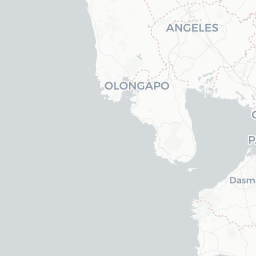
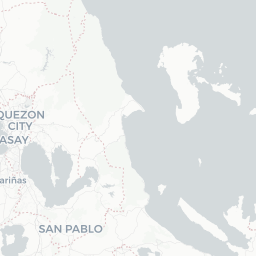
Batangas City is the provincial capital and main urban center of Batangas province in the Calabarzon region, located roughly 110 kilometers south of Manila. It sits on the eastern shore of Batangas Bay and functions as one of the Philippines' busiest port cities, serving as the primary ferry hub for travelers heading to Puerto Galera in Oriental Mindoro and to Calapan.
Beyond its role as a transit point, Batangas City has a distinct identity rooted in maritime trade, local industry, and a food culture that sets it apart from neighboring provinces. The city is compact and navigable, making it accessible for travelers who want a genuine provincial Philippine city experience rather than a resort enclave.
The surrounding province — often conflated with the city — contains some of the Philippines' most celebrated natural attractions, including Anilao (widely regarded as the birthplace of scuba diving in the country), the storied Taal Volcano and lake system, and numerous beach resorts along the Batangas coastline. The city itself serves as a practical base from which to reach these destinations.
Before You Go
Visas
The Philippines has a visa-on-arrival policy for many nationalities, but entry requirements can change. Check TravelerPulse's Visas section for up-to-date guidance, and verify current rules with the Philippine Bureau of Immigration (immigration.gov.ph) before you travel.
Health
Standard travel health precautions apply. Dengue fever is present in the region, so use mosquito repellent, especially during and after the rainy season (June–October). Consult a travel health professional about recommended vaccinations before departure. Tap water is generally not considered safe to drink; bottled water is inexpensive and widely available.
Weather and seasons
Batangas has a pronounced dry season from roughly November through May and a wet season from June through October. Typhoons can affect the region from July through November, occasionally disrupting ferry services from the port. If you are planning a diving trip to Anilao, the December-to-April window typically offers the best underwater visibility.
What to pack
- Light, breathable clothing; the city is warm year-round
- Rain gear or a compact umbrella if visiting during the wet season
- Sun protection (sunscreen, hat, sunglasses) for coastal excursions
- Modest clothing if you plan to visit churches or local communities
Getting There
From Manila by road
Batangas City is accessible from Manila via the South Luzon Expressway (SLEX) and the Star Tollway. By private car the drive typically takes two to three hours depending on traffic, which can be heavy on Friday afternoons and weekend mornings. Bus services depart regularly from the Cubao and Buendia (Gil Puyat) terminals in Manila; verify current operators, schedules, and fares locally or at the terminal, as these change.
By ferry
Batangas Port (Batangas International Port) is the city's most strategically important transport node. Multiple ferry operators run routes to Calapan, Oriental Mindoro (the gateway to Puerto Galera) and to Odiongan and other points in the Romblon/Mindoro corridor. Schedules, ferry operators, and fares should be verified directly with the port or with operators such as Montenegro Lines, 2GO, and others before travel, as services are subject to change and weather disruptions.
Nearest airports
Batangas City does not have a commercial airport. The nearest major airport is Ninoy Aquino International Airport (NAIA) in Manila. Travelers flying in should plan the overland or bus connection from Manila as part of their journey.
Getting Around
Within Batangas City, tricycles (motorcycle-powered three-wheelers) are the primary short-distance transport. Jeepneys operate on fixed routes within the city and to nearby municipalities. Both are inexpensive but negotiate or confirm the fare before boarding if it is not metered.
For reaching provincial attractions such as Anilao or the Taal area, renting a vehicle or booking a day tour through a local operator is the most practical option. Some travelers arrange jeepney or van transfers through guesthouses. Ride-hailing apps available in Manila may have limited coverage in Batangas City; verify availability locally.
The port area and the city center are close enough to walk between if you are staying nearby and traveling light, though the heat and humidity make longer walks tiring during midday.
Things to See & Do
Batangas Port and waterfront
Even if you are not catching a ferry, the port area offers a window into the city's working maritime character. The surrounding streets have local eateries and markets worth exploring.
Basilica of the Immaculate Conception
This centuries-old church in the city center is one of the oldest in Batangas province and reflects the region's deep Catholic heritage. The structure and its surrounding plaza are worth a short visit.
Day trips to Anilao
Anilao, about 25–30 kilometers from Batangas City in the municipality of Mabini, is consistently listed among the top macro-diving and muck-diving destinations in Southeast Asia. The marine biodiversity here — nudibranchs, frogfish, pygmy seahorses — draws underwater photographers from around the world. Dive resorts in Anilao handle equipment rental and guided dives; verify current operators and rates directly.
Taal Volcano and Lake Taal
While the volcano and lake are more easily approached from Tagaytay or Talisay, travelers based in Batangas City can also arrange access. Note that Taal Volcano remains an active volcano with alert levels that can change; check the Philippine Institute of Volcanology and Seismology (PHIVOLCS) advisories before planning any visit to the crater or the island.
Provincial beaches
Municipalities such as Laiya in San Juan and Nasugbu have beach resort areas popular with Manila weekenders. These are outside the city proper but reachable in under two hours by road.
Food & Drink
Lomi
Batangas lomi is the dish most associated with this province. It is a thick, starchy noodle soup made with egg noodles, pork or seafood, and a rich broth, typically finished with a beaten egg stirred in just before serving. Local lomi houses (lomihan) are found throughout the city, and eating lomi in Batangas is considered a cultural experience by Filipino food travelers. Prices are modest; verify locally.
Goto and tapsilog
Breakfast culture in Batangas City revolves around carinderias (small local eateries) serving goto (rice porridge with tripe), tapsilog (cured beef, egg, rice), and other Filipino staples. These spots are typically open early and close by late morning.
Seafood
As a port city on Batangas Bay, fresh seafood is central to the local diet. Fish, squid, and shellfish are found in wet markets and at seafood restaurants. The Palengke (public market) near the city center is a good place to see what is in season.
Local sweets and snacks
Batangas province is known for barako coffee — a bold, full-bodied variety of Liberica coffee grown in the highlands of Lipa and Alaminos. You may find it served in some local cafes and restaurants, though it is more associated with neighboring Lipa City. Look for local pastries and kakanin (rice-based sweets) in the public market.
Practical notes
Batangas City has a range of eateries from simple carinderias to more formal restaurants. International chain restaurants are present in commercial areas. The public market is the best place to buy fresh produce and local ingredients at reasonable prices.
Practical Information
Money
ATMs from major Philippine banks are available in the city center and commercial areas. Cash remains important for local markets, tricycles, and smaller eateries. Credit cards are accepted at larger establishments and some hotels, but do not rely on them exclusively.
Connectivity
Mobile data coverage (4G/LTE) from the major Philippine networks (Globe, Smart/DITO) is generally reliable within the city. Wi-Fi is available at hotels and some cafes. SIM cards are readily available at the airport or in Manila if you have not arranged roaming.
Emergency contacts
For emergencies in the Philippines, the national emergency hotline is 911. For the Philippine Coast Guard (relevant given the port), contact details are available on their official website. Verify local Batangas City hospital and police contact numbers on arrival or through your accommodation.
Opening hours
Government offices and banks typically follow standard Philippine business hours on weekdays. Markets open very early (often before dawn for fresh produce) and may wind down by early afternoon. Verify hours for any specific attraction or office locally, as these vary.
Electricity
The Philippines uses 220V/60Hz. Outlet types are predominantly Type A and Type B (flat two- and three-pin). Visitors from North America can use devices without a voltage converter; those from Europe or Australia should bring an adapter.
Safety
Batangas City is a functional provincial city and travelers generally report it as safe for ordinary urban movement. Standard precautions apply: be aware of your belongings in crowded areas such as the port and public market, avoid displaying expensive electronics unnecessarily, and use well-lit and populated routes at night.
The ferry port can be very congested on peak travel weekends (Holy Week, Christmas, summer). Arrive with time to spare and keep close watch on luggage and travel documents in the crowd.
Taal Volcano is an active geological hazard. Before planning any visit to the Taal Volcano Island or surrounding areas, check the current alert level issued by PHIVOLCS (phivolcs.dost.gov.ph). Eruptions and elevated alert levels have occurred in recent years, sometimes with little warning.
During the typhoon season (July–November), ferry services from Batangas Port may be suspended by the Philippine Coast Guard during storms. Build flexibility into your travel plans if you are using the port during this period.
Local Culture & Etiquette
Batangas people (Batangueños) are known within the Philippines for a distinct regional identity and a dialect of Tagalog that includes vocabulary and expressions not found elsewhere. Locals take considerable pride in this cultural distinctiveness, and a few words of acknowledgment go a long way.
Catholicism is central to public life. The city's fiestas and religious observances — particularly Holy Week — are major local events that draw families from across the region. If you visit during these periods, expect significant crowds and reduced availability of services and transport.
Markets and public spaces are casual and welcoming to visitors, but modest dress is expected when entering churches. Public displays of frustration or impatience are generally received poorly; a calm and patient manner is appreciated in local interactions.