Translate


Overview
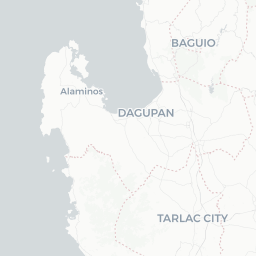
Baguio sits at roughly 1,500 metres above sea level in the Cordillera Administrative Region of Luzon, making it one of the coolest cities in the Philippines year-round. Temperatures average between 14°C and 23°C, a stark contrast to the tropical heat of Manila roughly 250 kilometres to the south.
Chartered as a city in 1909 and originally developed as a hill station during the American colonial period, Baguio retains a distinctive character shaped by that history, by Igorot indigenous culture, and by its role as an educational and arts centre. It is home to several universities and has long attracted painters, weavers, and woodcarvers.
The city suffered significant damage during the 1990 Luzon earthquake and has rebuilt substantially since. Today it functions as a commercial and tourism hub for the broader Cordillera region, serving as a logical base for exploring surrounding highland provinces such as Benguet, Mountain Province, and Ifugao.
Before You Go
Visas
Philippines visa requirements vary by nationality. For accurate, up-to-date rules, check TravelerPulse's Visas section and the official website of the Philippine Bureau of Immigration.
Climate and packing
Baguio's highland climate means evenings and early mornings can be genuinely cold by Philippine standards — bring at least one warm layer and a light rain jacket regardless of season. The wet season (June–October) brings heavy rains and occasional typhoon-related weather, which can affect mountain roads.
Health
No destination-specific vaccinations are typically required beyond standard travel health precautions for the Philippines, but consult a travel health clinic before your trip. Altitude is mild enough that acclimatisation is not a concern for most travellers.
Peak periods to know
- Holy Week (March/April): Massive domestic tourist influx; accommodation books out weeks in advance and prices rise sharply.
- Panagbenga Festival (February): The city's internationally known flower festival draws large crowds — book early if visiting then, or expect lively street activity.
- School summer break (March–May): Popular with Filipino families; expect busy parks and restaurants.
Getting There
By road from Manila
The most common route is by bus from Manila's bus terminals (primarily in Cubao, Pasay, or Sampaloc) via the NLEX and TPLEX expressways, then the winding Marcos Highway or Kennon Road into Baguio. Journey times vary considerably depending on traffic and road conditions — budget 5–7 hours as a general expectation, though delays are common especially on weekends and holidays. Several bus companies operate this route; verify current schedules and fares directly with operators or at terminals.
By air
Baguio does not currently have a commercial airport in regular operation. The nearest functioning international airport is Ninoy Aquino International Airport (NAIA) in Manila. Some travellers fly into Clark International Airport (CRK) in Pampanga, which can reduce the overland distance slightly.
By private vehicle
Driving from Manila follows the same expressway corridor. Note that road conditions on the final mountain approach can be challenging, particularly Kennon Road after heavy rain; local advisories should be checked before travel. Parking within central Baguio is limited and congested.
Getting Around
Jeepneys
The backbone of local transport. Colour-coded jeepney routes connect most parts of the city and are inexpensive. Routes can be confusing for first-time visitors — asking locals or guesthouse staff for guidance on specific routes is advisable.
Taxis and ride-hailing
Metered taxis operate in the city. Ride-hailing apps (such as Grab) are available and often the easiest option for visitors unfamiliar with jeepney routes. Verify app availability at the time of your visit as coverage can shift.
On foot
The city centre — including Session Road, Burnham Park, and the public market — is walkable, though Baguio is hilly and some routes involve significant elevation changes. Comfortable walking shoes are strongly recommended.
Tricycles
Three-wheeled motorised tricycles serve shorter, more localised trips within barangays but are generally not permitted on main roads. Useful for last-mile connections.
Things to See & Do
Parks and natural spaces
- Burnham Park: The central park designed by Daniel Burnham, featuring a man-made lake with rowboat rentals, open lawns, and a rose garden. It is the social heart of the city.
- Wright Park and The Mansion: A public park fronting the official summer residence of the Philippine president. The Mansion's gates are a popular photo stop; entry into the grounds is typically restricted. Pony rides are available at Wright Park — verify current operation locally.
- Camp John Hay: A former US military rest and recreation facility, now a mixed-use development with forest trails, a memorial garden commemorating colonial-era history, and recreational facilities. Verify which areas are publicly accessible at the time of your visit.
- Botanical Garden: A compact garden near Burnham Park featuring displays of Cordillera indigenous plants and, often, community members in traditional Igorot dress available for photos (a small fee is customary).
Culture and heritage
- Baguio Museum: Covers the history, geology, and indigenous cultures of the Cordillera region. Verify current opening hours and admission locally.
- Bell Church (Bell Temple): A Chinese-Filipino Taoist and Buddhist temple complex on a hillside north of the city, open to respectful visitors.
- Easter Weaving Room: Long associated with traditional Igorot textile weaving; verify current status and visiting arrangements before going.
Day trips from the city
Baguio is a practical base for visiting Sagada, the Banaue Rice Terraces, and the strawberry fields of La Trinidad in neighbouring Benguet — see the Nearby section for details.
Arts scene
Baguio has a well-established community of visual artists, woodcarvers, and silversmiths. The city hosted the first Panagbenga (Flower Festival) in 1995, and it remains a significant annual cultural event held each February.
Food & Drink
Local specialities
Cordillera cuisine draws on highland ingredients. Look for pinikpikan (a traditional Igorot chicken dish prepared in a specific ceremonial manner, now also found in restaurants), etag (salt-cured smoked pork, pungent and distinctive), Baguio strawberries (in season, sold fresh or as jams and preserves), ube (purple yam) products, and bagnet (Ilocano-style crispy pork), which is widely available given Baguio's Ilocano cultural influences.
Where to eat
- Session Road and surrounding streets: The city's main commercial spine is lined with casual restaurants, coffee shops, and fast-food chains serving a wide range of Filipino and international food.
- Burnham Park area: Several casual eateries and food stalls, busiest on weekends.
- Public Market: The best place to try local produce, native snacks, and street food at everyday prices. The lower ground floor food stalls are particularly popular with locals.
- Good Taste Restaurant: A Baguio institution known for generous portions of Filipino-Chinese dishes at modest prices; consistently busy — expect a wait during meal times.
Coffee
Baguio has a genuine café culture, partly driven by its university population. Cordillera-grown Benguet coffee (arabica) is worth seeking out — it is cultivated in the highlands and has a distinct flavour profile. Numerous independent cafés along and near Session Road serve it.
Shopping
Baguio Public Market
The central market is the most practical and authentic place to shop for local goods: fresh Baguio vegetables (the city supplies much of Luzon's highland produce), strawberries, dried goods, woven textiles, and handicrafts. Bargaining is customary in market stalls.
Maharlika Livelihood Center and SM Baguio
For souvenir shopping in a more organised setting, the Maharlika Livelihood Center near the market offers a concentration of craft vendors. SM Baguio, a major mall on the northern edge of the city, has views over the Cordillera and carries both mainstream retail and some local product lines.
What to look for
- Hand-woven textiles and blankets using traditional Igorot patterns
- Wood carvings (ranging from small figures to larger decorative pieces)
- Silver jewellery, a Baguio craft tradition
- Baguio strawberry jams, ube jam, and other preserved goods
- Locally grown Benguet coffee beans
Be aware that some items labelled as handmade or locally produced may be mass-manufactured. Purchasing directly from artisan workshops or cooperatives — several operate in and around the city — is the most reliable way to support genuine craftspeople.
Practical Information
Money
ATMs are widely available in the city centre, at malls, and along Session Road. Major hotels and larger restaurants accept credit cards, but smaller establishments, market stalls, and rural day-trip destinations operate on cash only. Carry sufficient pesos when venturing outside the city.
Connectivity
Mobile data coverage from major Philippine networks (Globe, Smart) is generally reliable in central Baguio. Prepaid SIM cards are available at the airport (purchase in Manila) or at network outlets and convenience stores in the city. Wi-Fi is common in cafés and hotels.
Electricity
The Philippines uses 220V / 60Hz. Outlets are typically Type A (two flat parallel pins) and Type B (two flat pins plus a grounding pin). Verify your device compatibility and bring a universal adaptor.
Emergency contacts
For any emergency in the Philippines, the national emergency hotline is 911. Verify local Baguio City police, fire, and hospital contacts on arrival or through your accommodation — specific numbers should be confirmed locally as they can change.
Safety
Baguio is generally considered one of the safer Philippine cities for travellers. Standard urban precautions apply: be aware of your surroundings in crowded areas such as the public market, keep valuables secured, and avoid displaying expensive equipment unnecessarily.
Traffic congestion is a daily reality, particularly along Session Road and the approaches into the city. Road conditions on mountain highways can deteriorate quickly during heavy rain — if travelling to more remote Cordillera areas, check road and weather advisories before setting out. Kennon Road in particular has a history of landslide risk during wet season.
The 1990 earthquake is a reminder of the region's seismic activity. Familiarise yourself with your accommodation's evacuation procedures as a routine precaution.
During major festivals and holidays, petty theft in extremely crowded settings increases marginally — this is standard caution for any festival environment, not a specific Baguio concern.
Local Culture & Etiquette
Baguio occupies a distinctive cultural position as a meeting point between Igorot highland indigenous communities (including Ibaloi, Kankanaey, Benguet, and others), Ilocano lowland migrants, and the legacy of both Spanish and American colonial presence. This layering is visible in the city's architecture, food, religious practice, and arts.
The Igorot peoples are the indigenous communities of the Cordillera. Their traditions — including weaving, ritual music, rice terrace agriculture, and indigenous spiritual practices — remain living culture, not merely tourist performance. Treat encounters with cultural expressions (traditional dress, ritual events, community gatherings) with genuine respect. If attending cultural demonstrations, ask before photographing individuals and offer appropriate acknowledgement.
The Panagbenga Festival in February is the city's largest annual celebration, featuring street dancing, float parades adorned with flowers, and performances. It is a legitimate community celebration that has grown to attract large tourist numbers — participating respectfully rather than purely spectating is appreciated.
Baguio has a significant Catholic majority, with churches playing a central role in city life. The Our Lady of Atonement Cathedral (Baguio Cathedral) on a hill above Session Road is a landmark. Dress modestly when visiting religious sites.