Overview
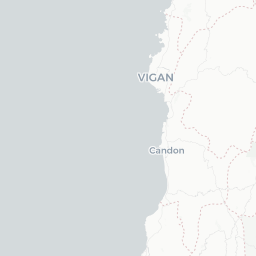
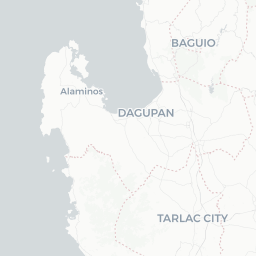
Vigan is a small city on the western coast of Luzon in the Ilocos Sur province, roughly 400 km north of Manila. It is widely regarded as the most intact example of a planned Spanish colonial town in Southeast Asia and was inscribed as a UNESCO World Heritage Site in 1999.
The city's historic core, known as the Mestizo District or Calle Crisologo area, retains its original 16th-to-19th-century urban fabric: narrow cobblestone streets, two-storey ancestral houses blending Spanish and Chinese architectural influences, and a grid layout that has survived largely intact. This is not a reconstructed heritage zone — most buildings are still in use as homes, shops, and small businesses.
Beyond the architecture, Vigan is a regional hub for Ilocano culture, handicrafts, and food. Visitors come for the historic streetscapes, calesa (horse-drawn carriage) rides, local pottery, weaving, and dishes that are distinctly different from those found in Manila or the Visayas. The city is compact enough to explore largely on foot over two to three days.
Before You Go
Visas
The Philippines operates a visa-on-arrival system for many nationalities, but entry rules change. Do not rely on this guide for visa specifics. Check TravelerPulse's Visas section and the official Philippine Bureau of Immigration website before you travel.
Climate
Vigan has a pronounced dry season from approximately November through April and a wet/typhoon-risk season from roughly June through October. The coolest and most comfortable months for sightseeing are December through February. Summers (March–May) can be very hot and humid. If traveling during the rainy season, short afternoon downpours are common but the city is generally accessible; however, typhoons can disrupt transport — monitor forecasts.
What to Pack
- Lightweight, breathable clothing; modest attire for church visits
- Comfortable walking shoes suitable for uneven cobblestones
- Sunscreen and a hat for dry-season visits
- A small umbrella or rain jacket if traveling between June and October
Health
No specific vaccinations are mandated for entry to Vigan, but standard travel health precautions for the Philippines apply. Verify current recommendations with your doctor or a travel health clinic before departure. Drink bottled or purified water.
Getting There
From Manila by Bus
The most common route is an overnight or daytime bus from Manila's Pasay or Cubao terminals to Vigan. Several bus companies operate this route; journey time is roughly 7–9 hours depending on traffic and stops. Verify current schedules and operators locally or at the terminal, as these change.
From Manila by Air + Overland
Flights operate between Manila and Laoag International Airport (the nearest airport with regular service, in Ilocos Norte, roughly 90 km north of Vigan). From Laoag, buses and vans travel south to Vigan. Alternatively, San Fernando (La Union) is served by more frequent transport from Manila and connects northward to Vigan. Check airline and bus schedules as routes and frequencies change seasonally.
From Baguio
Buses connect Baguio City to Vigan, generally taking around 5–7 hours through mountain and coastal roads. This is a scenic overland option if you are already in the Cordillera region.
Arriving in Vigan
Most long-distance buses drop passengers at or near the Vigan terminal on the edge of the city. The historic district is a short tricycle or jeepney ride from the terminal.
Getting Around
Vigan's historic core is compact and best explored on foot. The cobblestone streets of the Mestizo District are pedestrian-friendly, though uneven surfaces require care.
Calesa (horse-drawn carriage): The most iconic way to tour Calle Crisologo and surrounding streets. Drivers typically offer fixed-price tours; agree on the route and fee before boarding. Verify current rates locally.
Tricycles: The standard local transport for slightly longer distances within the city, such as reaching the Mestizo District from the bus terminal or going to the pottery village of Burnay. Agree on a fare before riding.
Bicycle and e-bike rentals: Several shops around the heritage zone offer rentals for self-guided exploration of the city and nearby areas. Verify current availability locally.
For day trips to nearby towns (Bantay, Candon, Santa Maria), local buses and vans operate from the Vigan terminal area.
Things to See & Do
Calle Crisologo and the Mestizo District
The heart of the UNESCO site is this stretch of cobblestone road flanked by well-preserved ancestral houses. Walking it — ideally in the early morning before tour groups arrive, or in the evening when it is lit and quieter — is the essential Vigan experience. The street is closed to motorized vehicles during certain hours; verify current schedules locally.
Syquia Mansion Museum
One of the ancestral houses open to the public as a museum, once home to a Philippine president's family. Admission fees apply; verify locally.
St. Paul Metropolitan Cathedral and Plaza Salcedo
The cathedral, originally founded in the 16th century and rebuilt over the centuries, anchors the city's central plaza. The bell tower of Bantay (a separate structure in the neighboring town of Bantay, a few kilometers away) is also worth visiting for views over the surrounding lowlands.
Burnay Pottery Village
Vigan is known for its traditional Ilocano burnay pottery, fired in wood-burning kilns. A cluster of workshops operates on the road south of the city. Visitors can watch artisans at work and purchase pieces directly. Verify which workshops are open before making the trip.
Vigan Heritage Village / Crisologo Museum
Several small museums within the historic district document colonial-era life, local textiles, and the Crisologo family's political history. Opening hours and admission fees: verify locally.
Loom Weaving
Inabel weaving — a traditional Ilocano textile tradition — is practiced by local weavers. Some workshops allow visitors to observe the process. The Rowilda's Loom Weaving workshop is one name that has been mentioned by travelers, but verify it is still operating.
Evening Atmosphere
Calle Crisologo takes on a different character at dusk when lanterns are lit along the street. Many visitors make a point of returning in the evening for photographs and a quieter stroll.
Food & Drink
Ilocano cuisine is one of the most distinctive regional food traditions in the Philippines, characterized by bold, salty, and fermented flavors and heavy use of pork and vegetables.
Dishes to Try
- Bagnet: Deep-fried pork belly, crispy and intensely flavored — the dish most associated with Ilocos
- Pinakbet: Vegetable stew with shrimp paste (bagoong), typically featuring bitter melon, eggplant, okra, and squash
- Longganisa de Vigan: Vigan's local sausage, garlicky and slightly fatty, typically served at breakfast with rice and egg
- Dinengdeng: A light fish-sauce-based vegetable broth
- Empanada Ilocana: A deep-fried savory pastry filled with egg, Vigan longganisa, and bean sprouts — a popular street snack sold at the plaza and market
- Tupig: A grilled sticky rice snack wrapped in banana leaf, common along the highway
Where to Eat
The area around Plaza Burgos and the public market has a concentration of casual eateries and street food stalls. Several restaurants along the heritage zone serve both Ilocano specialties and standard Filipino fare. For the freshest empanadas, the plaza vendors in the morning are a reliable choice. Specific restaurant recommendations change frequently; ask your accommodation for current suggestions.
Drink
Local basi (sugarcane wine) is a traditional Ilocano alcoholic beverage. It is available at some local shops and markets. Standard Philippine beers and soft drinks are widely available.
Shopping
Vigan is one of the better cities in the Philippines for buying locally made crafts, and most items sold in the heritage district have genuine local provenance.
- Burnay pottery: Practical and decorative earthenware; larger pieces may be difficult to transport but smaller items travel well
- Inabel textiles: Handwoven Ilocano cloth used for bags, table runners, and clothing; look for workshops selling directly to buyers
- Vigan longganisa: Vacuum-packed versions are sold for travelers to take home
- Vinegar (sukang Iloko): Sugarcane vinegar is a regional condiment; available in bottles at the public market
- Antiques and reproduction colonial items: Several shops along Calle Crisologo sell old coins, santos (religious figurines), and colonial-era objects — exercise caution and do not purchase genuine antiques without understanding Philippine regulations on cultural property export
The public market (Vigan Public Market) is the practical local shopping hub for food, produce, and everyday goods. For heritage crafts, the shops along and near Calle Crisologo are the most concentrated.
Practical Information
Money
ATMs are available in Vigan, concentrated near the city center and commercial areas. It is advisable to carry sufficient cash before arriving, as ATM availability in smaller surrounding towns is limited. Credit cards are accepted at some hotels and larger restaurants but not universally.
Connectivity
Mobile data (SIM cards from major Philippine carriers) is the most reliable way to stay connected. Wi-Fi is available at most accommodation options and some cafés. Purchase a local SIM on arrival in Manila or at larger transport hubs if needed.
Emergency Contacts
For police, fire, and medical emergencies in the Philippines, the general emergency number is 911. Verify local hospital and clinic locations with your accommodation upon arrival.
Electricity
The Philippines uses 220V/60Hz. Plug types A and B (flat two- and three-pin) are standard. Travelers from countries with different standards should bring a universal adapter.
Tipping
Tipping is not mandatory but is appreciated at restaurants and for calesa drivers and tour guides. A 10% tip at sit-down restaurants is customary if a service charge is not already included.
Safety
Vigan is generally considered one of the safer cities in the Philippines for tourists. The heritage district receives a steady flow of visitors and has a visible local presence. Standard urban precautions apply: keep an eye on bags in crowded market areas, avoid displaying expensive items conspicuously, and use reputable transport options.
The cobblestone streets, while charming, are genuinely uneven and can be a hazard in poor light or wet conditions — watch your footing, particularly in the evening.
For current safety and travel advisories, consult your government's official foreign travel advisory service before and during your trip. Conditions can change.
Local Culture & Etiquette
Vigan's identity is rooted in a layered colonial history. The city was established as a Spanish colonial settlement in the 16th century and became a significant trading port, attracting Chinese merchants (Sangley) whose architectural and commercial influence merged with Spanish urban planning to produce the hybrid building style visible today. This history makes Vigan culturally distinct from most other Philippine cities.
Ilocano culture places high value on industry, frugality, and strong regional identity. Locals are generally proud of Vigan's heritage status and the preservation efforts surrounding it.
When visiting churches, dress modestly (cover shoulders and knees) as these are active places of worship. During religious festivals — including the Vigan City Fiesta (January) and Kannawidan Ylocos Festival (February) — the city fills with cultural events, street performances, and increased crowds. These are excellent times to visit for atmosphere but require advance accommodation booking.
Ask before photographing residents in their homes or private courtyards, particularly in the heritage district where some ancestral houses are still private residences.