Overview
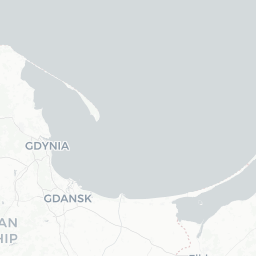
Gdańsk is a Baltic port city of roughly 487,000 people in Poland's Pomerania region, sitting at the mouth of the Motława River where it meets the Gulf of Gdańsk. For centuries it operated as one of the most important trading cities in northern Europe under the Hanseatic League, and that mercantile heritage is still legible in the tall, narrow burgher houses lining the Royal Way and Long Market (Długi Targ).
The city carries an outsized place in 20th-century history. The first shots of World War II were fired at Westerplatte, just outside the city, in September 1939. Decades later, the Gdańsk Shipyard became the birthplace of the Solidarity trade union movement, which played a central role in ending communist rule across Central and Eastern Europe. Both threads of history are well-documented and openly commemorated here.
Today Gdańsk functions as the anchor of the Tricity metropolitan area (Trójmiasto), together with Gdynia and Sopot. It has a functioning port and industrial base alongside a university, a thriving cultural scene, and a well-restored historic core that draws visitors year-round. The city is compact enough to explore largely on foot, and public transport connects it efficiently to its neighbours.
Before You Go
Visas
Poland is a member of the European Union and the Schengen Area. Visa requirements depend on your nationality, passport, and length of stay. Do not rely on generalised summaries — check TravelerPulse's Visas section and consult the official website of the Polish Border Guard or your nearest Polish consulate before travel.
Climate
Gdańsk has a temperate maritime climate influenced by its Baltic location. Summers (June–August) are mild to warm, generally 18–24 °C, with long daylight hours and occasional rain. Winters are cold and grey, with temperatures often near or below freezing from December through February. Snow is possible but not guaranteed. Spring and early autumn offer pleasant shoulder-season conditions and thinner crowds.
What to pack
- A waterproof jacket is useful in any season; Baltic weather can shift quickly.
- Comfortable walking shoes — the Old Town's cobblestones are uneven in places.
- In summer, light layers suffice; in winter, a warm coat, hat, and gloves are essential.
- A small day bag for amber shopping — you'll want hands free on Long Market.
Money
Poland uses the Polish Złoty (PLN), not the Euro. Card payments are widely accepted in hotels, restaurants, and shops, but carrying some cash is useful for smaller stalls, markets, and public transport top-ups. ATMs (bankomaty) are plentiful in the city centre. Verify current exchange rates before travel.
Getting There
By air
Gdańsk Lech Wałęsa Airport (GDN) is located roughly 12 km west of the city centre. It handles domestic Polish routes and a range of European connections. Check current airline schedules directly, as routes change seasonally. The airport is linked to the city by train (PKM commuter rail) and bus; verify current timetables and ticketing on the airport's official website or the ZTM Gdańsk transport authority site.
By train
Gdańsk Główny (the main railway station) is a well-connected hub. Intercity and express services run to Warsaw (journey times vary by service type; verify on PKP Intercity's official site), Kraków, Wrocław, and other major Polish cities. Cross-border connections to Germany and beyond are available but typically require changes; plan via the PKP Intercity or Interrail/Eurail booking tools.
By bus
Long-distance coach services connect Gdańsk to cities across Poland and several European destinations. FlixBus and domestic operators serve the city; check current routes and prices on their respective sites.
By road
Gdańsk is reachable via the A1 motorway from the south and the S6 expressway along the coast. If driving from Western Europe, the journey through Germany via the A2/E30 corridor is the most direct route. Parking in the Old Town area is limited; several paid car parks and park-and-ride options exist on the city's outskirts — verify current locations locally.
Getting Around
The historic centre — including the Main Town (Główne Miasto), the Long Market, and the waterfront Motława embankment — is compact and best explored on foot. Most key sights are within comfortable walking distance of each other once you are in the Old Town.
Gdańsk's public transport authority (ZTM Gdańsk) operates trams and buses throughout the city and into the wider Tricity area. Tickets are sold at stops, via machines, and increasingly through a mobile app; verify current fare and ticketing information on the ZTM Gdańsk official website. Trams are the most useful option for moving between the Old Town, the shipyard area, and the main train station.
The SKM and PKM commuter rail networks connect Gdańsk to Sopot and Gdynia quickly and affordably, making day trips straightforward. Cycling infrastructure has expanded in recent years, and bike rental services operate in the city; verify availability locally. Taxis and ride-hailing apps (including Bolt, which operates in Poland) are available and generally reliable.
Things to See & Do
Old Town and Royal Way
The reconstructed Główne Miasto is the visual centrepiece of Gdańsk. The Royal Way runs along Długa Street and opens into Długi Targ (Long Market), flanked by richly decorated merchant houses. The Neptune Fountain at the centre of Long Market is one of the city's most recognisable landmarks. The Green Gate (Zielona Brama) at the eastern end leads to the Motława waterfront.
European Solidarity Centre (ECS)
One of the most significant museums in Poland, the ECS stands at the historic Gdańsk Shipyard and documents the rise of the Solidarity movement, the Cold War context, and the broader story of Central European democratisation. The building's rusted steel facade is itself a considered architectural statement. Verify current opening hours and admission fees on the ECS official website.
Museum of the Second World War (Muzeum II Wojny Światowej)
A major, award-winning institution opened in 2017, presenting a comprehensive and international account of World War II rather than solely a Polish narrative. The distinctive angular tower is visible from much of the Old Town. Verify hours and admission on the museum's official site.
Westerplatte
The peninsula where German forces opened fire on a Polish military garrison on 1 September 1939 is now a memorial site with ruins, monuments, and a small museum. It is reachable by public bus or by seasonal boat from the Motława embankment — verify current schedules locally.
St Mary's Church (Bazylika Mariacka)
One of the largest brick Gothic churches in the world, St Mary's dominates the Old Town skyline. Visitors can climb the tower for panoramic views over the city and the Baltic coastline — verify access conditions and any entry fees locally.
Amber Museum and the Amber trade
Gdańsk has been a centre of amber trade for centuries, and the Amber Museum (housed in the Prison Tower and Torture Chamber complex) tells that geological and commercial story. The city has a dense concentration of amber jewellers and galleries, particularly on Mariacka Street, where craftspeople display work outside their shopfronts.
Oliwa
The Oliwa district, a short tram or train ride north, is home to the Oliwa Cathedral, known for its ornate Baroque organ and regular recitals, as well as the relaxed Oliwa Park.
Food & Drink
Gdańsk's food scene reflects both its Baltic location and its Hanseatic past. Fish and seafood feature prominently — smoked fish (particularly herring and eel) is sold at the Green Market and in dedicated fish stalls near the waterfront. Baltic sprats (szproty) are a local speciality often served simply, on bread with onion.
Polish comfort staples are well represented: żurek (sour rye soup), pierogi in numerous fillings, bigos (hunter's stew), and golonka (braised pork knuckle) appear across traditional restaurants. The Tricity area also has a growing number of contemporary Polish kitchens that work with local produce and seasonal ingredients.
The Motława embankment and the streets around Mariacka are heavily touristic and prices reflect that; locals often recommend moving a few blocks inland for better value. The Wrzeszcz district and Oliwa have more neighbourhood-oriented cafes and restaurants. Craft beer culture has grown considerably in Gdańsk over the past decade, with several microbreweries operating in and around the city. Coffee culture is also strong — independent roasters and specialty cafes are easy to find.
Gdańsk has a historic association with Goldwasser, a traditional liqueur containing flakes of gold leaf; it is sold widely and makes a distinctive local purchase.
Shopping
Amber is the defining shopping category in Gdańsk. The city is one of Europe's leading centres for amber jewellery and objects, and quality ranges enormously — from mass-produced tourist pieces to finely crafted work by established goldsmiths. Mariacka Street is the traditional hub, with gallery-workshops lining the pavement. If purchasing amber seriously, ask sellers about certification and look for reputable established shops. Be aware that synthetic imitations are common in tourist markets.
The Old Town has a concentration of souvenir shops selling Kashubian folk crafts, pottery, linens, and printed goods. The Main Market Hall (Hala Targowa) near the main train station offers everyday goods alongside local produce. For general retail, the Galeria Bałtycka mall in Wrzeszcz is the largest shopping centre in the city. The weekly Dominikański Fair (associated with the historic St Dominic's Fair tradition) takes place each August and brings artisan vendors, antiques, and street food to the Old Town — verify current dates locally.
Practical Information
Emergency contacts
Poland's universal emergency number is 112 (works for police, fire, and ambulance from any phone). The dedicated police number is 997, ambulance 999, fire brigade 998.
Health
EU/EEA citizens carrying a valid European Health Insurance Card (EHIC) or its successor (GHIC for UK citizens) can access state healthcare under reciprocal arrangements — verify current terms before travel. Travel health insurance is strongly recommended for all visitors regardless of EHIC status. Pharmacies (apteka) are common throughout the city and can advise on minor ailments.
Language
Polish is the sole official language. English is spoken comfortably in hotels, museums, and many restaurants in the tourist areas. Outside the centre, German is sometimes understood due to historical and geographic proximity. Learning a few Polish words (dziękuję — thank you; przepraszam — excuse me/sorry) is appreciated.
Internet and connectivity
Free Wi-Fi is available in most hotels, cafes, and many public spaces. EU roaming rules currently allow EU-based SIM cards to be used in Poland without surcharge — verify your plan with your provider. Local SIM cards are available from mobile network operators at the airport and across the city.
Tipping
Tipping is customary in restaurants — rounding up or leaving around 10% is common practice, usually given in cash directly to the server. Tipping taxi drivers is at your discretion.
Safety
Gdańsk is generally considered a safe city for travellers. Standard urban precautions apply: keep an eye on your belongings in crowded areas (Long Market, the main train station, and busy trams), avoid leaving valuables visible in parked cars, and be aware of your surroundings at night.
Pickpocketing can occur in tourist-heavy zones, particularly during peak summer months and the St Dominic's Fair. The waterfront bar and club area can be lively on weekend nights; occasional friction is possible in heavily frequented nightlife spots, though serious incidents involving tourists are not common.
Always check your government's current travel advisory for Poland before departure, as guidance can change.
Local Culture & Etiquette
Gdańsk's cultural identity is layered and sometimes contested. The city was for centuries a majority German-speaking city (Danzig), part of the Hanseatic League and later Prussia and the German Empire. After World War II, the prewar German population was expelled, and the city was resettled largely by Poles displaced from territories in the east. This history is addressed directly in several of the city's museums and public discussions, and visitors who engage with it will find the city more comprehensible.
The surrounding Pomeranian region is home to the Kashubian people, a recognized ethnic minority with their own language (Kashubian/Kaszubski) and distinct folk traditions. Kashubian embroidery, ceramics, and cuisine are present in the city's shops and restaurants. Kashubian-language signs appear in some areas of the broader region.
Religion plays a visible role — Poland is a predominantly Roman Catholic country, and churches are active community spaces, not purely tourist attractions. Dress modestly when visiting churches, and be mindful of services in progress.
Gdańsk hosts several significant annual events, including the St Dominic's Fair (Jarmark Dominikański) in August, one of the oldest trade fairs in Europe, and the Shakespeare Festival at the Gdańsk Shakespeare Theatre. Verify current programming on the relevant official sites.