Translate


Overview
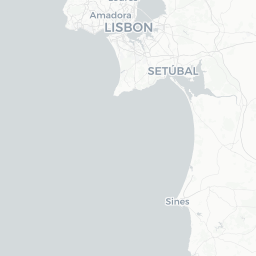
Lisbon sits at the mouth of the Tagus River on Portugal's Atlantic coast, spread across seven hills that give the city its distinctive skyline of terracotta rooftops and whitewashed facades. With a population of roughly 500,000 in the city proper—and around 2.8 million in the wider metropolitan area—it is one of Western Europe's smaller capitals by headcount but one of its most storied.
The city's history is written in layers: Moorish fortifications on the hilltops, Manueline stonework in Belém, Pombaline grid streets rebuilt after the catastrophic 1755 earthquake, and contemporary architecture in the riverside Parque das Nações district. That mix makes Lisbon unusually rewarding for curious walkers.
Lisbon has grown considerably as a tourist and digital-nomad destination over the past decade, which has brought new restaurants, boutique hotels, and direct flight connections—but also higher living costs and housing pressure on residents. Visiting thoughtfully, spending locally, and stepping beyond the most-photographed spots will give you a more honest picture of the city.
Before You Go
Visas
Portugal is a Schengen Area member. Entry rules vary significantly by nationality and are subject to change. Check TravelerPulse's Visas section for general guidance, then verify your specific requirements with Portugal's official immigration authority, SEF/AIMA (Agência para a Integração, Migrações e Asilo), before you travel.
Health
No vaccinations are required for entry from most countries; routine immunisations should be up to date. EU/EEA travellers carrying a European Health Insurance Card (EHIC) can access public healthcare on equivalent terms to Portuguese nationals. All other travellers should carry comprehensive travel-health insurance. Tap water in Lisbon is safe to drink.
Weather to expect
- Spring (March–May): Mild and sometimes wet, with temperatures generally in the mid-teens to low twenties Celsius. One of the most pleasant periods to visit.
- Summer (June–August): Hot and largely dry; temperatures regularly exceed 35 °C in July and August, and heat waves have become more frequent in recent years. Book accommodation early.
- Autumn (September–October): Warm and increasingly quiet; often considered the sweet spot.
- Winter (November–February): Mild by northern-European standards (rarely below 10 °C), with some rain. Far fewer tourists, lower prices common.
What to pack
Comfortable walking shoes with grip are essential—Lisbon's cobblestones (calçada portuguesa) are beautiful but hard on flat soles and slippery when wet. A light layer is useful even in summer for evenings.
Getting There
By Air
Humberto Delgado Airport (IATA: LIS) sits approximately 7 km northeast of the city centre. It is Portugal's busiest airport and receives direct flights from destinations across Europe, North America, Africa, and beyond. Verify current routes and flight times with your chosen airline or booking platform.
Airport to City
The Lisbon Metro's red line (Linha Vermelha) connects the airport directly to downtown stations including Alameda, where you can change for other lines. The journey to central stations such as Baixa-Chiado takes roughly 30–40 minutes. Taxis and licensed rideshare apps operate from the official taxi rank outside arrivals. A dedicated Aerobus coach service has historically served several central stops—confirm current operation and schedules locally or via the operator's official site before travel.
By Rail
Lisbon is connected to Porto and other Portuguese cities by Comboios de Portugal (CP) intercity and high-speed Alfa Pendular services. Oriente station in the Parque das Nações district is the main long-distance hub; Santa Apolónia also handles international trains. Check CP's official site for current timetables and fares.
By Road and Sea
Lisbon is accessible by motorway from Porto (approx. 3 hours), Faro (approx. 2.5 hours), and Madrid (approx. 6 hours), though times vary with traffic. Cruise ships dock at the Lisbon Cruise Terminal, within walking distance or a short taxi ride of the historic centre.
Getting Around
Metro (Metropolitano de Lisboa)
The Metro has four colour-coded lines covering most tourist-relevant neighbourhoods: Baixa, Belém (bus connection needed), Parque das Nações, and beyond. It is generally the fastest way to cross the city. Reloadable Viva Viagem cards can be used across Metro, buses, and some ferry services—verify current pricing at any Metro station ticket machine or information desk.
Trams, Buses, and Elevadores
Carris operates Lisbon's surface network of buses and the iconic yellow trams. Tram 28, which passes through Alfama and Graça, is heavily touristed and a known spot for pickpocketing—keep bags in front and valuables secured. The three funiculars (elevadores)—Bica, Glória, and Lavra—and the Santa Justa Lift provide hilly shortcuts and are also functional for daily commuters, not just tourists.
Ferries
Transtejo ferries cross the Tagus to destinations including Cacilhas (from Cais do Sodré) and Montijo. The Cacilhas crossing takes around 10 minutes and offers a good view of the city's waterfront. Standard transit cards are accepted on most routes—confirm coverage before boarding.
Taxis and Rideshare
Licensed taxis are metered and plentiful. Uber, Bolt, and other rideshare platforms operate in the city. Confirm which apps function locally at time of travel.
Walking
Many of Lisbon's most rewarding neighbourhoods—Alfama, Mouraria, Chiado, Bairro Alto, Príncipe Real—are best explored on foot, though the hills are steep. Allow more time than map distances suggest.
Things to See & Do
Historic Neighbourhoods
- Alfama: Lisbon's oldest district, with narrow lanes winding up toward the castle. Authentic fado is performed in small houses here most evenings.
- Mouraria: The historically Moorish quarter, now one of the city's most multicultural areas and home to several good local restaurants.
- Chiado and Bairro Alto: Adjacent neighbourhoods with bookshops, independent boutiques, and a lively nightlife scene in Bairro Alto.
- Belém: A riverside district roughly 6 km west of the centre, home to major monuments and the Pastéis de Belém bakery.
- Parque das Nações: Built for the 1998 World Exposition, this modern riverside district has a different character—useful for families and a contrast to the historic core.
Key Monuments and Museums
- Castelo de São Jorge: The hilltop Moorish-era castle offers panoramic views over the city and the Tagus. Verify current admission fees and opening hours on the official site.
- Mosteiro dos Jerónimos (Jerónimos Monastery), Belém: A UNESCO World Heritage Site and one of the finest examples of Manueline Gothic architecture in the world. Check official hours before visiting.
- Torre de Belém: Another UNESCO-listed landmark on the riverbank; queues can be long in summer—go early.
- Museu Nacional do Azulejo (Tile Museum): Traces the history of the Portuguese decorative tile tradition from the 15th century to the present. Housed in a former convent.
- Museu Coleção Berardo: A free-admission contemporary and modern art collection in the Belém Cultural Centre (confirm current admission policy before visiting).
- LX Factory: A repurposed industrial complex in Alcântara with independent shops, restaurants, and a popular Sunday market.
Miradouros (Viewpoints)
Lisbon's hilltops offer some of the best urban viewpoints in Europe. Miradouro da Graça, Miradouro de Santa Luzia, and Miradouro da Senhora do Monte are among the most rewarding and less overwhelmed than Portas do Sol in peak season.
Food & Drink
What to eat
Portuguese cuisine is straightforward, ingredient-led, and often underrated. Key dishes and items to seek out in Lisbon:
- Bacalhau (salt cod): Portugal's most iconic ingredient, prepared in dozens of traditional ways.
- Pastéis de nata: Custard tarts with a flaky pastry shell. The Pastéis de Belém bakery in Belém is the original and most famous source; quality versions are available throughout the city.
- Bifanas: Pork loin sandwiches, a popular and inexpensive street food.
- Petiscos: Portuguese small plates, similar in concept to tapas—a good way to try multiple things.
- Grilled fish: Sardines (especially from June, during the Santo António festas), sea bass, and gilt-head bream are commonly available.
Neighbourhoods for eating
Mouraria and Intendente have a concentration of affordable local restaurants. Príncipe Real has a cluster of more polished spots. Avoid restaurants with laminated photo menus immediately adjacent to major tourist monuments—quality and value tend to drop sharply in those locations.
Drinking
- Ginjinha (ginja): A sour-cherry liqueur sold from tiny specialist bars, particularly around Rossio square.
- Wine: Portugal produces excellent wines at relatively modest prices. Vinho verde (young, slightly sparkling white), Alentejo reds, and Douro wines are all well represented on local menus.
- Coffee: Espresso (uma bica) is the standard order; a galão is a milkier, larger option served in a glass.
Shopping
Lisbon's shopping ranges from chain stores in the Baixa grid to independent boutiques in Chiado and Príncipe Real. For goods with genuine local provenance, the following are worth looking for:
- Azulejos (decorative tiles): Authentic antique tiles from specialist dealers are an investment; reproductions are widely sold but quality varies significantly.
- Cork products: Portugal is the world's largest cork producer. Wallets, bags, and accessories made from cork are a practical and locally meaningful souvenir.
- Portuguese textiles and linen: A tradition with real craft behind it.
- Ceramics and pottery: Look for pieces from regional traditions such as Alentejo or Barcelos rather than generic tourist ware.
- LX Factory Sunday market: A reasonable place to browse second-hand goods, independent makers, and food products.
Be cautious of items marketed as "traditional" at airport shops or souvenir stores near major monuments—verify provenance before paying premium prices.
Practical Information
Emergency numbers
In Portugal, 112 is the universal emergency number for police, fire, and ambulance.
Money
Lisbon is broadly cashless-friendly; card payments are accepted in most restaurants, shops, and transport ticket machines. Carrying a small amount of cash is useful for small local bakeries, markets, and some fado houses. ATMs (Multibanco network) are widely distributed and generally reliable.
Connectivity
Free Wi-Fi is available in many cafés, hotels, and some public spaces. EU roaming rules apply to EU-issued SIMs. Non-EU travellers should check roaming charges with their provider or purchase a local prepaid SIM on arrival—sold at the airport and major phone retail shops.
Electricity
Portugal uses Type F (Schuko) sockets, 230 V / 50 Hz. Travellers from the UK, US, and most of Asia will need an adapter.
Tipping
Tipping is not mandatory in Portugal but is appreciated. Rounding up a bill or leaving 5–10% in sit-down restaurants is common practice. Leaving change is appreciated in cafés.
Language
Portuguese is the official language. English is spoken widely in tourist-facing contexts in Lisbon, particularly among younger residents and hospitality workers, though learning a few basic phrases (obrigado/a for thank you, por favor for please) is always welcome.
Safety
Lisbon is generally a safe city for travellers and consistently ranks among the more secure capitals in Europe. Violent crime against tourists is rare.
The most common issue affecting visitors is petty theft—pickpocketing—concentrated in crowded tourist areas: Tram 28, the Alfama viewpoints, Rossio Square, and busy markets. Use a bag that closes securely and is worn in front in these areas. Phone snatching while walking and using a device has been reported—be aware of your surroundings.
Late-night Bairro Alto can be rowdy on weekends, with broken glass and occasional altercations; it is not dangerous in a serious sense, but worth being alert. The Intendente and Martim Moniz areas, while gentrifying, have historically had some drug activity—exercise normal urban awareness.
Always use licensed taxis from official ranks or recognised rideshare apps; avoid accepting unsolicited taxi offers from individuals outside the airport or stations.
Local Culture & Etiquette
Fado
Fado is Lisbon's defining musical tradition—mournful, melodic songs typically performed by a solo voice accompanied by the Portuguese guitarra (a twelve-string instrument) and viola baixo. Alfama and Mouraria are the historic homes of fado. Genuine fado houses (casas de fado) serve dinner while musicians perform; some smaller, often free venues host more informal performances. Fado was designated an Intangible Cultural Heritage by UNESCO in 2011.
Festas de Lisboa
June is the month of Lisbon's biggest street festival, honouring Santo António (Saint Anthony, the city's patron). The night of 12–13 June sees grilled sardines, street parties, and the Marchas Populares parade along Avenida da Liberdade. Neighbourhood decorations go up throughout the month.
Attitudes and etiquette
Lisboetas (Lisbon residents) tend to be reserved but not unfriendly—patience and a greeting in Portuguese go a long way. Dining is unhurried by northern European or North American standards; do not expect a bill to be brought immediately. Churches remain active places of worship; dress modestly when visiting and keep noise low.