Overview
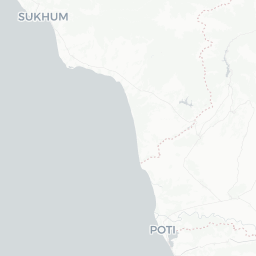
Sochi stretches roughly 145 km along the northeastern Black Sea coast in Krasnodar Krai, making it one of the longest cities by administrative boundary in Russia. The combination of a subtropical microclimate, mountain backdrop, and significant Soviet-era and post-2014 infrastructure investment sets it apart from most Russian cities.
The city gained global attention as the host of the 2014 Winter Olympics and Paralympic Games. The coastal cluster in Adler held ice-sport venues, while the mountain cluster at Krasnaya Polyana hosted alpine and Nordic events. Much of that infrastructure — stadiums, the Fisht Olympic Stadium, an expanded airport, and a dedicated high-speed rail link — remains in active use today.
Visitors generally divide their time between the seafront promenade and beaches of central Sochi, and the mountain resort area around Krasnaya Polyana (also known as Gorky Gorod), roughly 50 km inland and about 540 m above sea level at the base. The contrast between palm-lined boulevards and snow-capped peaks is genuine and accessible.
Sochi is a domestic tourism powerhouse; the vast majority of visitors are Russian nationals. International visitor numbers have fluctuated significantly with geopolitical developments since 2022, and travelers should conduct thorough research on current conditions before planning a trip.
Before You Go
Visas and Entry
Entry requirements for Russia are subject to change and vary considerably by nationality. Check TravelerPulse's Visas section and consult the official website of the Russian Ministry of Foreign Affairs or your nearest Russian consulate for current requirements. Many nationalities face significant restrictions or bans; verify your situation carefully before booking.
Travel Advisories
As of the time of writing, numerous governments — including those of the United States, United Kingdom, European Union member states, Canada, and Australia — have issued 'Do Not Travel' or equivalent advisories for Russia in connection with the ongoing conflict in Ukraine. Review your own government's current advisory and make an informed decision accordingly.
Practical Preparations
- International payment cards (Visa, Mastercard) issued outside Russia have been largely non-functional in the country since March 2022. Arrange alternative payment methods — cash rubles or locally issued cards — before arrival.
- International roaming on many foreign mobile networks may be unavailable or limited. Research SIM card options in advance.
- Travel insurance that covers Russia is difficult to obtain from many providers; verify your coverage explicitly.
- Download offline maps (e.g., Maps.me or OsmAnd) as some mapping services have reduced Russian coverage.
Getting There
By Air
Sochi International Airport (AER), located in the Adler district, is the main point of entry. It handles both domestic and a limited number of international flights. Domestic connections from Moscow (Sheremetyevo, Domodedovo, Vnukovo), St. Petersburg, and other Russian cities are frequent, especially in summer. International connectivity has contracted significantly since 2022; verify locally which routes are currently operating.
By Rail
Sochi is well connected to the Russian rail network. Long-distance trains run from Moscow (roughly 24–32 hours depending on the service) and other major cities. The high-speed Lastochka ('Swallow') commuter trains connect Sochi's central station with Adler and the Olympic Park, and continue to Krasnaya Polyana's Esto-Sadok station — a practical and scenic option for getting between the coast and the mountains.
By Road
The M4 Don highway connects Sochi to Krasnodar and onward to Moscow. Intercity buses serve regional destinations. Driving conditions in mountain sections warrant caution, particularly in winter.
Getting Around
Within the City
Sochi's linear geography means getting between districts takes time. Local buses, marshrutky (shared minibuses), and taxis cover the coastal strip. The suburban Lastochka train is the fastest and most comfortable option for the Sochi–Adler–Olympic Park–Krasnaya Polyana corridor and is widely used by both locals and visitors.
Taxis and Ride-Hailing
Russian ride-hailing apps (Yandex Go is the dominant platform) function in Sochi. Traditional taxis are available but agree on a fare before getting in or insist on the meter.
Krasnaya Polyana
The mountain resort area is served by the Lastochka rail link to Esto-Sadok, plus cable cars operated by the individual resorts (Rosa Khutor, Gorky Gorod, Gazprom Ski). A car is useful but not essential if you use the train and resort gondolas.
Renting a Car
Car rental is available at the airport and in the city. International driver's licenses are generally accepted; carry your home license and its Russian translation or an IDP. Mountain roads require careful driving.
Where to Stay
Accommodation in Sochi ranges from large resort hotels (many built or renovated for the 2014 Olympics) to sanatoriums (sanatoria — a distinctive Soviet-era Russian institution combining hotel accommodation with health treatments), guesthouses, and apartments rented through domestic platforms.
The main accommodation clusters are: central Sochi (Tsentralny district, close to the promenade and cultural sites), Adler (near the airport and Olympic Park — convenient for transit or visiting the park), and Krasnaya Polyana / Esto-Sadok (ski-in/ski-out or slope-adjacent lodging in the mountains).
Sanatoriums are a legitimate and popular option for longer stays and offer on-site medical and wellness services such as balneotherapy, mineral baths, and physiotherapy. They range from budget to upscale. Research current options through Russian booking platforms, as international platforms have reduced Russian inventory.
Book well in advance for peak summer (July–August) and the ski season (January–March), when demand is highest.
Things to See & Do
Coast and City
- Riviera Park — one of Sochi's oldest amusement and leisure parks, located near the city center on the seafront.
- Sochi Arboretum (Dendrary) — a botanical garden established in the late 19th century, home to hundreds of subtropical and exotic plant species on a hillside above the sea.
- Stalin's Dacha (Green Grove) — a preserved Soviet-era government residence open as a museum; verify current opening hours and admission locally.
- Sochi Art Museum — a regional museum with Russian and Soviet-era art; verify hours on the official site.
- Central Sochi Beach and Riviera Beach — the main public beaches; note that Sochi's beaches are shingle (pebbles), not sand.
- Sochi Autodrom — the Formula 1 Russian Grand Prix was held here 2014–2021; the circuit remains in use for motorsport events.
Mountains — Krasnaya Polyana Area
- Rosa Khutor Alpine Resort — the largest ski resort, with cable cars operating year-round for hiking and sightseeing in summer.
- Gorky Gorod — a resort and residential village with gondola access; lively in both winter ski season and summer.
- Caucasus Biosphere Reserve — a UNESCO World Heritage Site (shared with Abkhazia) surrounding the mountain area; guided hiking is possible in summer.
- Akhshtyrskaya Cave — a paleolithic cave near Adler with stalactites; verify access and guided tour availability locally.
Olympic Legacy Sites
- Olympic Park (Adler) — the coastal cluster remains partially open to the public; the Fisht Stadium hosts football matches and events. Walking or cycling through the park gives a sense of the 2014 Games' scale.
Food & Drink
Sochi's food scene reflects its position as a major Russian resort city blended with Caucasian culinary influences from neighboring Georgia, Abkhazia, and the North Caucasus. Georgian cuisine — khachapuri (cheese-filled bread), khinkali (dumplings), grilled meats — is widely available and very popular. Abkhazian dishes such as abista (cornmeal porridge) and adjika (spicy herb paste) appear in regional restaurants.
Seafood is a natural staple: Black Sea anchovy (hamsa), mussels, and sea bass feature on many menus. Try local mussels farmed in the bay — they are a regional specialty typically served simply steamed or grilled.
The promenade and central districts have a dense concentration of restaurants, cafés, and fast-food outlets catering to domestic tourists. Krasnaya Polyana has resort-oriented dining with a range of Russian, Georgian, and European options.
Sochi and the surrounding Krasnodar Krai produce wine and tea — the Matsesta and Dagomys areas host the northernmost commercial tea plantations in the world. Local winery tours and tea-tasting experiences are available; verify current operators and hours locally.
Practical Information
Money
The Russian Ruble (RUB) is the only currency accepted. As noted, foreign-issued international bank cards are not functional in Russia for most travelers. Bring sufficient cash or plan to use a Russian-issued card if you have access to one. ATMs are widely available but will only work with cards on the Mir payment network or Russian-issued Visa/Mastercard (which still operate domestically).
Communication
Russian is the sole working language. English is spoken in some upscale hotels and tourist-facing businesses in Krasnaya Polyana, but should not be assumed elsewhere. Downloading a translation app with offline Russian packs (Google Translate offline, Yandex Translate) is highly practical. Learning Cyrillic basics helps enormously with signs and menus.
Electricity
Russia uses Type C and Type F (Schuko) plugs at 220V/50Hz. Standard European plugs fit.
Emergency Numbers
- General emergency: 112
- Police: 102
- Ambulance: 103
- Fire: 101
Health
Tap water quality varies; bottled water is widely available and cheap. The subtropical summer heat and sun at the coast can be intense — use sunscreen and stay hydrated. At altitude in the mountains, allow time to acclimatize for strenuous hikes. Travel insurance covering medical evacuation is advisable but, as noted, may be difficult to obtain for Russia currently.
Safety
Sochi itself is generally considered safe for ordinary street crime by Russian city standards. Petty theft — pickpocketing in crowded beach areas and markets — is the most common concern for tourists. Standard urban precautions apply: keep valuables secured, be aware of your surroundings in busy public spaces.
The overriding safety consideration for travel to Russia at this time is the geopolitical context. The ongoing conflict in Ukraine has led to significant changes to airspace, financial systems, diplomatic relations, and emergency consular support. Many countries have withdrawn or reduced embassy staff in Russia, meaning consular assistance for foreign nationals in difficulty may be limited or unavailable. Travelers should register with their embassy if their country offers such a service, and maintain a clear emergency contact plan.
Mountain activities at Krasnaya Polyana carry standard alpine risks. Use marked trails and resort infrastructure, heed weather forecasts, and inform someone of your plans before hiking outside resort boundaries.
Always verify the current situation from authoritative government sources immediately before any travel decision.
Local Culture & Etiquette
Sochi has a distinct cultural character shaped by its history as Russia's premier resort city, a role it has played since the late 19th century when the tsarist court began developing it. Soviet leaders, particularly Stalin, invested heavily in its sanatorium culture and grand architecture. Vestiges of this — colonnaded sanatorium buildings, the neoclassical Sochi railway station, formal parks — remain visible throughout the city.
The city sits at a genuine cultural crossroads. The wider region has significant populations of Armenians, Georgians, Adyghe (Circassian), and other Caucasian peoples, and their culinary, musical, and craft traditions permeate local life. The indigenous Shapsugs, a Circassian sub-group, have communities in the hills behind Sochi.
Dress modestly when visiting churches or religious sites. Swimwear belongs on the beach; cover up when walking through town or entering any place of worship or formal building. Photography of military installations, border infrastructure, or in situations where locals are visibly uncomfortable should be avoided.