Translate
Overview
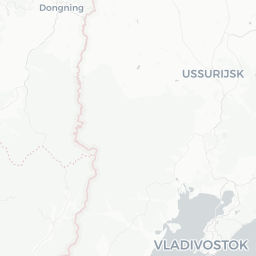
Vladivostok sits on the Muravyov-Amursky Peninsula in Russia's Primorye (Primorsky Krai) region, where the Trans-Siberian Railway meets the Pacific Ocean. Founded in 1860 as a Russian military outpost, the city grew into the main port of Russia's Far East and home of the Pacific Fleet. With a population of around 600,000, it is the largest city in the Russian Far East.
The city's topography is dramatic — hills, bays, and islands define every viewpoint. The Golden Horn Bay (Zolotoy Rog) cuts into the city centre, and the Eastern Bosphorus Strait separates the mainland from Russky Island, now connected by one of the world's longest cable-stayed bridges. European-influenced early-20th-century architecture mixes with Soviet-era blocks and a growing contemporary urban culture.
Vladivostok has a distinct identity that sets it apart from western Russia. Proximity to Japan, South Korea, and China shapes its food scene, trade culture, and demographic fabric. Japanese right-hand-drive vehicles are ubiquitous on city streets, imported through the local port. The city rewards curious travelers willing to venture far off the typical Russia itinerary.
Before You Go
Visas
Entry requirements for Russia, including any special Free Port of Vladivostok e-visa provisions, are subject to change and depend heavily on your nationality and the current geopolitical situation. Do not rely on outdated information. Check TravelerPulse's Visas section and consult the official website of the Russian Ministry of Foreign Affairs or your nearest Russian consulate well before travel.
Travel Advisories
Many governments have issued elevated travel advisories for Russia due to the ongoing conflict in Ukraine. Review your own government's current advisory before making any bookings. Conditions, including access to international banking and flight connectivity, have changed significantly since 2022.
International Payments
Major international payment networks including Visa and Mastercard suspended operations in Russia in 2022. Travelers should plan to use cash in Russian rubles or explore other arrangements before departure. ATMs are widely available in Vladivostok but may not accept foreign cards — verify your options carefully before travel.
Health
No unusual vaccinations are required beyond routine immunizations, but verify recommendations with your doctor or a travel health clinic. Travel health insurance that covers medical evacuation is strongly advised given the city's remote location relative to many travelers' home countries.
Getting There
By Air
Vladivostok International Airport (VVO), located in Artyom roughly 40 km north of the city centre, is the main aviation gateway. Domestic connections to Moscow and other Russian cities are operated by carriers including Aeroflot and S7 Airlines. International connectivity has been significantly reduced since 2022; verify current routes and availability directly with airlines before planning. Transfer times from Moscow on direct flights are approximately 8–9 hours.
By Rail
Vladivostok is the eastern terminus of the Trans-Siberian Railway (Station: Vladivostok, km 9,288 from Moscow). The full journey from Moscow takes approximately 6–7 days. Traveling the Trans-Siberian is a major undertaking and a destination experience in itself. Shorter rail segments connect Vladivostok to cities in the Russian Far East.
By Sea
Historically, ferry services have operated between Vladivostok and ports in Japan (Fushiki/Toyama) and South Korea (Donghae). The operational status of these routes varies; verify current schedules and availability locally or through ferry operators before planning.
Getting Around
Public Transport
Vladivostok has an extensive network of buses, minibuses (marshrutkas), and electric trams and trolleybuses covering most of the city. The Vladivostok funicular railway (Fуникулёр) connects the lower city near the waterfront to an upper residential area and is a worthwhile short ride. Tickets are inexpensive; verify current fares locally.
Taxis and Rideshare
Taxi services and local rideshare apps operate throughout the city. As of the time of writing, international rideshare apps have limited or no presence in Russia — ask your accommodation to recommend reliable local options or apps.
Bridges and Islands
The Russky Bridge connects the city to Russky Island, and the Golden Bridge spans the Golden Horn Bay, significantly improving access across the city. Both bridges are prominent landmarks. Russky Island is accessible by road via the bridge or by regular ferry service — confirm schedules locally.
Car Rental
Car rental is available but international driving licenses may need to be accompanied by specific documentation. Roads in the city centre can be congested. Right-hand-drive imported vehicles are common, which is unusual for a country that drives on the right — exercise appropriate caution.
Things to See & Do
Waterfront and Viewpoints
- Sportivnaya Harbour (Sportivnaya Nabereznaya) — the main waterfront esplanade, popular for walking, with views across the bay.
- Eagle's Nest Hill (Sopka Orlinoe Gnezdo) — one of the highest points in the city centre, accessible by funicular, offering panoramic views over the Golden Horn Bay and both major bridges.
- Russky Bridge viewpoint — visible from multiple points across the city; crossing the bridge by car or bus provides sweeping views.
History and Culture
- Vladivostok Fortress Museum — a network of late-19th and early-20th-century fortifications built to defend the city; several forts are open to visitors and offer insight into the city's strategic military history. Verify opening hours and accessibility locally.
- Pacific Fleet Museum (Museum of the Pacific Fleet) — exhibits covering the history of Russia's Pacific naval presence, including a decommissioned submarine visitors can board. Verify current access and hours.
- Arseniev Regional Museum (Primorsky State Museum named after V.K. Arseniev) — the main regional museum covering natural history, indigenous cultures, and the history of Primorye. One of the most comprehensive museums in the Russian Far East.
- C-56 Submarine Memorial — a World War II-era submarine displayed as a monument on the waterfront.
Russky Island
Largely undeveloped and hilly, Russky Island offers coastal scenery, remnants of old fortifications, and the campus of the Far Eastern Federal University (FEFU), which hosted the Eastern Economic Forum. The island is good for hiking and escaping the city. Access via the Russky Bridge or ferry.
Arts and Performance
- The Primorsky Stage of the Mariinsky Theatre opened in 2016, bringing world-class opera and ballet to the Far East. Check the current program and book tickets in advance if this interests you.
- Primorsky Art Museum holds a collection of Russian art, including works transferred from St. Petersburg.
Food & Drink
Vladivostok's food scene is one of its most distinctive attributes in Russia. The Pacific coastline provides exceptional seafood, and proximity to East Asia means Japanese, Korean, and Chinese culinary influences are genuine and widespread rather than superficial.
What to Eat
- Crab — Kamchatka and snow crab from the Sea of Japan and Okhotsk Sea are local staples. Fresh and affordable by international standards, though prices vary by season and market. The street around the Vladivostok central market is a good starting point.
- Sea urchin (uni) — locally harvested and frequently featured on restaurant menus.
- Scallops and mussels — farmed locally in Primorye and widely available.
- Korean food — a significant ethnic Korean population (known as Koryosaram) has contributed authentic Korean cuisine to the city's restaurant landscape.
- Pelmeni — the ubiquitous Russian dumpling is well-represented, often with seafood fillings in Vladivostok.
Where to Eat
The city has a range of options from budget canteen-style stolovayas (cafeterias serving traditional Russian food cheaply) to upmarket seafood restaurants. The central market (Tsentralny Rynok) is the best place to see and buy local produce. Restaurant areas are concentrated in the city centre near the waterfront. Prices and quality vary — exploring on foot and looking for busy local spots is a reliable strategy.
Drinking
Craft beer culture has grown in Vladivostok alongside the national trend. Local and imported beer, vodka, and an increasing number of coffee shops are all available. Korean and Japanese beverage culture also has some presence in the city.
Practical Information
Money
The Russian Ruble (RUB) is the only accepted currency. As noted above, international payment cards have been largely non-functional since 2022. Bring sufficient cash, exchanged before arrival or at authorized exchange offices in the city. Keep receipts for currency exchange.
Communications
Russian SIM cards from operators such as MTS, Beeline, and Megafon can be purchased locally and provide good mobile coverage in the city. International roaming from foreign SIMs may not function depending on your operator and home country. VPN use is common among residents but carries legal ambiguity — research this before travel.
Language
Russian is the language of daily life. English is spoken in some hotels, tourist attractions, and restaurants catering to visitors, but should not be assumed. Having a translation app available offline and learning a few basic Russian phrases will improve your experience considerably. The Cyrillic alphabet is used everywhere.
Emergency Numbers
- Police: 102
- Ambulance: 103
- Fire: 101
- Unified emergency number: 112
Verify these numbers are current before travel, as emergency service structures can change.
Time Zone
Vladivostok operates on UTC+10 (VLAT), with no daylight saving time adjustment. This is 7 hours ahead of Moscow time.
Safety
Vladivostok is generally considered one of Russia's safer large cities for day-to-day street crime, though standard urban precautions apply: be aware of your surroundings, avoid displaying expensive items conspicuously, and be cautious in unfamiliar areas after dark.
The larger safety concern for most international travelers is the broader context of traveling to Russia given the ongoing war in Ukraine and the diplomatic isolation that has followed. Many countries' foreign ministries advise against all or non-essential travel to Russia. Review your government's current advisory carefully, understand the implications for consular assistance (which may be severely limited), and ensure your travel insurance covers the destination under current conditions.
Interactions with police and authorities can occur; having copies of all your travel documents accessible and keeping originals secure is advisable. Registering with your accommodation (hotels do this automatically) is a legal requirement in Russia.
Local Culture & Etiquette
Vladivostok's culture reflects its position as a frontier city — geographically remote from Moscow, oriented toward the Pacific, and historically shaped by waves of settlement, military presence, and trade. The city has a youthful demographic compared to many Russian cities, partly due to the presence of Far Eastern Federal University.
The influence of neighboring Asian cultures is more tangible here than anywhere else in Russia. Korean, Chinese, and Japanese cultural elements appear in food, commerce, and the ethnic makeup of the population. Koryosaram (ethnic Koreans, descendants of those deported under Stalin) have maintained cultural traditions that add genuine texture to the city.
As in most of Russia, dress modestly when visiting Orthodox churches. Photography of military installations — and the city retains an active military presence — should be avoided. The Pacific Fleet is a matter of local pride and sensitivity.
Vladivostok was a closed city during the Soviet era, inaccessible to foreigners, which contributes to a certain directness and self-reliance in local character. Hospitality toward genuine visitors remains a strong cultural value in Russian society broadly, and Vladivostok is no exception.