Overview
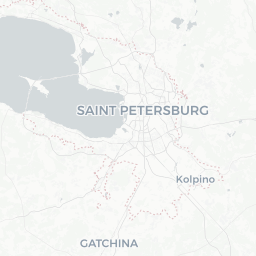
Saint Petersburg sits at the eastern end of the Gulf of Finland, built on a delta of more than 40 islands laced together by rivers and canals. Founded by Peter the Great in 1703, it served as the Russian imperial capital for over two centuries and retains an architectural grandeur that sets it apart from any other city in Russia.
With a population of roughly 5.4 million, it is Russia's second-largest city and its principal cultural hub. The historic centre — a UNESCO World Heritage Site — contains one of the densest concentrations of 18th- and 19th-century European-style buildings anywhere in the world, ranging from Rastrelli's Baroque masterpieces to Rossi's sweeping Neoclassical ensembles.
The city's reputation rests on its museums, performing arts, and literary history. It was home to Pushkin, Dostoevsky, and Akhmatova; it gave the world the Kirov (Mariinsky) Ballet and the Leningrad Philharmonic. Visitors come for all of these things, but many also find themselves captivated by quieter details — the coloured facades reflected in the Moika River, the neighbourhood bookshops, the courtyard cafés.
Travel conditions and entry requirements for Russia can change significantly. Visitors are strongly advised to check current travel advisories issued by their home government before planning any trip.
Before You Go
Travel Advisories
As of the guide's publication date, many Western governments maintain elevated travel advisories for Russia. Check the official advisory from your country's foreign ministry before booking, and monitor updates close to your departure date.
Visas
Entry requirements for Russia are complex and subject to change. Historically, most foreign nationals required a tourist visa supported by a hotel confirmation or tourist voucher; e-visa and visa-free arrangements have existed for certain nationalities at certain times but availability shifts. Do not rely on outdated information. Check TravelerPulse's Visas section and consult the official website of the Russian consulate or embassy in your country for current rules.
Money
International payment cards (Visa, Mastercard) have faced significant restrictions in Russia since 2022. Carry sufficient cash in rubles, which you may need to obtain before arrival or at currency exchange points on arrival. Verify the current status of ATM and card access before you travel.
Health & Insurance
Ensure your travel insurance covers medical evacuation. Bring an adequate supply of any prescription medication, as specific brands may be unavailable. Verify locally which vaccinations or health documentation may be required.
Getting There
By Air
Pulkovo International Airport (LED) is the city's sole commercial airport, located approximately 17 km south of the city centre. It handles domestic routes extensively, and international connectivity has changed substantially since 2022 — verify current routes and carriers with your preferred booking platform close to your travel date.
By Train
Saint Petersburg is well connected to Moscow by high-speed Sapsan rail services departing from Moskovsky Station, with journey times of approximately 3.5–4 hours. Overnight sleeper trains also link the city to Moscow and other Russian cities. Trains from Helsinki (Finland) historically served the city; verify current cross-border rail service status before planning.
By Bus & Car
Long-distance coaches connect Saint Petersburg to other Russian cities and, historically, to Tallinn and Helsinki. Cross-border road and bus travel is subject to border restrictions that have changed significantly; confirm current conditions before planning overland entry from abroad.
Airport to City
From Pulkovo, express bus routes operate to the nearest metro station (Moskovskaya on Line 2), from where the city centre is a short metro ride. Licensed taxis and app-based ride services are also available from the arrivals hall. Verify current fares and options locally on arrival.
Getting Around
Metro
Saint Petersburg's metro is efficient, inexpensive, and covers major areas of the city. It has five lines and runs from approximately 5:45 am to 00:30 am daily, though hours vary slightly by station and day. Note that several central stations close during White Nights drawbridge hours. Purchase tokens or a top-up card (Podorozhnik) at station kiosks. Signage is primarily in Russian with some Cyrillic-only labelling; having a map helps.
Buses, Trolleybuses & Trams
Surface public transport is extensive and reaches neighbourhoods the metro doesn't. Route information is primarily in Russian; apps such as Yandex Maps are useful for real-time route planning and are widely used by locals.
River Transport
During summer, commuter hydrofoils (Meteor) run along the Neva and Gulf of Finland, most famously to Peterhof. Schedules and ticket availability should be confirmed locally or at the embarkation points, as services are seasonal.
Taxis & Ride Apps
Yandex Taxi is the dominant app-based service. Traditional street taxis exist but agree on a price before entering. Uber ceased direct operations in Russia; verify the current app landscape at time of travel.
Walking
The historic centre is very walkable. Many of the main sights — the Hermitage, the Russian Museum, the Church of the Savior on Spilled Blood, the Summer Garden — are within comfortable walking distance of one another along the Neva embankments and Nevsky Prospekt.
Things to See & Do
Hermitage Museum & Winter Palace
One of the world's great art museums, the Hermitage occupies six historic buildings on the Palace Embankment, chief among them the Winter Palace. The collection spans Egyptian antiquities to Impressionist painting. Queues can be very long in summer; purchasing tickets online in advance (verify current booking options on the official Hermitage website) is strongly recommended. Allow at least a full day; many visitors return multiple times.
Russian Museum
Housed in the Mikhailovsky Palace, this is the world's largest collection of Russian fine art, covering icons through the 20th-century avant-garde. Less crowded than the Hermitage and often preferred by visitors with a specific interest in Russian art movements.
Church of the Savior on Spilled Blood
Built on the spot where Tsar Alexander II was assassinated in 1881, this church features a mosaic-encrusted interior of extraordinary detail. It is a working museum rather than an active parish church.
Peterhof
Often called the 'Russian Versailles,' Peterhof palace and its elaborate fountain gardens sit on the Gulf of Finland about 30 km west of the city. The Grand Cascade is the centrepiece. The fountains operate seasonally — verify dates before visiting. Access by hydrofoil from the city centre is the most scenic route.
Tsarskoye Selo (Pushkin)
The Catherine Palace at Tsarskoye Selo, about 25 km south, houses the restored Amber Room and extensive formal gardens. Reachable by suburban train (elektrichka) from Vitebsky Station, then a short bus or taxi ride. Confirm current access and restoration status locally.
Nevsky Prospekt & Canal Walks
Saint Petersburg's main boulevard runs 4.5 km from the Admiralty to the Alexander Nevsky Monastery. Walking its full length gives a cross-section of the city's commercial, religious, and architectural life. Side streets leading to the Moika, Fontanka, and Griboedova canals reward exploration on foot.
White Nights
From roughly late May through mid-July, the sky never fully darkens. The period around the summer solstice sees cultural festivals, open-air events, and drawbridge-raising ceremonies on the Neva at night. Accommodation is in high demand; book well ahead if visiting then.
Mariinsky Theatre
Home to one of the world's most respected opera and ballet companies. The original Mariinsky and the newer Mariinsky II operate across the canal from each other. Check the official Mariinsky website for the current schedule and ticket availability.
Food & Drink
What to Eat
Traditional Russian cuisine features prominently: borscht (beetroot soup), solyanka (meat or fish soup), pelmeni (dumplings), blini with various fillings, and smoked or pickled fish — particularly Baltic herring and smoked eel. Beef Stroganoff and Olivier salad (Russian potato salad) appear on menus across price ranges. The city also has a well-developed café culture and a growing scene of Georgian, Central Asian, and European restaurants.
Stolovye (Canteens)
Soviet-era canteen-style eateries called stolovye offer an inexpensive and authentic experience: pick up a tray, point at dishes, pay at the till. Quality varies but they are popular with locals and budget travellers alike.
Coffee & Cafés
Saint Petersburg has a genuine café culture. Independent coffee shops are concentrated in the Petrogradskaya district, along Rubinstein Street, and in the lanes off Nevsky Prospekt. Many double as reading rooms or event spaces.
Drinking
Beer is widely consumed; domestic brands are available everywhere. Russian vodka is ubiquitous. Note that Russia prohibits the sale of alcohol at certain hours (regulations can vary and change); verify current rules locally. Kvass — a mildly fermented bread drink — is sold from street vendors in summer and is worth trying.
Neighbourhoods for Eating
Rubinstein Street and the surrounding Vladimirskaya area have a high density of restaurants and bars. Vasilievsky Island has a more local character. Avoid restaurants immediately adjacent to major tourist sights, where prices tend to be elevated and quality inconsistent.
Shopping
What to Buy
Typical purchases include lacquered Palekh boxes, matryoshka nesting dolls, Soviet-era memorabilia, amber jewellery (Baltic amber is widely available), linen goods, and art books from museum shops. Quality varies enormously; be cautious of mass-produced tourist items sold near major sights.
Markets
The Udelnaya flea market (Sunday market, verify current operation status) is popular for vintage and Soviet items. The Kuznechny market near Vladimirskaya metro is a good covered food market with produce, dairy, and local specialities.
Nevsky Prospekt & Gostiny Dvor
The historic Gostiny Dvor department store on Nevsky Prospekt is a large covered shopping arcade. Passage and other arcades along Nevsky offer mid-range retail. For international brands, several modern shopping centres exist in various parts of the city.
Art & Books
The city has a strong tradition of independent bookshops and art supply stores. Museum shops at the Hermitage and Russian Museum stock quality catalogues and prints.
Practical Information
Emergency Numbers
In Russia, the single emergency number is 112 (fire, police, ambulance). Verify this is operational from your specific device before relying on it.
Connectivity
Local SIM cards are available from mobile operators at the airport and across the city; registration typically requires a passport. Wi-Fi is widely available in hotels and cafés. Note that access to some foreign websites and services is restricted in Russia; a VPN may or may not function reliably — verify the current regulatory situation.
Language
Russian is the sole official language. Learning the Cyrillic alphabet before arrival pays dividends for reading metro signs and menus. Basic English is understood in hotels, major museums, and tourist-facing businesses, but less reliably in shops and on public transport.
Electricity
Russia uses 220V/50Hz with Type C and F (Schuko) round-pin plugs. Bring an adapter if your devices use other plug types.
Photography
Photography is generally permitted in outdoor public spaces. Many museums permit photography without flash but charge a separate camera fee or prohibit it in specific rooms — check signs or ask staff. Do not photograph military installations, border infrastructure, or official government buildings.
Time
Saint Petersburg operates on Moscow Time (UTC+3) year-round; Russia does not observe daylight saving time.
Safety
Saint Petersburg is a large urban centre with the range of risks typical of major cities. Petty theft — pickpocketing on Nevsky Prospekt and in crowded metro stations, and bag snatching — is the most commonly reported issue affecting tourists. Use standard precautions: keep valuables secured, be alert in crowds, and use hotel safes.
The current geopolitical situation means that several governments have elevated their travel advisories for Russia to 'reconsider travel' or 'do not travel' levels. Visitors should read their government's advisory carefully, understand the implications, and make an informed decision. Situations affecting the safety of foreign nationals can evolve without warning.
Foreign nationals have occasionally been detained in Russia in circumstances that would not constitute a legal matter in their home countries. Be aware of local laws and regulations, particularly around public demonstrations, photography restrictions, and registration requirements (hotels typically handle registration automatically, but confirm this with your accommodation).
Maintain contact details for your country's embassy or consulate in Saint Petersburg or Moscow. Register your travel with your country's foreign ministry if such a service exists.
Local Culture & Etiquette
Saint Petersburg has a self-conscious cultural identity distinct from Moscow. Residents often refer to themselves as 'Peterburzhtsы' and take pride in the city's European orientation, its literary heritage, and its performing arts. The city produced or shaped a remarkable number of significant figures in music (Tchaikovsky, Stravinsky, Shostakovich), literature (Pushkin, Gogol, Dostoevsky, Nabokov), and visual arts.
Russian Orthodox Christianity is culturally significant, and many of the city's most striking buildings are churches. When entering an Orthodox church: women are expected to cover their heads; men should remove hats. Dress modestly (shoulders and knees covered) when visiting places of worship.
Greeting customs are fairly formal with strangers: a handshake is standard between men on meeting. Russians are generally not expressive in public with strangers, which can read as unfriendly but is cultural convention rather than hostility. In private settings, hospitality tends to be warm and generous.
The city observes significant public holidays including New Year (the most widely celebrated), Orthodox Christmas (7 January), Victory Day (9 May, a major commemoration with parades), and City Day in May. Plan around these if visiting, as some attractions close and crowds at certain sites increase substantially.