Overview
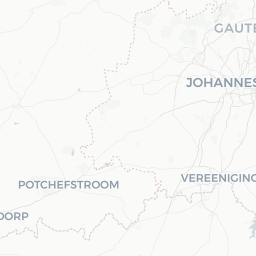
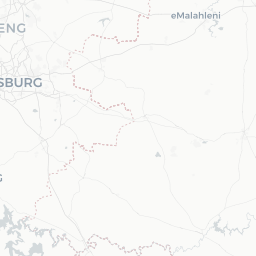
Welkom is a mid-sized city on the open highveld of the Free State province, roughly 160 km north of Bloemfontein. It was purpose-built from scratch in the late 1940s after gold was discovered in the region, making it one of South Africa's few planned cities. Unlike most South African urban centres that grew organically, Welkom was laid out with wide, circular roads and no traffic lights — a design intended to keep traffic flowing efficiently, and one that still surprises first-time visitors.
The city sits at the heart of the Goldfields region, which at its peak was among the most productive gold-mining belts in the world. While large-scale mining has contracted significantly since the 1980s and 1990s, the industry's influence on local architecture, demographics, and culture remains visible. The surrounding area includes several smaller towns — Odendaalsrus, Virginia, and Allanridge — that share the same mining heritage.
For most travelers, Welkom is a stopover rather than a primary destination. It offers adequate urban amenities, a modest arts scene, and easy access to broader Free State attractions. Visitors with an interest in industrial or urban-planning history will find the city's origins genuinely interesting.
Before You Go
Visas
South Africa's entry requirements vary by nationality. For accurate, up-to-date visa information, check TravelerPulse's Visas section and consult the South African Department of Home Affairs (www.dha.gov.za) before you travel.
Health
Welkom sits on the highveld at approximately 1,350 m above sea level. Altitude is mild and generally not an issue for most travelers. The region is low-risk for malaria. Standard travel health precautions — including travel insurance — are recommended. Verify any vaccination requirements with your doctor before departure.
What to Pack
- Summer (Oct–Feb): Light clothing, but bring a light jacket for afternoon thunderstorms, which can be intense on the highveld.
- Winter (May–Aug): Nights and early mornings can be very cold; pack warm layers. Days are usually clear and sunny.
- Sunscreen and sunglasses are essential year-round at this altitude and latitude.
Getting There
By Air
Welkom has a small airfield (Welkom Airport), but scheduled commercial passenger services are limited or absent — verify current availability locally. The most practical option for most travelers is to fly into OR Tambo International Airport (Johannesburg) or Bram Fischer International Airport (Bloemfontein), then continue by road.
By Road
Welkom is well connected by national roads. From Johannesburg it is approximately 230 km via the N1 and N8, and from Bloemfontein roughly 160 km via the N1 and R30. The roads are generally in good condition, and self-driving is the most common way to arrive. Long-distance bus services (including Greyhound-affiliated and other intercity carriers — verify current operators and schedules) connect Welkom to major South African cities. Check schedules and book in advance.
By Minibus Taxi
Shared minibus taxis connect Welkom to surrounding towns and to larger hubs. These are a widely used and affordable option for budget travelers comfortable with this form of transport, but schedules and routes are informal — verify at the local taxi rank on arrival.
Getting Around
Welkom is a driving city. Its signature feature — the circular road network with no traffic lights — makes it easy to navigate by car once you understand the layout, though it can be disorienting at first. Car hire is available in the city; confirm with local agencies on arrival.
Minibus taxis operate within the city and to surrounding towns. Walking is practical in the central commercial areas but less so across the wider city, which is spread out. Ride-hailing apps (such as Uber) may have limited coverage — verify availability before relying on them.
Where to Stay
Welkom has a modest accommodation offering suited to business travelers and road trippers. Options include a few mid-range guesthouses, B&Bs, and budget chain-style hotels serving the commercial sector. There are no internationally branded luxury hotels in the city at the time of writing.
When booking, verify that your accommodation is centrally located relative to your plans, as the city is spread out. It is advisable to book ahead if visiting during local events or public holidays, as options are limited. Check current listings on major booking platforms for up-to-date availability and prices.
Things to See & Do
Welkom Museum
The local museum documents the history of the goldfields, the city's planned development, and life in the mining era. It is a reasonable starting point for understanding the city's origins. Confirm opening hours locally before visiting.
Flamingo Pan (Flamingo Sanctuary)
One of Welkom's most unexpected attractions is the flamingo colony that has established itself on mine-water pans on the edge of the city. Lesser and greater flamingos can be seen here, drawn by the alkaline water conditions created by mining activity. This is a genuine wildlife highlight and unusual for an urban setting. Access conditions and viewing points should be verified locally, as these are operational or post-operational mine properties.
Goldfields Arts Centre
The city has a performing arts centre that hosts theatre, music, and cultural events. Check the local programme for what may be on during your visit.
Day Drives
The surrounding Free State landscape — flat, vast, and atmospherically open — rewards leisurely drives. The nearby towns of Virginia and Odendaalsrus have their own modest heritage points.
Food & Drink
Welkom's food scene is functional rather than destination-worthy. The city has a standard range of South African chain restaurants, fast food outlets, and local diners serving hearty highveld fare — expect grilled meats, pap (maize porridge), and Afrikaner-influenced dishes.
Several shopping centres in the city contain food courts and sit-down restaurants. For a more local experience, look for small restaurants and takeaways serving township-style food such as kota (a loaded quarter loaf), boerewors rolls, and offal dishes — all very much a part of everyday South African food culture.
Alcohol is widely available at bottle stores and restaurants. Note that South Africa has strict drunk-driving laws — verify current limits before driving.
Practical Information
Money
ATMs are available in the city's shopping centres and commercial areas. Major credit and debit cards are accepted at most established businesses. Carry some cash for smaller vendors and taxi fares.
Connectivity
Mobile network coverage (MTN, Vodacom, Cell C, Telkom) is generally good in and around Welkom. SIM cards can be purchased at network outlets with a valid passport. Wi-Fi is available at some accommodation and retail venues but is not universally reliable.
Emergency Numbers
- Police: 10111
- Ambulance / Medical emergency: 10177
- These are national South African emergency numbers; verify local Welkom hospital and clinic contacts on arrival.
Shopping Hours
Most shops and malls operate Monday to Saturday, with reduced hours on Sundays and public holidays. Verify locally.
Safety
Welkom, like many South African cities, requires standard urban safety awareness. Petty crime including opportunistic theft occurs. General precautions apply: avoid displaying valuables, be aware of your surroundings, and use trusted transport options, especially after dark.
Driving is generally the safer way to move around at night. Avoid walking in unfamiliar areas after dark. Keep car doors locked while driving. The city centre and shopping areas are busier and generally more manageable during daylight hours.
For current safety advisories, consult your government's travel advisory service before and during your trip. Conditions can change and local awareness is important.
Local Culture & Etiquette
Welkom has a diverse population shaped by its mining history, which brought workers from across South Africa and beyond. The city reflects this in its cultural mix of Sesotho, Afrikaner, Zulu, and Xhosa influences, among others.
Religion plays a significant role in community life — churches of many denominations are prominent throughout the city. Sundays are often quieter, with reduced trading activity. Visitors should be respectful of local customs and dress modestly when entering places of worship.
The Sesotho language and culture are particularly prominent in the wider Free State context. Learning a few basic greetings in Sesotho (e.g., Dumela for hello) and Afrikaans will be appreciated by locals.