Overview
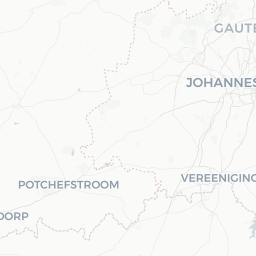
Roodepoort is a city on the western fringe of the Greater Johannesburg metropolitan area, administered under the City of Johannesburg Metropolitan Municipality. With a population of roughly 326,000, it functions largely as a residential and light-industrial suburb rather than an independent tourist hub, but it holds genuine points of interest that reward curious travelers.
The city's name is Afrikaans for 'red ravine,' a reference to the iron-rich geology of the Witwatersrand ridge on which it sits. Roodepoort grew up during the late-19th-century gold rush and retains pockets of that heritage, though its modern landscape is dominated by suburbs, shopping centres, and commercial strips.
For visitors, Roodepoort's two headline attractions — Walter Sisulu National Botanical Garden and its proximity to the Sterkfontein Caves UNESCO World Heritage Site — are genuinely world-class. Travelers using Johannesburg as a base will find Roodepoort a practical and less-crowded western corridor into these experiences.
Before You Go
Visas
South Africa has a widely varying visa regime depending on your passport. Do not rely on any single source for current entry requirements. Check the TravelerPulse Visas section for general guidance, then verify with the South African Department of Home Affairs (www.dha.gov.za) or your nearest South African embassy well in advance of travel.
Health
Routine vaccinations should be up to date. Roodepoort itself is at an altitude of roughly 1,700 m above sea level (Highveld), so the climate is drier than coastal South Africa. Malaria is not a risk in Gauteng, but confirm this and any other health advisories with your doctor or a travel medicine clinic before departure.
Weather
Gauteng has a warm, semi-arid climate. Summers (October–February) bring afternoon thunderstorms that can be intense; carry a light rain jacket. Winters (May–August) are dry and sunny but nights can drop near or below 0 °C — pack layers if you are visiting then. The UV index is high year-round; sunscreen is essential.
Getting There
By Air
O.R. Tambo International Airport (JNB) in Ekurhuleni is the main international gateway to the Johannesburg region and is approximately 40–50 km east of Roodepoort by road. Lanseria International Airport (HLA), which handles domestic and some regional flights, is considerably closer — roughly 20 km north of central Roodepoort — and is a practical choice for domestic travelers arriving from Cape Town or Durban.
By Road
Roodepoort sits along the N14 and has easy access from the N1 (Johannesburg–Pretoria highway) and N12 corridors. If driving from central Johannesburg, allow extra time for peak-hour traffic on the R28 and surrounding routes; Gauteng road congestion can be significant during morning and evening rush hours.
By Rail
MetroRail's Soweto/Naledi and Western lines have historically served western Johannesburg, with stations in the Roodepoort area. Service reliability has been inconsistent in recent years — verify current operational status locally or with Metrorail Gauteng before planning to use commuter rail.
Getting Around
Roodepoort is largely car-dependent. Most visitors either self-drive or arrange transport through their accommodation in Johannesburg. Metered taxis and ride-hailing apps (Uber and Bolt both operate in Gauteng) are the most practical options for those without a vehicle.
Gautrain rapid rail does not extend into Roodepoort itself, though the Gautrain bus feeder network does serve parts of western Johannesburg — check the Gautrain website for current routes and stops. Public minibus taxis run throughout the area but are best navigated with local guidance if you are unfamiliar with the system.
For visiting Walter Sisulu National Botanical Garden or the Sterkfontein Caves area, a private car or pre-arranged taxi is the most reliable option.
Things to See & Do
Walter Sisulu National Botanical Garden
This is Roodepoort's single most compelling attraction. Managed by the South African National Biodiversity Institute (SANBI), the garden covers a large tract of Highveld landscape along the Witpoortjie waterfall on the Bloubos Spruit river. It is one of nine national botanical gardens in South Africa and is particularly known as a reliable nesting site for Verreaux's eagles. The waterfall, indigenous plant collections, and birdlife make it a rewarding half-day visit. Verify current admission fees and opening hours directly with SANBI (www.sanbi.org) before visiting.
Sterkfontein Caves and the Cradle of Humankind
Approximately 15 km northwest of central Roodepoort, the Cradle of Humankind is a UNESCO World Heritage Site encompassing fossil sites of extraordinary paleoanthropological importance. Sterkfontein Caves, one of the most productive early-human fossil sites on Earth, is the centerpiece. Guided tours descend into the cave system; check current tour availability and pricing on arrival or via the Maropeng visitor centre website, as access arrangements have varied. The nearby Maropeng heritage centre provides broader context for the fossils discovered here.
Florida Lake
A local recreational lake in the Florida suburb of Roodepoort, used for fishing, walking, and picnicking. It offers a relaxed, low-key outing suited to families or travelers wanting a quiet green space.
Witpoortjie Waterfall Walk
Accessible from within Walter Sisulu National Botanical Garden, this short walk to the waterfall is a pleasant nature experience. The falls are most impressive after summer rains.
- Birdwatching: The botanical garden and surrounding Highveld scrub support a wide range of species; bring binoculars.
- Cycling: Some residents cycle the residential roads and park paths; verify any dedicated trail access locally.
Food & Drink
Roodepoort has a practical everyday dining scene rather than a destination restaurant culture. You will find South African chain restaurants, fast-food outlets, and local cafés in its various shopping centres, including Westgate Mall and Clearwater Mall (on the city's eastern boundary with Strubensvalley).
For a broader dining experience — including restaurants serving South African braai (barbecue), Cape Malay cuisine, and contemporary fusion — most visitors combine Roodepoort with nearby Johannesburg neighborhoods such as Melville, Parkhurst, or the Fourways area, all reachable within 20–40 minutes by car.
Local grocery chains such as Pick n Pay, Woolworths Food, and Checkers are well-represented in the area's malls, making self-catering straightforward if you are staying in accommodation with a kitchen.
Shopping
Shopping in Roodepoort follows the Johannesburg model of large enclosed malls. Westgate Shopping Centre in Florida is the historic retail anchor of the western suburbs. Clearwater Mall on the Roodepoort–Strubensvalley border is a large, modern centre with a full range of South African retail chains, supermarkets, and entertainment.
For crafts, informal markets, and African art, travelers are better served by venturing to markets in Johannesburg proper, such as the Neighbourgoods Market or Rosebank African Craft Market, rather than expecting a significant artisan scene in Roodepoort itself.
Practical Information
Money
ATMs are widely available in shopping centres and banks throughout Roodepoort. Major credit and debit cards (Visa, Mastercard) are accepted at most formal retailers, restaurants, and attractions. Carry some cash for smaller vendors and informal markets.
Connectivity
Mobile data coverage is good across Roodepoort via South Africa's main networks (Vodacom, MTN, Cell C, Telkom). Purchasing a prepaid local SIM on arrival at OR Tambo or Lanseria airport is straightforward and typically cost-effective for short-stay visitors.
Emergency Numbers
- South African Police Service (SAPS): 10111
- Ambulance / Fire: 10177
- Emergency from a mobile: 112
Always verify that these numbers are current on arrival.
Electricity
South Africa uses 230V AC, 50Hz. The standard plug is the South African Type M (large three-round-pin) and in many newer buildings also Type C (European two-pin). Bring a universal travel adapter. Load-shedding (scheduled power outages) has been a significant issue in South Africa in recent years; ask your accommodation about their backup power arrangements.
Safety
Roodepoort, like much of Greater Johannesburg, requires standard urban safety awareness. Petty theft, vehicle break-ins, and opportunistic crime occur and should be taken seriously. Avoid displaying valuables, do not leave items visible in parked cars, and be alert in parking areas.
At night, stick to well-lit, busy areas or use a ride-hailing app rather than walking unfamiliar streets. The botanical garden and Sterkfontein Caves area are generally considered safe during daylight visiting hours, but verify current advice with your accommodation.
The South African Police Service (SAPS) operates in the area; the non-emergency number to reach police is 10111 (verify locally). Many hotels and guesthouses in the broader Johannesburg region have 24-hour security — ask about this when booking.
For the latest travel advisories, consult your government's official foreign travel advice service before and during your trip.
Local Culture & Etiquette
Roodepoort has deep roots in the Afrikaner settler culture of the Witwatersrand gold era, and the multicultural character of modern Johannesburg is reflected here as well, with Zulu, Sotho, Tswana, and many other communities forming part of the city's fabric. English functions as a lingua franca in most commercial and tourist contexts.
The Afrikaans language and heritage are still part of local identity, particularly in older residential neighborhoods. Visitors should be respectful and curious rather than assuming a single cultural lens applies to the whole city.
The proximity to the Cradle of Humankind gives Roodepoort an unusual distinction: it sits near some of the oldest evidence of human ancestry on Earth. The Maropeng centre presents this heritage accessibly and is worth engaging with seriously rather than treating as a quick tick-box stop.