Overview
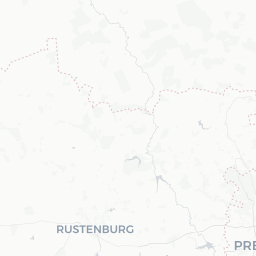
Rustenburg is a mid-sized city in South Africa's North West Province, situated at the foot of the Magaliesberg mountain range roughly 120 km northwest of Johannesburg. With a population approaching 400,000, it is one of the larger urban centres in the province and functions simultaneously as an industrial hub — driven largely by platinum-group metal mining — and as a practical base for visitors exploring the surrounding bushveld.
For travelers, Rustenburg's value is largely geographic. Pilanesberg National Park, one of South Africa's most accessible Big Five reserves, lies about 45 km to the north. The Sun City entertainment and resort complex sits adjacent to the park. The scenic Magaliesberg mountains frame the city to the south and east, offering hiking and nature escapes within an hour's drive. The city itself is a working South African town with supermarkets, shopping malls, fuel stations, and accommodation — useful infrastructure that many of its more purely tourist-oriented neighbours lack.
The local economy is heavily shaped by platinum mining, and several major mines operate in the broader district. This gives parts of the greater Rustenburg area an industrial character that first-time visitors should be aware of, particularly on the city's outskirts. The commercial centre and residential suburbs, however, are well-serviced and navigable.
Before You Go
Visas
South Africa's visa rules vary considerably by nationality. This guide does not list specific requirements, as these can change. Check TravelerPulse's Visas section and the official South African Department of Home Affairs website for current, authoritative information before booking.
Health
Rustenburg itself is not in a malaria zone, but if you plan to visit Pilanesberg or travel further north into Limpopo, assess malaria risk with a travel health professional well before departure. Yellow fever vaccination certificates may be required if you are arriving from certain countries — verify this with the immigration authority. Standard travel vaccinations (hepatitis A and B, typhoid, tetanus) are generally advisable for any South Africa trip; consult your doctor.
What to Pack
- Light, breathable clothing for summer (October–April); temperatures can exceed 35 °C
- Warm layers for winter nights and mornings (May–August), which can drop close to freezing
- Sunscreen and a hat — UV intensity is high year-round
- Insect repellent, particularly if you intend game drives
- A power adapter for South Africa's Type M (three large round pins) plugs; voltage is 230 V
Getting There
By Air
Rustenburg does not have scheduled commercial airline services at present. The nearest major international airport is OR Tambo International Airport (JNB) in Johannesburg, approximately 140–160 km away by road depending on the route taken. Lanseria International Airport (HLA), on Johannesburg's northwestern outskirts, is closer — roughly 90–100 km — and is served by several domestic carriers. Verify current schedules and airlines operating into Lanseria before relying on it for your itinerary.
By Road
The N4 national route connects Pretoria to Rustenburg and is the primary road corridor. From Johannesburg, the most common routes run via the N14 or through Pretoria. Road conditions on the N4 are generally acceptable, though construction and heavy freight traffic from the mines can cause delays. Car hire is available at OR Tambo and Lanseria airports, and self-driving is the most flexible way to reach Rustenburg and its surroundings.
By Bus
Several long-distance bus and shared minibus taxi routes link Rustenburg with Johannesburg, Pretoria, and other North West towns. Intercity bus operators serve this corridor — verify current routes, times, and fares directly with operators or at the local bus terminal. Minibus taxis are ubiquitous but best used only if you are familiar with how they operate in South Africa.
Getting Around
A private vehicle — hired or your own — is strongly recommended for anyone wishing to explore Pilanesberg, Sun City, and the Magaliesberg. Public transport within Rustenburg city consists mainly of minibus taxis, which connect suburbs and the CBD but follow informal routes that can be difficult to navigate without local knowledge.
Ride-hailing apps including Bolt and Uber operate in Rustenburg, though driver availability outside peak hours and in outlying areas can be inconsistent — verify app coverage when you arrive. Metered taxis can be arranged through hotels or guesthouses.
If you are driving, note that fuel (petrol and diesel) is widely available within the city. GPS navigation is reliable in Rustenburg, though rural roads around Pilanesberg's buffer zone can be poorly signposted — download offline maps before leaving urban areas.
Where to Stay
Rustenburg offers a practical range of accommodation — from budget guesthouses and B&Bs in the suburbs to mid-range hotels along the main commercial corridors. Options are generally more affordable than at Sun City or inside Pilanesberg itself, making the city a cost-effective base for those on tighter budgets who are comfortable with the daily commute to the park.
For visitors whose primary goal is wildlife, lodges and camps inside or immediately adjacent to Pilanesberg National Park offer early-morning and late-afternoon game drive access that a Rustenburg base cannot match. Sun City's hotels span a wide price range — from self-catering to full resort luxury — and are worth considering for families or those who want the full resort experience.
Book accommodation well in advance over South African school holidays (particularly June–July and December–January), as Pilanesberg and Sun City are popular domestic tourism destinations and availability can be tight. Verify cancellation policies carefully.
Things to See & Do
Pilanesberg National Park
Pilanesberg is arguably the primary reason most visitors come to this region. Spanning roughly 580 km², it occupies the crater of an ancient alkaline volcanic complex and supports all of the Big Five (lion, leopard, elephant, buffalo, and rhinoceros — both black and white). It is a malaria-free reserve, which is a significant advantage for families and travelers who prefer to avoid prophylactics. Self-drive game drives are permitted, and guided drives can be arranged through lodges within the park. Verify current entrance fees and gate hours with the park directly or through North West Parks.
Sun City Resort
Adjacent to Pilanesberg, Sun City is a large entertainment and hotel complex with casinos, waterparks, golf courses, and a variety of accommodation options. It operates independently from the national park. Admission fees, activity costs, and resort facilities should be confirmed directly with Sun City, as they change periodically.
Magaliesberg Mountains
The Magaliesberg range, one of the oldest mountain ranges on Earth, lies immediately south of Rustenburg. It offers hiking trails, bird watching, rock climbing, and scenic drives. Numerous small nature reserves, retreat centres, and adventure activity operators are based in the valley — look for locally accredited operators and verify trails are open before heading out.
Rustenburg Nature Reserve
This municipal reserve on the slopes of the Magaliesberg, close to the city centre, provides accessible day hiking and is home to a variety of bird species and small mammals. It is a manageable half-day outing without the need to drive far from town. Confirm current opening status and any fees with local tourism offices.
Local Markets and Town Centre
Rustenburg's CBD has a busy informal economy. The Waterfall Mall and Crossing shopping centres provide the full range of South African retail. For a more local experience, the taxi rank area and central streets offer street food, produce, and everyday commerce typical of a North West provincial city.
Food & Drink
Rustenburg's food scene reflects its working-city character. The major shopping centres contain chain restaurants, fast food outlets, and family steakhouses familiar throughout South Africa. Independent restaurants serving South African braai (barbecue) dishes, Afrikaner comfort food, and regional Setswana-influenced cooking are found in the suburbs and along key commercial strips.
For self-catering, Checkers, Pick n Pay, Woolworths Food, and Spar supermarkets are all represented in the city, making it straightforward to stock up for game-drive picnics or Magaliesberg day trips.
Alcohol is widely available in restaurants and bottle stores (liquor stores), though trading hours are regulated and vary by establishment and day of the week. Tap water in Rustenburg is treated municipal water; when in doubt, particularly after heavy rains, use bottled water.
If staying near Pilanesberg or Sun City, resort and lodge restaurants are the primary dining option — these tend to be pricier than city alternatives. Sun City's complex has a broader range of dining venues; check the current offerings on their site.
Practical Information
Money
ATMs are plentiful in Rustenburg's shopping centres and the CBD. Major credit and debit cards (Visa, Mastercard) are accepted at most formal businesses. Carry some cash for informal markets, minibus taxis, and smaller roadside vendors.
Connectivity
Mobile network coverage (MTN, Vodacom, Cell C, Telkom) is generally strong in the city and along the main roads to Pilanesberg. Coverage can thin in parts of the Magaliesberg valleys. Wi-Fi is available at most hotels and many restaurants.
Emergency Services
South Africa's national emergency numbers include 10111 (police) and 10177 (ambulance), and 112 from a mobile phone covers general emergencies. Verify locally which hospitals serve the Rustenburg area and whether your travel insurance is accepted — private hospitals typically require upfront payment or proof of insurance.
Electricity
South Africa uses 230 V / 50 Hz with Type M (three large round pins) sockets. Load-shedding (scheduled power outages) remains a reality in South Africa; check the current Eskom or municipal load-shedding schedule on arrival, and ask your accommodation how they handle outages.
Tipping
Tipping is customary in South Africa. Around 10–15% is standard in restaurants if service is not already included. Petrol station attendants (who fill tanks for you) and car guards also customarily receive small tips — verify locally what is standard.
Safety
Rustenburg, like most South African cities, requires a degree of situational awareness. General street crime — bag snatching and opportunistic theft — can occur in busy areas such as the CBD and taxi ranks. Avoid displaying expensive cameras, phones, or jewellery unnecessarily, particularly in crowded informal areas.
Driving safety: carjacking is a concern in South Africa broadly. Keep car doors locked while driving, be aware of your surroundings at traffic lights, and avoid stopping in unlit or isolated areas at night. Plan unfamiliar routes before departure rather than appearing to navigate while stationary.
At Pilanesberg, follow all park rules regarding staying in your vehicle in unfenced areas. Do not approach wildlife on foot outside designated areas. Sun City is a managed resort environment with its own security.
Travel insurance that covers medical evacuation is strongly recommended. South Africa's private medical facilities are generally of good quality, but can be expensive without insurance. Register with your country's embassy or consulate before traveling to South Africa if your government provides this service.
Local Culture & Etiquette
Rustenburg sits in a predominantly Setswana-speaking region of South Africa, reflecting the historical territory of the Bakgatla and Bafokeng peoples, among others. The Royal Bafokeng Nation, whose traditional territory encompasses parts of the Rustenburg area, is a notable example of a traditional community that has negotiated significant economic stakes in local platinum mining — an unusual and locally significant development worth understanding as context for the region.
Greetings are important in local culture. A simple 'Dumela' (hello in Setswana) is appreciated. Afrikaans is also widely spoken and reflects the area's Boer settlement history; English is understood in most commercial settings.
Sundays remain relatively quiet in many parts of the city, with some businesses operating reduced hours. Public holidays and school holiday periods bring increased domestic tourism activity, particularly around Pilanesberg and Sun City.