Translate
Overview
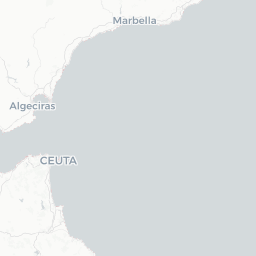
Marbella sits on Spain's Costa del Sol in the province of Málaga, Andalusia, backed by the Sierra Blanca mountains and facing the Mediterranean. With a resident population of around 156,000 that swells considerably in summer, it is one of southern Spain's most internationally recognised resort cities.
The city divides into distinct zones: a compact, well-preserved old town (Casco Antiguo) of whitewashed lanes and flower-filled squares; a long seafront promenade (Paseo Marítimo) flanked by beach clubs and restaurants; and the glamorous marina suburb of Puerto Banús, about 7 km to the west, known for its superyachts and designer boutiques.
Marbella is neither purely a beach town nor a cultural city — it functions as both, and that duality is worth understanding before you arrive. Visitors who confine themselves to the Golden Mile strip will see a different place than those who spend a morning in the orange-tree-lined Plaza de los Naranjos or climb into the hills above the city. Both experiences are genuine.
Before You Go
Visas
Spain is a Schengen Area member. Visa requirements depend on your nationality and, increasingly, on evolving EU entry schemes. Do not rely on general summaries — check the TravelerPulse Visas section and consult the Spanish Ministry of Foreign Affairs or your nearest Spanish consulate well before travel.
Health
No vaccinations are required for entry from most countries, but routine immunisations should be up to date. European Economic Area residents should carry a European Health Insurance Card (EHIC) or its national equivalent; all other travellers should carry comprehensive travel insurance with medical cover. Pharmacies (farmacias, marked with a green cross) are plentiful and well-stocked for minor ailments.
Climate
Marbella enjoys a warm Mediterranean climate with hot, dry summers and mild winters. July and August temperatures regularly exceed 30 °C on the coast, and humidity can be high. The shoulder months of May–June and September–October offer the most comfortable conditions for sightseeing and outdoor activity. Winters are mild and mostly sunny, making Marbella a year-round destination.
What to Pack
- Reef-safe sunscreen — UV intensity is high even in spring and autumn
- Layers for evenings in spring and autumn, when temperatures can drop noticeably after sunset
- Smart-casual clothing — many restaurants and clubs operate informal dress codes, but very casual beachwear is not appropriate in upscale dining venues or the old town
- Comfortable walking shoes for the old town's cobblestoned streets
Getting There
By Air
The main gateway is Málaga–Costa del Sol Airport (IATA: AGP), approximately 55–60 km east of Marbella. It is one of Spain's busiest airports and receives direct scheduled and charter flights from numerous European cities, as well as connections from further afield via Madrid (Adolfo Suárez Madrid–Barajas) and Barcelona (El Prat). Verify current routes and schedules directly with airlines or your booking platform, as they change seasonally.
From the airport, options for reaching Marbella include:
- Taxi or private transfer: The most straightforward option, though fares should be confirmed before departure; verify current rates locally or through licensed operators.
- Bus: A public bus service connects Málaga city centre to Marbella bus station (Estación de Autobuses). From the airport to Málaga city centre, local buses and the suburban rail (Cercanías) operate regularly. Journey details and timetables change — check ALSA (the main long-distance operator) and the Málaga transport authority websites for current information.
- Car hire: Agencies operate at the airport. Marbella has adequate parking, though the old town core is largely pedestrianised and parking there is limited.
By Road
Marbella is connected to the rest of Spain and Portugal via the AP-7 (toll motorway) and the parallel A-7 coastal road. Driving from Málaga city takes roughly 45–60 minutes depending on traffic and route. Summer traffic on the A-7 can be significant.
By Bus
Long-distance coach services (primarily ALSA) link Marbella to Málaga, Seville, Granada, and Madrid. Check current schedules and booking at the ALSA website or verify locally.
Getting Around
On Foot
Marbella's old town is compact and best explored on foot. The Paseo Marítimo is a pleasant promenade for walking or cycling along the seafront.
Local Bus
The Marbella municipal bus network (Autobuses Urbanos de Marbella) connects the town centre, beaches, and Puerto Banús. Fares are modest; verify current routes and prices at the local bus authority or tourist information offices. Buses between central Marbella and Puerto Banús run frequently and are a practical and affordable option.
Taxi and Ride-Hailing
Licensed taxis are widely available. Uber and Cabify operate in the broader Costa del Sol area — verify availability before relying on them. Negotiate or confirm metered fares before longer journeys.
Cycling and E-Scooters
A dedicated seafront cycle path runs much of the length of the promenade. Several rental services operate in the city; verify locally for current options and pricing.
Car
A car is useful for visiting hill villages, golf courses, or beaches outside the main resort strip. Parking in central Marbella and Puerto Banús is limited in high season; underground and surface car parks are available. The old town itself is largely pedestrian-only.
Things to See & Do
Old Town (Casco Antiguo)
Marbella's historic centre is arguably its most rewarding district for visitors seeking something beyond the beach. The Plaza de los Naranjos (Orange Tree Square) is the social heart, ringed by outdoor café terraces and flanked by the 15th-century town hall and a small chapel. The surrounding lanes — many hung with flower baskets — contain small museums, tapas bars, and independent shops. The old town is modest in scale compared to Seville or Granada but is well maintained and genuinely inhabited.
Beaches
The municipality has over 27 km of coastline split into numerous named beaches (playas). Playa de la Fontanilla and Playa de Venus are close to the town centre and tend to be busy in summer. Beach clubs (chiringuitos) offer sunbed hire, food, and drinks; standards and prices vary considerably. Quieter stretches exist east and west of the main resort area — verify locally for current conditions, as beach configurations can change after winter storms.
Puerto Banús
The marina roughly 7 km west of central Marbella attracts visitors for its concentration of superyachts, designer shops, and seafront restaurants. It is a spectacle in its own right, and the marina promenade is open to all. Expect prices in bars and restaurants here to be higher than in the old town.
Golf
The wider Marbella area has a high concentration of golf courses, many of championship standard. The Costa del Sol is sometimes marketed as the "Costa del Golf." Visitors planning to play should book tee times well in advance in peak season and verify current green fees directly with individual clubs.
Museo del Grabado Español Contemporáneo
A small but respected museum of Spanish contemporary printmaking housed in a restored 16th-century hospital in the old town. Verify current opening hours and admission fees on the museum's official channels before visiting.
Excursions into the Hills
The Serranía de Ronda and villages of the White Towns (Pueblos Blancos) — including Ojén, just 8 km from Marbella — are accessible for half-day or full-day excursions by car. The hillside provides a marked contrast to the coastal resort atmosphere.
Food & Drink
Local Cuisine
Andalusian coastal cooking forms the baseline: fried fish (pescaíto frito), grilled fresh catch, shellfish, and cold soups such as gazpacho and ajoblanco. These are not inventions for tourists — they are genuinely everyday foods in local homes and informal restaurants. Look for the word "cocina andaluza" on menus as an indicator of regional cooking.
Where to Eat
Marbella has restaurants spanning a wide spectrum, from simple tapas bars in the old town to high-end international dining. The old town and the area around Calle San Lázaro and the market hall (Mercado Municipal de Marbella) tend to offer better value than the seafront promenade or Puerto Banús. The mercado itself is a good place to buy fresh produce and observe local daily life.
Tapas Culture
Unlike Seville or Granada, Marbella does not universally provide free tapas with drinks — this is a regional variation within Andalusia worth knowing. In most Marbella bars, tapas are ordered and paid for separately. Portions called raciones are larger shared plates; tapas are smaller individual servings.
Drink
Local wines from the Málaga DO and Sierras de Málaga DO appellations are worth seeking out — the region produces distinctive sweet wines from Pedro Ximénez and Muscat grapes, as well as dry whites and reds that remain underappreciated internationally. Craft beer has a growing presence. Alcohol is widely available; those seeking non-alcoholic options will find fresh fruit juices, horchata, and the local cold coffee drink (café con hielo) readily available.
Shopping
Marbella's shopping divides roughly between luxury and everyday. Puerto Banús concentrates international designer brands, with boutiques lining the marina and adjacent streets — this is one of southern Spain's most prominent luxury retail areas. Prices reflect that positioning.
The old town and central Marbella have a more varied mix: independent boutiques, ceramics and craft shops, souvenir vendors, and general stores. The Mercado Municipal is useful for local food products to take home, including cured meats, cheeses, olive oil, and sweet wines.
Spanish shopping hours traditionally include a midday break, though this pattern is less consistent in tourist-facing businesses. Larger stores and chains tend to maintain continuous hours. Standard EU consumer protections apply, including rights to exchange or refund faulty goods — keep receipts.
Practical Information
Money
Euros are the only currency. ATMs are widely available throughout the city. Card payments are accepted in most hotels, restaurants, and shops, though smaller tapas bars and market stalls may be cash-only — it is sensible to carry some cash. Verify your bank's foreign transaction fees before travel.
Communications
Marbella has good mobile coverage from major Spanish providers. EU residents benefit from roam-like-at-home rules (verify current status with your provider). Other visitors should check international roaming costs or consider a local SIM. Free Wi-Fi is available in many hotels, cafés, and some public spaces.
Electricity
Spain uses the Type C and Type F plug standard at 230 V / 50 Hz. Travellers from the UK will need a plug adapter; those from North America will need both an adapter and a voltage converter for non-dual-voltage devices.
Emergency Numbers
- General European emergency number: 112 (police, fire, ambulance)
- National Police: 091
- Local Police: 092
These numbers are standard for Spain; always verify locally if in doubt.
Tourist Information
Marbella has official tourist information offices — locations and hours should be verified locally or on the Marbella town council (Ayuntamiento de Marbella) website, as these can change.
Safety
Marbella is generally considered a safe destination for tourists, with the usual cautions that apply to any busy resort city in southern Europe. Petty theft — pickpocketing, bag-snatching — is the most commonly reported problem, particularly in crowded beach areas, markets, and around Puerto Banús. Keep bags zipped and visible, avoid leaving valuables unattended on beaches, and use in-room safes where available.
Scooter-based bag theft has been reported on the seafront in summer, as in many Mediterranean resort cities. Carry bags on the side away from the road where possible.
Nightlife in Marbella and Puerto Banús can be intense in peak season. Drink spiking, while not unique to this destination, has been reported in nightlife settings. Travel with companions where possible, and do not leave drinks unattended. Licensed taxis are preferable to informal offers of rides late at night.
Sun safety is genuinely important: UV levels are high along the Costa del Sol and heatstroke is a risk for visitors unaccustomed to the climate. Stay hydrated, use high-factor sunscreen, and seek shade during the hottest part of the day (roughly 12:00–16:00 in summer).
For the latest travel advice for Spain, consult your national government's foreign travel advisory service before departure.
Local Culture & Etiquette
Marbella has been a major international tourism destination since the 1950s and 1960s, when it attracted European celebrities and wealthy visitors. This history has shaped a city that is outwardly international in character while remaining Andalusian at its core. The old town's residents live ordinary daily lives alongside the tourism industry — treat the neighbourhood accordingly, not as a theme park.
Andalusian social customs apply: greetings matter (a "buenos días" or "buenas tardes" goes a long way in shops and restaurants), meal times run later than in northern Europe (lunch from roughly 14:00–16:00, dinner rarely before 21:00), and Sunday is still a quieter day in many local-facing businesses.
Catholic feast days and local festivals punctuate the calendar. The Feria de San Bernabé in June is Marbella's main annual fair and a significant local event. Semana Santa (Holy Week, before Easter) is observed with processions and is an important religious and cultural occasion throughout Andalusia.
Flamenco is Andalusian in origin, not specifically Marbella's own, but performances are available through dedicated venues and some restaurants. Seek out those with genuine artists rather than purely tourist-facing shows if the art form interests you.