Overview
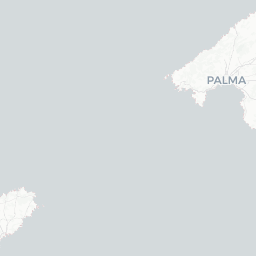
Son Anglada is a small, low-key residential locality situated on the western edge of Palma, the capital of Mallorca in Spain's Balearic Islands. With a population of around 550, it functions primarily as a quiet suburb rather than a tourist destination in its own right, but its proximity to central Palma — roughly 3–5 kilometres away — makes it a practical and peaceful base for visitors who prefer to stay away from the bustle of the city centre.
The area sits at a modest elevation on the slopes leading toward the Tramuntana foothills, offering occasional views toward Palma Bay. The landscape is characterised by residential streets, traditional stone walls, mature gardens, and remnants of the agricultural character that once defined this part of the island.
Travellers who find themselves in Son Anglada are typically drawn not by the locality itself but by its position: close enough to Palma's historic core, beaches, and transport links to make day trips effortless, yet quiet enough to feel genuinely removed from the city's tourist infrastructure.
Before You Go
Spain is a member of the European Union and the Schengen Area. Entry requirements vary depending on your nationality. For accurate, up-to-date visa information, check TravelerPulse's Visas section and consult Spain's official immigration authority before you travel.
Health
No specific vaccinations are required to visit Mallorca. Tap water in the Palma area is generally safe to drink, though many locals and visitors prefer bottled water. The island has good medical facilities; the main public hospital serving the Palma area is Son Espases University Hospital. EU citizens should carry a European Health Insurance Card (EHIC); travellers from other countries should ensure they have comprehensive travel health insurance.
What to pack
- Sunscreen and a hat are essential from April through October; UV levels can be intense even in spring.
- Comfortable walking shoes if you plan to explore Palma's old town or nearby rural tracks.
- A light layer for evenings, particularly outside the July–August peak.
- EU plug adaptors (Type F, 230V) if you are arriving from outside Europe.
Getting There
By Air
Palma de Mallorca Airport (PMI) is one of Spain's busiest airports and receives direct flights from cities across Europe year-round, with significantly expanded schedules from April through October. Son Anglada lies approximately 8–10 kilometres from the airport. Taxis are available from the airport rank; verify current fares and journey times locally or through the official Mallorca taxi service.
By Sea
Palma's ferry port connects to Barcelona, Valencia, Denia, and Ibiza, among other destinations, via Baleària, Trasmediterránea, and other operators. Crossings from Barcelona typically take around seven to eight hours on standard services, with faster options available — check current schedules and book ahead, especially in summer.
Getting to Son Anglada from Palma
Son Anglada is accessible by local bus routes that connect the western suburbs of Palma. Verify current route numbers and timetables with the Empresa Municipal de Transports (EMT Palma) or locally, as services change seasonally. Taxis and ride-hailing apps (Cabify operates on Mallorca) are reliable alternatives.
Getting Around
Within Son Anglada itself, the area is small enough to navigate on foot. Streets are quiet and residential, and walking is the most straightforward way to explore the immediate locality.
For reaching Palma's centre, beaches, or other parts of the island, a hire car offers the most flexibility and is worth considering if you plan to explore beyond the capital. All major international and local car hire companies operate at PMI airport and in Palma. Mallorca also has a narrow-gauge railway (Serveis Ferroviaris de Mallorca) connecting Palma to Inca, Manacor, and Sa Pobla, though the nearest stations are in central Palma.
Cycling infrastructure in the Palma metropolitan area is improving, and dedicated cycle paths connect some suburban areas to the city. Verify current cycle route coverage before relying on this option.
Things to See & Do
Son Anglada itself does not have dedicated tourist attractions, but its position makes it an excellent launchpad for the broader region.
Palma de Mallorca (nearby)
The old town of Palma, reachable in minutes by car or bus, contains the Gothic Cathedral of Santa María (La Seu), the Almudaina Royal Palace, the Bellver Castle, the Es Baluard Museum of Modern and Contemporary Art, and a dense network of historic streets, courtyards, and independent shops. Most major museums charge admission; verify current fees and opening hours before visiting.
Natural surroundings
The Serra de Tramuntana mountain range — a UNESCO World Heritage landscape — begins not far to the north and west of Palma. Scenic drives, walking trails, and villages such as Valldemossa and Deià are within easy reach by car.
Beaches
Mallorca's closest beaches to Palma include Cala Mayor, Illetes, and Playa de Palma, all reachable from Son Anglada in under 20 minutes by car depending on traffic.
Food & Drink
Son Anglada is a residential area without a dedicated restaurant or bar scene of its own. For dining, visitors will want to head into Palma or to nearby coastal towns.
Mallorcan cuisine to seek out
- Pa amb oli: the island's staple — bread rubbed with tomato and olive oil, typically topped with cured meats or cheese.
- Sobrassada: a cured, spreadable sausage made with local pork and paprika.
- Tumbet: a layered vegetable dish of aubergine, potato, and peppers in tomato sauce.
- Ensaïmada: the island's iconic spiral pastry, eaten plain or filled.
- Local wines: Mallorca's Binissalem DO and Pla i Llevant DO produce wines worth trying; look for them on restaurant lists.
Palma's Santa Catalina neighbourhood and the area around the Passeig del Born have a high concentration of restaurants, tapas bars, and cafés at a range of price points. The Mercat de l'Olivar in central Palma is a good place to sample local produce.
Practical Information
Emergency numbers
- 112 — pan-European emergency number (police, fire, ambulance)
- 061 — medical emergencies in the Balearic Islands
- 091 — National Police
- 062 — Civil Guard
Money
ATMs are readily available in Palma. Contactless card payment is widely accepted across the island, though it is prudent to carry some cash for smaller businesses and markets in residential areas.
Connectivity
Mobile coverage (4G/5G) is generally good across the Palma metropolitan area. Free Wi-Fi is available in many cafés and public spaces in Palma's centre. If you require a local SIM, Spanish operators such as Movistar, Orange, and Vodafone have outlets at the airport and in Palma.
Useful contacts
- Palma Tourist Office: verify current location and hours at the official Ajuntament de Palma or Mallorca Tourism websites.
- Lost property and non-emergency police matters: contact the Local Police (Policía Local de Palma) — verify the current non-emergency contact locally.
Safety
Mallorca and the Palma area are generally considered safe destinations for travellers. Petty theft — particularly pickpocketing — is the most commonly reported issue and is most prevalent in busy tourist areas of central Palma, on public transport, and at the airport. Son Anglada itself, as a quiet residential suburb, experiences very low levels of tourist-related crime.
Standard precautions apply: keep valuables secure, be aware of your surroundings in crowded areas, and avoid leaving items visible in parked cars. Road safety: Mallorca attracts large numbers of cyclists; drivers should allow adequate space when overtaking. Coastal swimming carries seasonal risks from jellyfish and currents — observe local flags on beaches and follow lifeguard guidance.
Local Culture & Etiquette
Mallorca has a distinct cultural identity shaped by its Catalan linguistic heritage, Mediterranean location, and long history of trade and settlement. The local language is Mallorcan Catalan (Mallorquí), and you will see it on street signs and in official contexts alongside Castilian Spanish. Making even a basic attempt at Spanish is appreciated; Mallorquí phrases, while not expected, will be warmly received.
The island observes Spanish national public holidays as well as Balearic regional holidays. Local feast days (festes) are important community events — Son Anglada falls within the municipality of Palma, whose main patron saint festival is Sant Sebastià in January, marked by bonfires and concerts across the city.
Mallorca has a strong tradition of artisan crafts, including handmade leather goods, ceramics, and glasswork (particularly from the Gordiola glassworks tradition). These make for more meaningful souvenirs than mass-produced items.