Translate
Overview
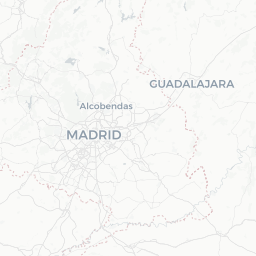
The Salamanca district (Barrio de Salamanca) is one of Madrid's most prestigious and well-preserved neighbourhoods, located northeast of the city centre in the Retiro borough. Developed in the second half of the 19th century under the patronage of José de Salamanca y Mayol—a financier and politician who gave the district its name—it was planned as a modern, bourgeois extension of the Spanish capital on a regular grid layout.
The neighbourhood is broadly bounded by Calle de Serrano to the west, Calle de Goya to the south, Avenida de los Toreros to the east, and María de Molina to the north. Its wide, orderly avenues are lined with stately apartment buildings, many retaining ornate Belle Époque and neo-classical facades that distinguish it architecturally from other Madrid barrios.
Today Salamanca functions simultaneously as an upscale residential area and one of Madrid's primary retail corridors. It attracts both residents and visitors who come for its concentration of international luxury brands, independent Spanish designers, gourmet food shops, and a lively restaurant scene. Despite its affluent character, the neighbourhood remains approachable and well connected to the rest of the city by metro.
Before You Go
Spain is a member of the European Union and the Schengen Area. Entry requirements vary by nationality. For accurate, up-to-date visa information, check the TravelerPulse Visas section and the official Spanish immigration authority (Secretaría de Estado de Migraciones). Do not rely on third-party summaries for formal entry requirements.
Health & Practical Prep
- EU/EEA travellers should carry their European Health Insurance Card (EHIC). Non-EU visitors are advised to arrange comprehensive travel insurance before departure.
- Tap water in Madrid is safe to drink.
- Pharmacies (farmacias) are plentiful in Salamanca and identifiable by a green cross sign; duty rotas mean at least one is open at all hours in most areas—check locally or look for posted rota notices on pharmacy doors.
- Spain uses Type F (Schuko) electrical outlets at 230V/50Hz. Visitors from the UK, US, or other regions should bring appropriate adapters.
Currency & Payments
Cards are widely accepted throughout Salamanca, including contactless. ATMs are readily available. It is still advisable to carry a small amount of cash for smaller cafés or market stalls.
Getting There
Salamanca district sits within the Madrid city limits and is not a separate travel destination in terms of international arrival; visitors fly into Adolfo Suárez Madrid-Barajas Airport (MAD), which serves a large number of European and intercontinental routes.
From the airport, the metro Line 8 connects Barajas terminals to Nuevos Ministerios, where passengers can change to Line 4, which runs directly through the Salamanca district with stops at Goya, Lista/Diego de León, and Príncipe de Vergara. Journey time from the airport is typically 30–45 minutes depending on the terminal. Taxis and ride-hailing services are also available from the airport; verify current fare estimates locally before travel.
For those arriving by rail, Madrid's main intercity stations—Atocha and Chamartín—are both connected to Salamanca via metro. Atocha serves high-speed AVE trains from cities including Barcelona, Seville, Valencia, and Málaga. Chamartín handles services from the north and northwest of Spain. Verify current schedules and fares on the Renfe official website.
Getting Around
Salamanca is a walkable neighbourhood with a regular street grid, making it easy to navigate on foot. Most points of interest—shops, restaurants, and the Mercado de la Paz—are within comfortable walking distance of one another.
Metro
Madrid's metro is the most practical way to move between Salamanca and other parts of the city. The relevant lines are Line 4 (running along Calle de Goya and into the district's core) and Line 6, which links to the Nuevos Ministerios interchange. Single tickets and multi-journey cards are available at station machines; verify current fares at the Consorcio Regional de Transportes de Madrid (CRTM) official website.
Bus
EMT (Madrid's municipal bus company) operates several surface routes through Salamanca, useful for shorter hops or reaching areas between metro stops. Route maps and real-time information are available via the EMT Madrid app and website.
Cycling & Scooters
Madrid's BiciMAD electric bike-share system has docking stations in Salamanca. Shared electric scooters from various operators also operate in the area; check current operator availability locally as this sector changes frequently.
Taxis & Ride-hailing
Licensed taxis (white vehicles with a red diagonal stripe) are metered and readily hailed on major streets. Ride-hailing apps including Uber and Cabify operate in Madrid; verify current pricing in-app.
Where to Stay
Salamanca is one of Madrid's most sought-after addresses for accommodation, offering a range of options from large international hotel chains to boutique properties and short-term apartment rentals. Staying in the district places guests within easy reach of the Retiro park, the Reina Sofía and Prado museums (a metro ride or brisk walk south), and the restaurant and bar scene along Calle de Serrano and Calle de Velázquez.
For the most accurate and current hotel listings, pricing, and availability, search on established booking platforms or contact properties directly. Demand can be high during major events such as the San Isidro festival (May) or Madrid Fashion Week, so booking ahead is advisable in peak periods.
Short-term apartment rentals are widely available in the district and can be a practical option for stays of several nights, particularly for travellers who want access to a kitchen. Verify that any rental property complies with Madrid's current short-term rental regulations before booking.
Things to See & Do
Mercado de la Paz
Located on Calle de Ayala, the Mercado de la Paz is Salamanca's neighbourhood market and a working, well-stocked food market serving local residents. It offers fresh produce, fish, meat, cheese, and deli goods. The market also has a small bar-restaurant section where visitors can eat alongside locals. Verify current opening hours directly with the market.
Calle de Serrano
Often called Madrid's answer to a luxury retail boulevard, Calle de Serrano runs the length of the western edge of the district and hosts international fashion houses alongside Spanish designers and gourmet food shops. It is as much a place to stroll and observe daily Madrileño life as it is to shop.
Parque del Retiro
Immediately adjacent to the southern edge of Salamanca, the Retiro is one of Madrid's principal public parks. It includes the Palacio de Cristal (a 19th-century glass pavilion used for exhibitions), the Estanque Grande rowing lake, formal gardens, and shaded walking paths. Entry to the park is free; check current opening hours and any timed exhibition entry requirements on the Museo Reina Sofía or Ayuntamiento de Madrid sites, as the Palacio de Cristal is managed by the Reina Sofía.
Museo Arqueológico Nacional
Located at the border of Salamanca district on Calle de Serrano, the National Archaeological Museum holds collections spanning prehistory through the medieval period in Iberia and the broader Mediterranean. Verify current admission fees and hours on the museum's official site.
Architecture & Street-Level Detail
Walking the district's secondary streets—Calle de Claudio Coello, Calle de Jorge Juan, Calle de Lagasca—reveals well-preserved 19th- and early-20th-century residential architecture. The neighbourhood rewards a slow, observational pace.
Food & Drink
Salamanca supports a dense and varied dining scene ranging from traditional Madrileño tabernas and market-stall counters to contemporary Spanish cuisine and international restaurants. The area around Calle de Ayala, Calle de Lagasca, and Calle de Jorge Juan is particularly concentrated with options.
What to Eat
- Cocido madrileño: Madrid's traditional chickpea and meat stew, typically served in multiple courses. Several classic tabernas in and around the district serve it, usually on weekdays.
- Tapas: Small dishes accompanying drinks; jamón ibérico, croquetas, patatas bravas, and boquerones (anchovies) are standard across Madrid.
- Churros with chocolate: A classic Spanish breakfast or afternoon snack; chocolate con churros is popular at traditional churrerías and cafés.
Dining Rhythms
Spanish meal times differ notably from northern European or North American norms. Lunch (the main meal) runs roughly 2 pm–4 pm; dinner is typically from 9 pm onwards and rarely before 8:30 pm. Arriving at a restaurant at 7 pm may mean eating in an empty room or finding the kitchen not yet in service.
Drinking
Cafés serving coffee (café solo, cortado, café con leche) are plentiful and tend to be open from morning through mid-afternoon. Wine bars and cocktail bars become active later in the evening. The neighbourhood is generally calmer at night than areas like Malasaña or Chueca, but has a solid selection of relaxed wine bars and upscale cocktail venues.
Shopping
Shopping is a primary draw for many visitors to Salamanca, and the district is the most concentrated zone for retail in Madrid outside the Gran Vía corridor.
Calle de Serrano hosts flagship stores for international luxury and premium brands and is the district's main retail spine. Calle de Goya offers a slightly more accessible mix of mid-range Spanish and international chains. Calle de Claudio Coello and Calle de Lagasca are known for independent Spanish fashion designers, home goods shops, and specialist boutiques.
The Mercado de la Paz on Calle de Ayala is the place for high-quality provisions: Iberian charcuterie, Spanish cheeses, fresh seafood, and seasonal produce. Several specialist delicatessens and wine shops operate nearby, making the area a good stop for edible souvenirs within airline carry-on limits—check current customs restrictions for your destination country before purchasing perishable goods.
Spanish VAT (IVA) is included in displayed prices. Non-EU visitors may be eligible for a VAT refund on purchases above a minimum threshold; look for 'Tax Free' signage in shops and retain receipts. Verify current thresholds and procedures with the shop or the official Spanish tax authority (AEAT).
Practical Information
Emergency Numbers
- 112: Pan-European emergency number (police, fire, medical).
- 061: Madrid health emergencies.
- 091: National Police.
- 092: Local (Municipal) Police.
Hospitals & Clinics
Several private clinics with English-speaking staff operate in Salamanca. The nearest major public hospital can be confirmed locally or through the Madrid regional health service (Comunidad de Madrid website). Travel insurance that includes medical repatriation is strongly recommended for non-EU visitors.
Connectivity
Free Wi-Fi is available in many cafés, hotels, and some public spaces. Spain uses a SIM card market with several major operators (Movistar, Vodafone, Orange, MásMóvil); prepaid tourist SIMs are available at the airport and phone shops. EU residents benefit from roam-like-at-home mobile data; verify your plan before travel.
Tipping
Tipping is not obligatory in Spain but is appreciated. Rounding up the bill or leaving small change at a bar or café is common. In restaurants, a tip of roughly 5–10% is considered generous for good service; there is no strong social expectation equivalent to North American norms.
Accessibility
Salamanca's flat grid layout and wide pavements make it one of Madrid's more navigable neighbourhoods for travellers with mobility considerations. Most metro stations on Line 4 within the district are lift-equipped; verify specific station accessibility on the Madrid Metro official site before travel.
Safety
Salamanca is considered one of Madrid's safest districts, with low levels of street crime compared to higher-footfall tourist areas such as Sol or Gran Vía. That said, standard urban precautions apply: be attentive to your belongings in crowded market areas, on public transport, and in busy café terraces.
Pickpocketing is the most common crime affecting tourists in Madrid broadly. Carry only what you need, use inside pockets or a secure bag, and be alert around tourist-heavy sites even when visiting from Salamanca.
The district is well lit at night and generally active with residents into the late evening, which contributes to a sense of safety. As in any city, exercise normal awareness in quieter side streets at night.
For genuine emergencies, call 112. The nearest national police (Policía Nacional) commissary location can be verified on the Policía Nacional official website.
Local Culture & Etiquette
Salamanca district carries a social character shaped by its 19th-century origins as a planned bourgeois enclave. Residents tend to be professional and family-oriented, and the neighbourhood has a noticeably quieter daytime rhythm than central Madrid, punctuated by school runs, market visits, and café gatherings.
The Spanish concept of sobremesa—lingering at the table after a meal in conversation—is visible in local restaurants and should inform pacing expectations: staff will not typically rush diners or present the bill unsolicited.
The area around Calle de Jorge Juan, sometimes informally called the 'fashion mile,' hosts a number of concept stores and design-led spaces that reflect a contemporary, design-conscious strand of Madrid culture. Several small private art galleries operate in the district's quieter streets.
Madrid as a whole observes Catholic feast days and regional holidays that may affect shop opening hours. The feast of San Isidro (15 May) is Madrid's major civic festival; Salamanca tends to see increased foot traffic during this period. Verify local holiday calendars for the year of travel.