Overview
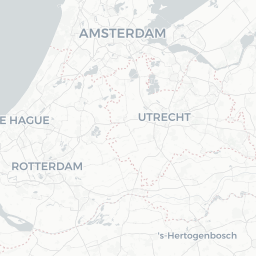
Leiden is a compact, historically dense city of around 120,000 people in the province of South Holland. It sits at the confluence of two branches of the Old Rhine and is threaded by more than 30 kilometres of canals lined with gabled townhouses and working drawbridges.
The city is best known internationally as the birthplace of the painter Rembrandt van Rijn (1606) and as home to Leiden University, founded in 1575 and the oldest in the Netherlands. That academic tradition shaped a city rich in museums — roughly 14 at last count — covering subjects from natural history and antiquities to geology, anatomy, and ethnography.
Unlike Amsterdam, Leiden receives far fewer mass-tourism visitors, which means quieter streets, shorter queues, and an atmosphere that still reflects everyday Dutch life. The historic centre is largely walkable and bikeable, and the train station puts central Amsterdam and The Hague each within roughly 30–40 minutes.
Before You Go
Visas
The Netherlands is a Schengen Area member. Visa requirements depend on your nationality and travel history. Do not rely on general summaries — check TravelerPulse's Visas section and the official website of the Dutch Immigration and Naturalisation Service (IND) well before you travel.
Health
No vaccinations are specifically required for travel to the Netherlands beyond standard up-to-date routine immunisations. Tap water is safe to drink throughout Leiden. EU/EEA citizens should carry a European Health Insurance Card (EHIC); all other travellers should arrange comprehensive travel health insurance before departure.
What to pack
- Leiden's weather is variable year-round; a waterproof layer is advisable in any season
- Comfortable walking or cycling shoes — the centre has cobblestone streets
- A bike lock if you plan to hire a bicycle
- A small daypack for museum hopping
Getting There
By train
Leiden Centraal is the main rail hub and is served frequently by NS (Dutch Railways) intercity and sprinter services. Journey times are roughly 35–40 minutes from Amsterdam Centraal, around 15–20 minutes from The Hague (Den Haag Centraal), and approximately 15 minutes from Schiphol Airport. Verify current timetables and fares at ns.nl.
By air
Amsterdam Airport Schiphol is the nearest international airport, with a direct train connection to Leiden Centraal that requires no changes. The journey is short enough that Leiden can function comfortably as an accommodation base for Schiphol-routed trips.
By bus and coach
Regional bus services connect Leiden to nearby towns in South Holland. Intercity coach operators also serve the city; check current routes and schedules with individual operators or via 9292.nl, the Dutch public transport journey planner.
By car
Leiden lies near the A4 and A44 motorways. Driving into the historic centre is significantly complicated by limited parking, canal-side restrictions, and a compact street layout. Parking garages exist on the city's edges; check the municipality's current guidance before arriving by car.
Getting Around
The historic centre is small enough that most museums, restaurants, and sights are reachable on foot within 15–20 minutes from the train station.
Cycling is the most natural way to move through Leiden and the surrounding polder landscape. Bike rental shops operate near the train station; verify current availability and pricing locally. Follow standard Dutch cycling etiquette: use designated bike lanes, signal turns, and do not park bicycles in prohibited zones.
Local buses run through areas beyond the walkable centre. Payment is by OV-chipkaart (the national contactless transit card) or by bank card on some services; cash is generally not accepted on Dutch public transport. Day tickets are available — confirm current options at 9292.nl or at the station.
Taxis and ride-hail apps operate in Leiden, though for short distances within the centre they offer little advantage over walking or cycling.
Things to See & Do
Museums
Leiden's museum density is exceptional for a city its size. Major institutions include:
- Rijksmuseum van Oudheden (National Museum of Antiquities) — one of the most significant archaeological collections in the Netherlands, including Egyptian artefacts and Greco-Roman material. Verify current opening hours and admission fees directly.
- Naturalis Biodiversity Center — a large natural history museum with an extensive collection of fossils, specimens, and biodiversity research. Recently expanded and modernised; one of Europe's leading natural history institutions.
- Museum Volkenkunde (National Museum of World Cultures) — ethnographic collections from across the globe.
- Museum De Lakenhal — the city's art and history museum, housed in a 17th-century cloth hall, with works by Leiden-born painters including Rembrandt and Jan Steen. Verify current hours before visiting.
- Leiden American Pilgrim Museum — a small, specialist museum documenting the Pilgrim Fathers, who lived in Leiden before sailing for North America in 1620.
Historic sites
- Burcht van Leiden — a motte-and-bailey fortress at the city's centre, offering rooftop panoramic views over the canal network. Free to enter; verify access locally.
- Pieterskerk — a large Gothic church that served as a gathering point for the Pilgrim community. It contains the tomb of theologian John Robinson.
- Hortus Botanicus Leiden — one of the oldest botanical gardens in the world, established in 1590 as part of Leiden University. Notable for its historical plant collections and connection to early botanical science in Europe.
Canals and public spaces
A walk or boat trip along Leiden's canal ring (Singel and inner waterways) provides strong context for the city's mercantile history. Boat tour operators offer seasonal canal cruises; verify current schedules locally. The Beestenmarkt and Nieuwe Rijn areas are pleasant places to sit and observe daily city life.
Food & Drink
Leiden's food scene is grounded in Dutch staples alongside a broad range of international options reflecting its university population. The Beestenmarkt square and surrounding streets have a high concentration of cafés, restaurants, and brown cafes (bruine kroegen — traditional Dutch pubs).
Local notes
- Hutspot holds special meaning in Leiden: a stew of carrots, onions, and potatoes traditionally associated with the Leiden's Relief of 3 October 1574, when Spanish forces besieging the city were driven off. It is served at many local restaurants, particularly around 3 October festivities.
- The city has a Saturday market (Markt) near the Nieuwe Rijn that sells produce, cheese, fish, and street food; verify current schedule with the municipality.
- Dutch frites (thick-cut fries) with various sauces are a reliable street food option throughout the centre.
- A range of Indonesian restaurants reflects the Netherlands' historical ties with Indonesia — rijsttafel (rice table) meals are widely available and worth trying.
Drinking culture centres on beer (both Dutch lagers and a growing craft scene), jenever (Dutch gin), and coffee. Most cafés serve both food and drink throughout the day.
Shopping
Leiden's main shopping street is the Haarlemmerstraat and its continuation, running through the centre and connecting to larger pedestrian shopping areas. It holds a mix of Dutch chain retailers, independent bookshops, and specialty stores.
The Saturday market near Nieuwe Rijn is the best opportunity to buy local produce, fresh stroopwafels, aged Gouda, and seasonal items. An antique and book market operates periodically — verify current schedule locally.
For museum-quality gifts and reproductions, the shops at Rijksmuseum van Oudheden and Naturalis are worth a look even for non-museum visitors.
Practical Information
Money
The Netherlands uses the Euro. ATMs (pinautomaten) are widely available in the city centre. Card payment — particularly contactless — is standard at virtually all restaurants, shops, and museums. Many establishments actively discourage or refuse cash; carry a card that works internationally.
Connectivity
Free Wi-Fi is available at the train station and many cafés. EU roaming rules mean EU/EEA mobile customers generally pay no roaming surcharge; non-EU travellers should check with their carrier or buy a local SIM.
Accessibility
Leiden's canal-laced historic centre includes cobblestone surfaces and narrow pavement sections that can challenge wheelchair users and those with limited mobility. The train station is accessible. Major museums have accessibility provisions — verify specifics directly with each institution before visiting.
Emergency contacts
- European emergency number: 112 (police, fire, ambulance)
- Non-emergency police: 0900-8844 (verify this number is current before travel)
- For pharmacy locations (apotheek), look for the green cross sign; a duty rota ensures at least one is open at all times.
Tipping
Tipping is not obligatory in the Netherlands but rounding up a bill or leaving 5–10% for good service in a restaurant is appreciated.
Safety
Leiden is generally a safe city with low violent crime rates. As with any university city, petty theft — particularly bicycle theft — is the most common issue. Lock bikes securely using a good-quality lock and a fixed anchor point. Keep bags and valuables out of view in public spaces.
The canal network, while picturesque, presents a real hazard at night, particularly after drinking. Unfenced canal edges are common in the historic centre; exercise caution in the dark or in wet conditions.
Traffic involving cyclists is the most common source of pedestrian incidents. Look carefully in both directions before crossing any lane — designated cycling paths are separate from pedestrian pavements and cyclists have priority on them.
Local Culture & Etiquette
Leiden's character is shaped by its centuries-long relationship with Leiden University, one of Europe's most respected academic institutions. The student population gives the city a youthful energy and a tradition of intellectual public life that shows up in its bookshops, lecture programmes open to the public, and café culture.
3 October is Leiden's most significant civic festival, commemorating the city's liberation from a Spanish siege in 1574. Events include the distribution of hutspot and herring, a funfair, street performances, and illuminated canal processions. If your visit coincides with this date, accommodation should be booked well in advance.
The Pilgrim Fathers connection gives Leiden a modest but genuine historical link to the United States. The community of English Separatists lived in Leiden for roughly a decade before departing on the Mayflower in 1620. A small but dedicated museum and several historical markers around the city document this period.
Dutch directness in communication is a cultural norm rather than rudeness; locals tend to be helpful when approached and English is almost universally spoken among working-age residents.