Overview
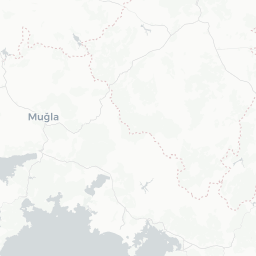
Bodrum sits on a finger of land jutting into the Aegean on Turkey's southwestern coast, in Muğla province. It is one of Turkey's most recognisable resort towns, shaped by a dramatic medieval castle that stands between its two main harbours. Yet Bodrum has older, deeper roots: the ancient city of Halicarnassus stood here, and the Mausoleum of Halicarnassus — built for the Carian king Mausolus in the 4th century BCE — was counted among the Seven Wonders of the Ancient World.
The town's whitewashed cubic houses and bougainvillea-draped streets have been shaped partly by the influence of Turkish intellectuals who settled here from the mid-20th century onward, giving Bodrum a reputation for arts and literature alongside its beach appeal. Today it balances a working fishing port, an international marina, upscale restaurants, and some of Turkey's most storied nightclubs — all within walking distance of each other.
The wider Bodrum Peninsula, which extends around the city, contains dozens of distinct villages and bays — Türkbükü, Gümüşlük, Göltürkbükü, Yalıkavak — each with its own character, making the peninsula worth exploring beyond the city centre itself.
Before You Go
Visas
Entry requirements depend on your nationality. Check TravelerPulse's Visas section for a general overview, then verify current rules with the official Turkish immigration authority (göç.gov.tr) or your nearest Turkish consulate before booking.
Health & vaccinations
No mandatory vaccinations are required for most visitors, but check with your doctor or a travel health clinic before departure. Travel health insurance is strongly recommended. Pharmacies (eczane) are well distributed across Bodrum and many pharmacists speak basic English.
What to pack
- Light, breathable clothing for summer; a layer for cooler evenings in shoulder season
- Reef-safe sunscreen (UV intensity is high from May onward)
- Modest clothing if visiting mosques or religious sites
- Comfortable walking shoes for cobblestone streets and castle interiors
- Adapter if needed: Turkey uses Type F (Schuko) sockets at 220 V / 50 Hz
Money
ATMs (bankamatik) are plentiful in the city centre and marina. Many tourist businesses accept euros and pounds informally, but you will generally get a better rate paying in lira. Verify card acceptance before relying on it at smaller establishments.
Getting There
By air
Milas–Bodrum Airport (BJV) serves the peninsula and is located roughly 35–40 km from Bodrum city centre. It receives direct international flights, particularly from European cities, during the summer season, and connects to Istanbul year-round. Transfer time to the city is approximately 45–60 minutes depending on traffic. Shared airport shuttle services (havataş) and private taxis are available; verify current schedules and fares on arrival or through your accommodation.
By ferry
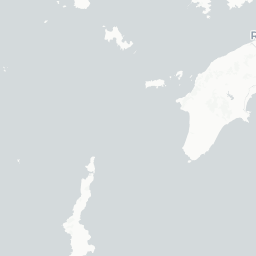
Bodrum has ferry connections to several Greek islands, including Kos, which is very close. Seasonal ferry routes also link Bodrum to Datça and other regional points. Ferry schedules and operators change seasonally — confirm current services with the Bodrum ferry terminal or operators such as Bodrum Ferryboat Association before travel.
By bus
Long-distance buses (otobüs) connect Bodrum to Izmir, Ankara, Istanbul, and other major Turkish cities. Several coach companies operate these routes; journey times are long (Istanbul is roughly 12–13 hours) but services are generally comfortable. The Bodrum otogar (bus station) is located just outside the city centre.
By private vehicle
Bodrum is accessible via the D330 and connecting roads. Parking in the city centre is limited in high season; consider staying outside the centre and using dolmuş or walking.
Getting Around
Dolmuş (shared minibus)
The dolmuş network is the primary public transport option in and around Bodrum. Minibuses run frequently between the city centre and peninsula villages such as Türkbükü, Yalıkavak, and Gümüşlük. Routes and fares are set; pay the driver in cash. This is generally the most practical and affordable way to reach outlying bays.
Walking
Bodrum's city centre — the castle, bazaar streets, marina, and Mausoleum site — is compact and walkable. The hillsides can be steep in places; comfortable shoes are worthwhile.
Taxis
Taxis are metered and available throughout the city. Negotiate or confirm the meter is running before longer journeys. Ride-hailing apps may be available; verify locally.
Boat taxis and excursions
Small boat taxis (su taksisi) operate between points along the harbour and to nearby beaches. Day-trip gulets depart from Bodrum harbour for coves and islands along the coast — book through reputable local operators and clarify what is included in the price.
Car and scooter rental
Rental agencies are present in the city. A vehicle is useful for independent exploration of the peninsula. Drive on the right; roads to some bays are narrow.
Things to See & Do
Bodrum Castle (Castle of St. Peter)
Built by the Knights Hospitaller in the 15th century using stones from the Mausoleum, the castle dominates the harbour and houses the Museum of Underwater Archaeology, which holds one of the most significant collections of ancient shipwreck artefacts in the world. Verify current opening hours and admission fees on the official museum website or at the entrance, as these change.
Mausoleum of Halicarnassus
Only the foundations and a scatter of carved fragments remain of this ancient wonder, but the site museum provides context and recovered sculptures. A modest but historically important visit. Verify admission fees and hours locally.
Bodrum Amphitheatre
An ancient Greek theatre on the hillside above town with views over the bay. Check access conditions locally as restoration work has occurred over the years.
Peninsula villages and bays
- Gümüşlük: Quiet fishing village with the submerged ruins of ancient Myndos visible in shallow water; known for its seafood restaurants and calm atmosphere.
- Türkbükü / Göltürkbükü: Upscale twin bays popular with Turkish celebrities and international visitors; lined with beach clubs and restaurants.
- Yalıkavak: Former sponge-diving village, now home to a large marina and weekly market.
- Bitez and Ortakent: Good options for windsurfing and a more relaxed beach day.
Gulet cruising (Blue Voyage)
Bodrum is one of the traditional starting points for Blue Voyage (Mavi Yolculuk) gulet cruises along the Turkish coast. Trips range from day excursions to multi-day itineraries. Research operators carefully and confirm what is included.
Windmills
Historic stone windmills on the hill above the bazaar are a recognisable symbol of Bodrum and offer a good vantage point over the twin harbours.
Food & Drink
Eating in Bodrum
Bodrum's food scene ranges from traditional meyhanes (taverns) and fresh-fish restaurants to international dining at the marina. Seafood is naturally prominent — grilled fish, octopus salad, and meze platters are staples. The fish market near the harbour allows you to select your own fish and have it cooked at adjacent restaurants for a fee; confirm the arrangement and pricing clearly before ordering.
Turkish breakfast (kahvaltı) is a cultural institution: look for spreads of cheese, olives, tomatoes, cucumber, eggs, and simit. Tea (çay) is the standard beverage; Turkish coffee is served thick and strong.
Gümüşlük for seafood
The waterfront restaurants at Gümüşlük have a strong reputation for fresh fish in a tranquil setting. Prices vary and can be high in peak season — check menu prices before sitting down.
Drinks and nightlife
Bodrum has a long-established nightlife scene. Bars Marina Alley (Bar Street, locally called Cumhuriyet Caddesi) is the main strip. Halikarnas was historically one of the most famous open-air nightclubs in Europe, though verify its current operating status locally. Raki — the anise-flavoured spirit — is the traditional companion to meyhane dining. Alcohol is widely available but prices at nightlife venues are significantly higher than in standard restaurants.
Practical dining notes
- Many restaurants along the waterfront operate seasonal hours; some close in winter
- Tipping is customary but not compulsory; 10–15% is common in sit-down restaurants
- Vegetarian options are available but less prominent in traditional meyhanes
Shopping
Bodrum's covered bazaar (çarşı) and surrounding streets offer leather goods, ceramics, spices, textiles, jewellery, and the blue evil-eye amulets (nazar boncuğu) that are ubiquitous in Turkish craft shops. Sponges, harvested historically by local divers, are a traditional local product sold throughout the market.
Yalıkavak holds a well-regarded weekly market (verify the day locally) where you can find produce, olives, cheese, and craft items alongside tourist goods. Gümüşlük also has a small arts and crafts market in summer.
Be aware that in tourist-facing shops, initial prices are often negotiable, but in fixed-price shops and supermarkets they are not. Use your judgment and be polite if bargaining.
Practical Information
Emergency numbers
Verify current emergency contact numbers locally on arrival. Turkey's general emergency number is 112 (covers ambulance, fire, and police). Tourist police are present in Bodrum during the main season.
Internet and SIM cards
Mobile internet coverage is good across the city and most of the peninsula. Turkish SIM cards can be purchased at the airport and in the city from major carriers (Turkcell, Vodafone TR, Türk Telekom). Foreign visitors registering a foreign phone should be aware of registration requirements — verify the current rules, as they can affect how long you can use a foreign phone on a Turkish SIM.
Electricity
Type F (Schuko) sockets, 220 V / 50 Hz.
Water
Tap water in Bodrum is generally not recommended for drinking. Bottled water is cheap and widely available.
Opening hours
Many businesses, especially restaurants and shops in tourist areas, operate on extended summer hours and reduce or close in the off-season (November–March). Confirm hours for museums and sites, which typically close on Mondays.
Tipping
Customary in restaurants (10–15%), taxis (rounding up is standard), and for hotel staff and tour guides.
Safety
Bodrum is generally considered a safe destination for travellers. Petty theft can occur in crowded areas such as markets and busy waterfront streets — keep valuables secure and be mindful of your surroundings at night around the bar strip.
Sea conditions can change; follow local guidance when swimming or on boat excursions, and check weather forecasts before offshore trips. Sun and heat are serious considerations in July and August — stay hydrated and use sun protection.
Check your government's current travel advisory for Turkey before departure, as conditions can change.
Local Culture & Etiquette
Bodrum occupies a distinctive place in Turkish cultural life. The novelist Cevat Şakir Kabaağaçlı, who wrote under the pen name Halikarnas Balıkçısı (Fisherman of Halicarnassus), was a central figure in the town's intellectual identity during the 20th century and helped popularise the Blue Voyage concept. His influence is still referenced in the town's self-image.
Turkey is a secular republic with a Muslim-majority population. In Bodrum, which has a strongly cosmopolitan character due to tourism, you will find a more liberal social atmosphere than in many other Turkish cities. Nevertheless, modest dress is appropriate when entering mosques, and general respect for local customs is expected. Removing shoes before entering a mosque is standard.
Ramadan (the Islamic month of fasting) falls on different calendar dates each year and may affect the availability of food and drink in more traditional establishments during daylight hours, though tourist-facing businesses generally remain open.