Overview
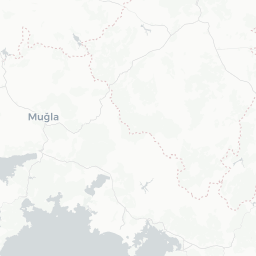
Fethiye sits on Turkey's southwestern Aegean–Mediterranean coast, where the Muğla province meets a deeply indented bay sheltered by pine-covered hills. The city of roughly 60,000 residents functions as a working market town as well as one of the country's most visited coastal destinations, a combination that gives it a more grounded character than purpose-built resorts nearby.
The harbour is flanked by rock-cut Lycian tombs dating to the 4th century BCE, a daily reminder that the area has been inhabited for millennia — first as ancient Telmessos, later absorbed into successive empires. A destructive earthquake in 1957 levelled much of the old city, which is why the centre today is largely modern, though archaeological and historical traces remain throughout the district.
Fethiye serves as the main departure point for the celebrated 'Blue Voyage' gulet cruises along the Turquoise Coast, and for overland access to Ölüdeniz, Butterfly Valley, Kayaköy, and sections of the Lycian Way long-distance hiking trail. Visitors range from families on beach holidays to experienced trekkers and sailors.
Before You Go
Visas
Entry requirements for Turkey vary significantly by nationality, and rules can change. Check TravelerPulse's Visas section for a current overview, then confirm your specific situation with Turkey's official immigration authority before booking.
Health
No mandatory vaccinations are required for most travellers, but routine immunisations should be up to date. Tap water in Fethiye is generally considered safe for locals but many visitors prefer bottled water — verify current guidance locally. Pharmacies (eczane) are common and well-stocked for minor ailments.
Money
ATMs are plentiful in the town centre and around the harbour. Currency exchange offices (döviz bürosu) are available and sometimes offer competitive rates; compare before exchanging. Many tourist-facing businesses accept major credit cards, but smaller restaurants, market stalls, and minibuses typically prefer cash.
What to Pack
- Reef-safe sunscreen — UV intensity is high from May through September
- Sturdy walking shoes or trail footwear if you plan to hike the Lycian Way
- A light layer for evenings, especially in spring and autumn
- Modest clothing for visits to mosques and traditional market areas
Getting There
By Air
The nearest major airport is Dalaman Airport (DLM), located approximately 45–50 km east of Fethiye. It handles international and domestic flights, with connections to Istanbul and several European cities. Transfer time to Fethiye is roughly 45–60 minutes by road, depending on traffic. Shuttle buses, private transfers, and taxis connect the airport to the city; verify current operators and fares on arrival or through your accommodation.
By Bus
Fethiye's otogar (bus terminal) is served by intercity coaches from Istanbul, Ankara, Izmir, Antalya, and other major Turkish cities. Long-distance overnight services are available from Istanbul; journey times are lengthy but coaches are generally comfortable. The terminal is located a short distance from the town centre — local minibuses (dolmuş) connect it to the harbour area.
By Road
Fethiye is accessible via the D400 coastal highway. Driving from Dalaman takes under an hour; from Antalya, allow roughly 2.5–3 hours depending on route and conditions. Car hire is available at Dalaman Airport and in Fethiye itself.
Getting Around
Within Fethiye
The town centre, harbour, and bazaar district are compact and walkable. The main promenade along the waterfront is easily covered on foot.
Dolmuş (Shared Minibuses)
Dolmuş routes connect Fethiye to Ölüdeniz, Kayaköy, Hisarönü, Ovacık, and other nearby villages and beaches. They are frequent during the summer season, inexpensive, and the primary way most visitors reach Ölüdeniz. Departure points are near the town centre; verify current routes and stops locally as schedules vary by season.
Taxis
Taxis are metered and available throughout the town. Agree on the fare for longer out-of-town trips before departing, or confirm the meter is running.
Boat Services
Regular boat trips depart the harbour for the 12 Islands tour and other coastal destinations. Water taxis also operate to some beaches. Services are seasonal — confirm schedules at the harbour or through local agencies.
Car and Scooter Hire
Renting a vehicle gives flexibility to reach inland sites like Kayaköy and Saklıkent Gorge. Several hire agencies operate in the town centre. A standard driving licence is generally accepted; verify requirements with the hire company.
Things to See & Do
Ölüdeniz and the Blue Lagoon
The sheltered lagoon at Ölüdeniz, roughly 15 km from Fethiye, is one of Turkey's most photographed coastal scenes. The lagoon itself is protected, with access managed to limit environmental impact; a fee may apply to enter the beach park area — verify the current arrangement locally. The beach outside the lagoon is public. Ölüdeniz is also the world's most popular tandem paragliding site, with flights launching from Babadağ mountain (approximately 1,960 m); operators are based at the beach.
The Lycian Way
Fethiye marks one end of the Lycian Way, a waymarked long-distance footpath running approximately 540 km along the coast to Antalya. Day-walk sections around Kayaköy, Ölüdeniz, and Butterfly Valley are accessible without a full thru-hike commitment. Carry sufficient water, wear sun protection, and inform someone of your plans on longer walks.
Kayaköy (Ghost Village)
About 8 km from Fethiye, Kayaköy is a largely intact but abandoned Greek Orthodox settlement, deserted following the 1923 population exchange between Greece and Turkey. Stone houses, two churches, and chapels remain standing in varying states. It is a UNESCO-listed site of memory and a quietly affecting place to walk through. Verify current admission details and opening hours locally.
Lycian Rock Tombs
The monumental 4th-century BCE tomb of Amyntas and smaller tombs carved directly into the cliff face above the town centre are visible from much of Fethiye. A path leads up to the site; an entry fee applies — confirm current charges at the ticket office.
12 Islands Boat Tour
Day-long gulet trips around the islands and coves of Fethiye Bay depart the harbour most mornings during the season. These typically include swimming stops, lunch on board, and visits to locations such as Yassıcalar islands and Tersane Island. Prices and itineraries vary between operators; compare several before booking.
Saklıkent Gorge
Located around 50 km from Fethiye, Saklıkent is one of Turkey's longest and deepest canyons. Visitors wade through cold mountain water into the gorge; the experience is accessible to most adults but involves uneven, slippery terrain. An entry fee applies — verify locally.
Butterfly Valley
Reachable by boat from Ölüdeniz, Butterfly Valley is a steep-sided canyon opening onto a secluded beach. Named for the tiger butterfly species found there in season, it remains accessible only by sea or via a challenging cliff path. Camping is possible; verify current facilities and boat schedules at Ölüdeniz beach.
Food & Drink
What to Eat
Fethiye's cuisine reflects the broader Aegean and Mediterranean Turkish tradition, with an emphasis on fresh seafood, olive oil–dressed vegetables, and grilled meats. Fish and seafood restaurants line the harbour and the streets of the old bazaar area. Look for:
- Izgara balık (grilled fish): sea bass (levrek) and sea bream (çipura) are common; order by weight and check the price per kilogram before ordering
- Mezze: small cold and hot dishes — cacık (yogurt and cucumber), sigara böreği (fried pastry), patlıcan salatası (aubergine salad) — typically ordered to share
- Pide and gözleme: flatbread dishes available at casual lokanta restaurants and market stalls
- Fresh produce: the Tuesday and Friday markets (pazar) in Fethiye sell excellent local fruit, vegetables, herbs, and cheeses
Where to Eat
The harbour-front strip caters primarily to tourists and prices reflect that. The streets behind the bazaar and around the old market tend to offer more straightforward Turkish cooking at lower prices. Several fish restaurants cluster near the fish market (balık pazarı); buying fish directly and having it prepared in the adjacent restaurants is a local custom worth trying.
Drinks
Tea (çay) is the universal social drink and available almost everywhere. Turkish coffee is offered at most cafés. Ayran (cold salted yogurt drink) accompanies many meals. Alcohol is widely available in tourist-facing restaurants and bars; the Hisarönü–Ovacık strip is the main nightlife hub for those seeking a livelier atmosphere.
Shopping
Fethiye's covered bazaar (çarşı) and surrounding streets form a genuine working market rather than a purely tourist showcase, selling spices, textiles, leather goods, jewellery, and local produce. The Tuesday market is the main weekly farmers' market and draws both locals and visitors.
Common purchases include Turkish cotton towels (peshtemal), hand-painted ceramics, lokum (Turkish delight), dried herbs and spices, and leather sandals. Haggling is expected at bazaar stalls but not in fixed-price shops — read the context before negotiating.
The harbour area has shops oriented toward yachting and sailing supplies, reflecting Fethiye's long role as a gulet-building and charter centre. Fethiye retains a small number of traditional boatbuilders.
Practical Information
Emergency Numbers
Verify current Turkish emergency numbers locally on arrival. As a general reference, Turkey maintains national emergency lines for police, ambulance, and fire services — confirm these through official Turkish government sources before travel.
Connectivity
Free Wi-Fi is widely available in hotels, cafés, and restaurants. A Turkish SIM card purchased at Dalaman Airport or in Fethiye typically provides better value for mobile data than roaming, depending on your home provider — verify compatibility and current plans.
Electricity
Turkey uses Type F (Schuko) plugs at 230V / 50Hz. Travellers from the US, UK, and some other countries will need an adaptor.
Medical Facilities
Fethiye has a public hospital (devlet hastanesi) and private clinics. For serious medical issues, larger facilities in Muğla or Dalaman may be more appropriate. Comprehensive travel insurance including medical evacuation cover is strongly recommended.
Tipping
Tipping is customary in restaurants (roughly 10% is typical where service is not included), for guides, and for boat crew. It is not obligatory but appreciated.
Safety
Fethiye is generally considered a safe destination for tourists, including solo travellers and families. Petty theft — pickpocketing and bag snatching — occurs in crowded markets and on busy beaches; keep valuables secured and be aware of surroundings in the bazaar area.
Water activities carry inherent risks. If paragliding, boat trips, or water sports are on your itinerary, use licensed, insured operators and do not be pressured into waiving safety briefings. Sea conditions in the bay are usually calm, but weather can change; heed local advice before swimming in open water.
Hiking on the Lycian Way in summer heat requires genuine preparation. Start early, carry more water than you think you need, and have a communication plan. Sections around Butterfly Valley involve exposed cliff paths.
Check your government's current travel advisory for Turkey before departure, as the broader regional security picture can change.
Local Culture & Etiquette
Fethiye and its surrounding district sit on deeply layered cultural history — Lycian, Hellenistic, Roman, Byzantine, and Ottoman influences are all present in the landscape and archaeology. The city itself is predominantly Turkish and Muslim; the call to prayer from the central mosque is part of daily life.
Dress modestly when entering mosques — shoulders and knees should be covered, and shoes removed at the entrance. Outside religious sites, casual dress is the norm in the tourist areas, though modesty is appreciated in the traditional market district and in inland villages.
The legacy of the 1923 Lausanne population exchange is quietly visible in places like Kayaköy and in the mixed heritage of some older families in the region. This history is approached with varying degrees of openness; engage with sensitivity if the topic arises in conversation.