Translate
Overview
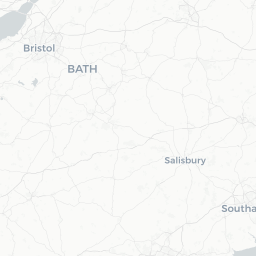
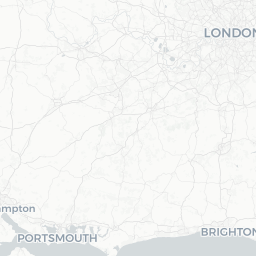
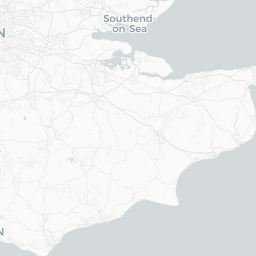
Bournemouth sits on Dorset's coastline roughly 100 miles south-west of London, straddling the border with the ceremonial county of Dorset. With a resident population of around 164,000, it is one of the largest urban centres on England's south coast, yet its identity remains tightly bound to its beaches — a continuous arc of fine golden sand stretching from Hengistbury Head in the east to Sandbanks in the west.
The town grew rapidly as a Victorian seaside resort and retains considerable architectural character from that era, including its ornate pier, pleasure gardens, and a scattering of grand hotels along the clifftops. Today it sits alongside Poole and Christchurch in a conurbation served by the same local authority, making all three towns practical to explore together.
Bournemouth attracts a wide range of visitors: families seeking safe, shallow waters; surfers drawn to consistent swells near the pier; language students attending its many English-language schools; and weekenders from London looking for a quick coastal break. The town also has a notable arts and live-music scene that extends well beyond the summer season.
Before You Go
Visas
Bournemouth is in the United Kingdom, which has its own immigration rules separate from the European Union. Entry requirements vary significantly depending on your nationality and purpose of visit. Check TravelerPulse's Visas section and the UK Visas and Immigration service (UKVI) at the official UK government website for current, accurate requirements before you travel.
Weather
The south coast enjoys one of England's milder, sunnier climates, but changeable conditions are always possible. July and August are the warmest months (average highs around 21–23 °C), and the beach is genuinely usable from late May through early September. Outside these months expect cooler temperatures and more rain, though the town remains open and lively year-round.
What to Pack
- A light waterproof jacket even in summer — sea breezes and afternoon showers are common
- Sun cream; the UV index can be surprisingly high on clear days
- Walking shoes suitable for cliff paths and the town's steep chines (wooded ravines)
- A plug adapter if you are arriving from outside the UK (Type G, three-pin)
Practical Pre-Trip Checks
- Confirm travel insurance covers medical care in the UK if you are not a UK/EEA resident with reciprocal health coverage
- Download offline maps — mobile signal can drop along some coastal paths
- Check local event calendars; Bournemouth hosts a major air festival in late August that fills accommodation months in advance
Getting There
By Air
Bournemouth Airport (BOH) is located roughly eight miles north of the town centre and handles a range of domestic and European routes, primarily on low-cost carriers. It is a small airport, so connections are limited; travellers coming from further afield often fly into London Heathrow, Gatwick, or Southampton and continue by rail or road. Verify current routes and schedules directly with airlines or the airport, as services change seasonally.
By Train
Bournemouth railway station is on the South Western Main Line, with direct services to London Waterloo (journey time roughly 1 hour 45 minutes to 2 hours depending on the service) and connections westward toward Weymouth and eastward toward Southampton and London. Trains run frequently throughout the day. Book via National Rail or a licensed ticket retailer; advance tickets are typically cheaper than walk-up fares.
By Coach
National Express and other coach operators run services to Bournemouth from London and several other cities. Journey times are longer than rail but fares are often lower. The main coach drop-off is centrally located near the town centre.
By Road
Bournemouth is accessible via the A338 spur off the A31/M27 corridor. The M3 and A33 connect London to Southampton, from where the A35 continues west. Parking in the town centre and at the seafront is available but can be very congested in peak summer; consider arriving early or using park-and-ride options where available. Verify current parking charges locally.
Getting Around
The town centre and most seafront attractions are walkable from one another, though the cliff geography means some routes involve steps or sloped paths. The famous cliff lifts (funicular railways) connect the clifftop promenade to the beach and are a convenient — and enjoyable — way to descend. Confirm their operating hours and charges on arrival.
Yellow Buses and morebus operate local bus services throughout Bournemouth and into neighbouring Poole and Christchurch. Services are frequent on main corridors. A range of ticket types are available; verify current fares with the operators directly.
Taxis and ride-hailing apps (including Uber) operate in the area. Cycling is feasible along the seafront promenade and on dedicated paths, and bike hire is available seasonally near the beach — look for hire stands or verify availability with the local tourism office. The town's hilly interior can make cycling more challenging off the flat coastal routes.
Things to See & Do
The Beach and Seafront
Bournemouth's beaches are the main draw. The sand is clean and generally well-managed, and the sea is calmer and shallower than many UK coastal spots. The beach is divided into numbered bays with lifeguard patrols during summer — check RNLI information boards for the current patrolled hours and safe swimming zones. The pier, which dates to 1880, hosts amusements and activities at its far end; a charge applies to walk to the pier head (verify locally).
Chines and Gardens
Bournemouth's chines — steep, wooded valleys cutting down the cliffs to the beach — are a distinctive natural feature. Alum Chine and Durley Chine are easy to walk through and lead directly to the beach. Bournemouth Gardens, a long public park following the Bourne stream through the centre of town, offers a pleasant green corridor away from the seafront bustle.
Russell-Cotes Art Gallery and Museum
This ornate cliff-side villa, bequeathed to the town by arts patron Sir Merton Russell-Cotes, houses a varied collection of Victorian art, Japanese decorative pieces, and theatrical memorabilia. It is one of the more distinctive small museums on England's south coast. Check opening times and admission details on the official Russell-Cotes website before visiting.
Watersports and Outdoor Activities
- Surfing and bodyboarding near the pier (hire and lessons available seasonally)
- Stand-up paddleboarding along sheltered sections of the bay
- Land yachting and beach volleyball on designated stretches
- Coastal walking east toward Hengistbury Head or west toward Sandbanks and the Purbeck Hills
Arts and Nightlife
Bournemouth Pavilion and the BIC (Bournemouth International Centre) host concerts, comedy, exhibitions, and conferences year-round. The town has a busy bar and club scene centred on the Triangle area, and a growing number of independent venues for live music.
Food & Drink
Bournemouth's food scene has diversified considerably in recent years. The town centre and the Westbourne neighbourhood both have concentrations of independent cafés, restaurants, and bars alongside the expected chain outlets. Seafood is a natural choice on the south coast — fish and chips from a seafront takeaway is an uncontroversial local ritual, and several restaurants focus on locally caught fish, though always ask about sourcing.
Westbourne, a short bus or cab ride west of the town centre, is generally considered the most interesting area for independent dining and speciality coffee. The Triangle, closer to the centre, leans toward bars and late-night eating. The Old Christchurch Road corridor has a mix of cuisines at various price points.
For self-catering or picnic supplies, there are large supermarkets within easy reach of the centre, and a small number of farmers' markets and food stalls appear in the gardens during warmer months — verify current schedules locally. Tap water in the UK is safe to drink.
Shopping
Bournemouth's main retail area runs along Old Christchurch Road and through the central Castlepoint and Sovereign Centre shopping precincts, offering a standard mix of UK high-street brands. The Westbourne suburb has a more curated selection of independent boutiques, vintage clothing shops, and design-led home goods stores, and is worth visiting if you prefer shopping away from chain retailers.
Hengistbury Head and nearby Christchurch have small gift shops and craft outlets suited to picking up locally made souvenirs. For antiques and vintage, Christchurch and Poole both have more established dealers than Bournemouth town centre itself.
Practical Information
Emergency Services
In a genuine emergency in the UK, dial 999 for police, fire, or ambulance. For non-emergency police matters, dial 101. For non-emergency medical advice, call NHS 111.
Healthcare
The UK's National Health Service (NHS) provides treatment at hospital Accident and Emergency (A&E) departments regardless of nationality in life-threatening situations. Non-urgent care options and whether you are entitled to free NHS treatment depend on your nationality and visa status. Check your eligibility and ensure you have appropriate travel insurance.
Money
Bournemouth is a cashless-friendly town; contactless card payment is accepted widely. ATMs are readily available in the town centre. Avoid dynamic currency conversion at ATMs or card machines — pay in GBP.
Connectivity
Free public Wi-Fi is available in many cafés, hotels, and some public spaces. UK mobile networks provide good 4G coverage across most of the town; coverage can thin along some clifftop paths.
Tipping
Tipping is common in restaurants (typically 10–12.5% if not already included as a service charge) but not obligatory. Check your bill — many establishments add a discretionary service charge automatically.
Safety
Bournemouth is generally a safe destination for visitors. As with any seaside town that attracts large summer crowds, normal precautions apply: keep an eye on belongings on crowded beaches, be aware of your surroundings in the town centre late at night, and avoid leaving valuables visible in parked cars.
The sea presents the most significant safety consideration. Rip currents and changing tidal conditions can catch swimmers off guard. Always swim in patrolled areas between the red and yellow RNLI flags, follow lifeguard instructions, and avoid entering the water under the influence of alcohol. Check the RNLI's beach safety information and the Bournemouth beach safety boards on arrival.
Cliff paths can be slippery after rain; stay on marked paths and observe any barrier or closure signs, which are there for good reason. Coastal cliffs along this stretch of coast are subject to occasional erosion and falls.
Local Culture & Etiquette
Bournemouth was established as a planned resort in the early nineteenth century and grew quickly through the Victorian era into one of England's premier seaside destinations. Its relative youth compared to many English towns means it lacks a medieval old town, but the Victorian and Edwardian built environment — particularly along the seafront and in the older residential areas — gives it a distinct character.
The town has a large student population drawn by Bournemouth University and Arts University Bournemouth, which contributes to a year-round creative and cultural energy that distinguishes it from a purely seasonal resort. The international English-language school sector also brings a notably diverse community of short-term residents from across Europe and beyond.
The Bournemouth Air Festival, typically held in late August, is one of the UK's largest free air shows and draws very large crowds — a significant point for trip planning. The town also has a long association with literary figures; Robert Louis Stevenson wrote part of Strange Case of Dr Jekyll and Mr Hyde while living in Bournemouth in the 1880s.